
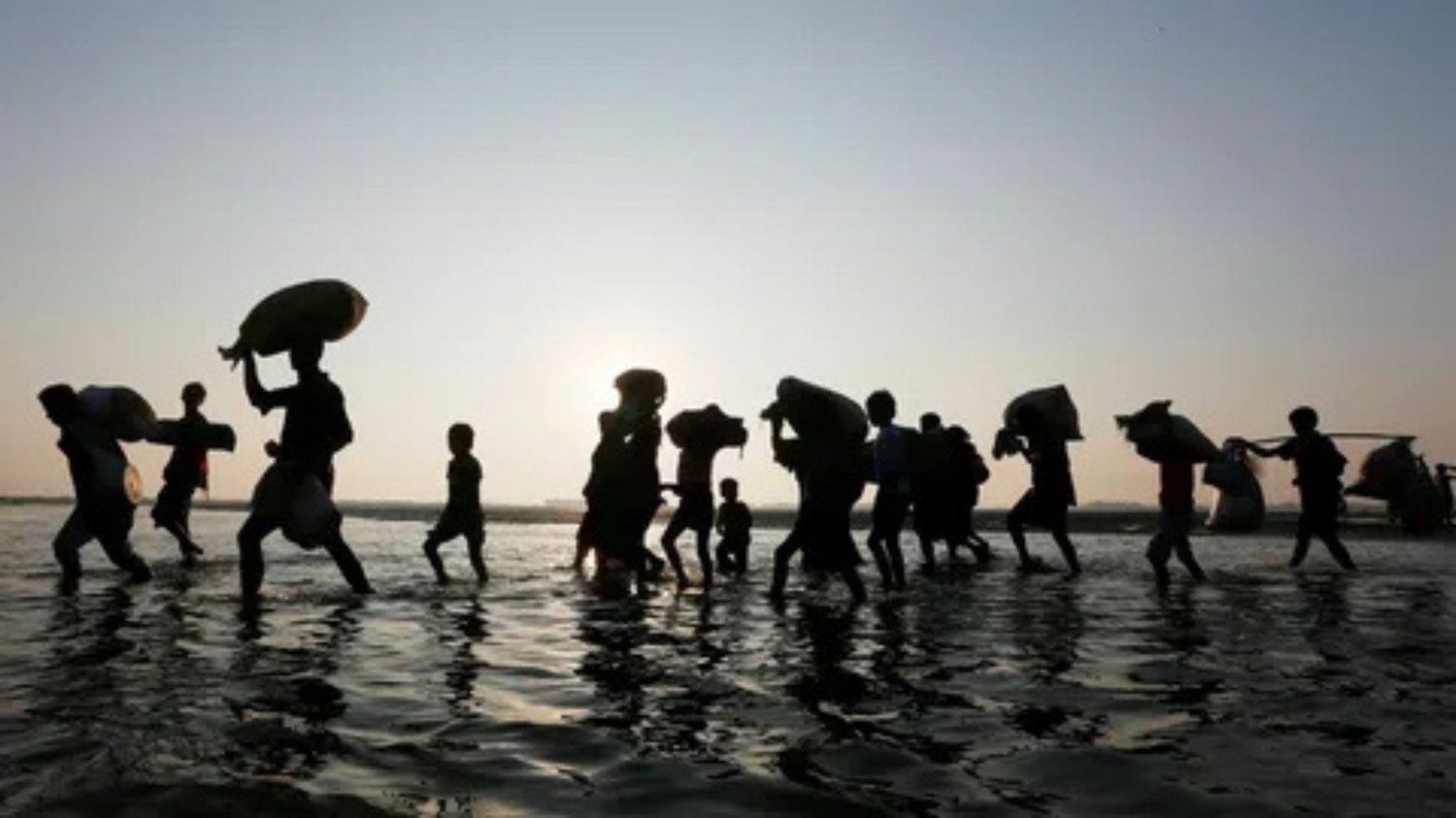
Rising seas, extreme heat, floods, and long dry seasons are forcing millions to leave their homes. Climate refugees and the migration crisis are becoming bigger problems across the world. Families look for safe places to live, children need schools, and towns work hard to welcome new people.
Every move brings hope for a better future, but it also creates new needs for homes, healthcare, jobs, and basic services. As more people move, countries must find fair ways to help both new and local families.
Why Are More People Leaving Their Homes?
Climate change is making life harder in many places. Floods wash away homes, long dry seasons hurt farms, wildfires destroy land, and strong storms leave families with nowhere to stay. Many people can no longer earn a living or find enough food and clean water. Moving becomes the safest choice for many families.
Main reasons people move include:
- Rising sea levels put coastal homes at risk.
- Long dry seasons damage crops.
- Strong storms destroy houses and roads.
- Water becomes harder to find.
- Farming and fishing no longer provide enough income.
These problems push people to look for safer places where they can rebuild their lives.
How Are Communities Changing?
When new families arrive, communities grow and change. Schools welcome more students. Hospitals care for more people. Local shops and businesses serve more customers. New residents also bring different skills, ideas, and traditions.
Communities can benefit in many ways:
- Workers fill jobs in different fields.
- New cultures bring fresh food, music, and traditions.
- Local events become more welcoming.
- Neighbors learn from one another.
At the same time, towns need enough homes, schools, roads, and healthcare services for everyone. Good planning helps new and local families live well together.
How Does Plastic Pollution Affect Health?
Climate change is not the only problem facing the world. Scientists are also studying the impact of microplastics on human health. Microplastics are tiny pieces of plastic found in rivers, oceans, soil, food, and drinking water.
Researchers are still learning how these tiny plastic pieces may affect the human body over many years. Reducing plastic waste, using fewer single-use plastics, and improving recycling can help create cleaner places for everyone.
Can Better Food Choices Help?
Food becomes harder to grow after floods, droughts, and storms. Healthy food choices can help people while also caring for the planet. The planetary health diet guidelines recommend eating more vegetables, fruits, beans, whole grains, and nuts. They also suggest eating smaller amounts of meat and other animal foods. This way of eating helps people stay healthy and uses fewer natural resources.
Growing food in better ways, wasting less food, and protecting farmland can also help families prepare for future climate problems.
What Can Countries and Communities Do?
Working together gives people a better chance to face climate challenges. Governments, local groups, and families all have a part to play.
Helpful actions include:
- Build stronger homes and roads.
- Create more affordable housing.
- Prepare for floods, storms, and heat waves.
- Use more clean energy.
- Protect forests, rivers, and clean water.
- Share ideas and work with other countries.
Small actions today can help prevent bigger problems tomorrow.
Final Thought
Climate-related migration is one of the biggest challenges facing the world today. More families will need safe places as the weather becomes harder to predict. Good planning, clean environments, and fair decisions can help communities grow stronger together.
Every positive action, big or small, helps create a safer and healthier future for people around the world.