
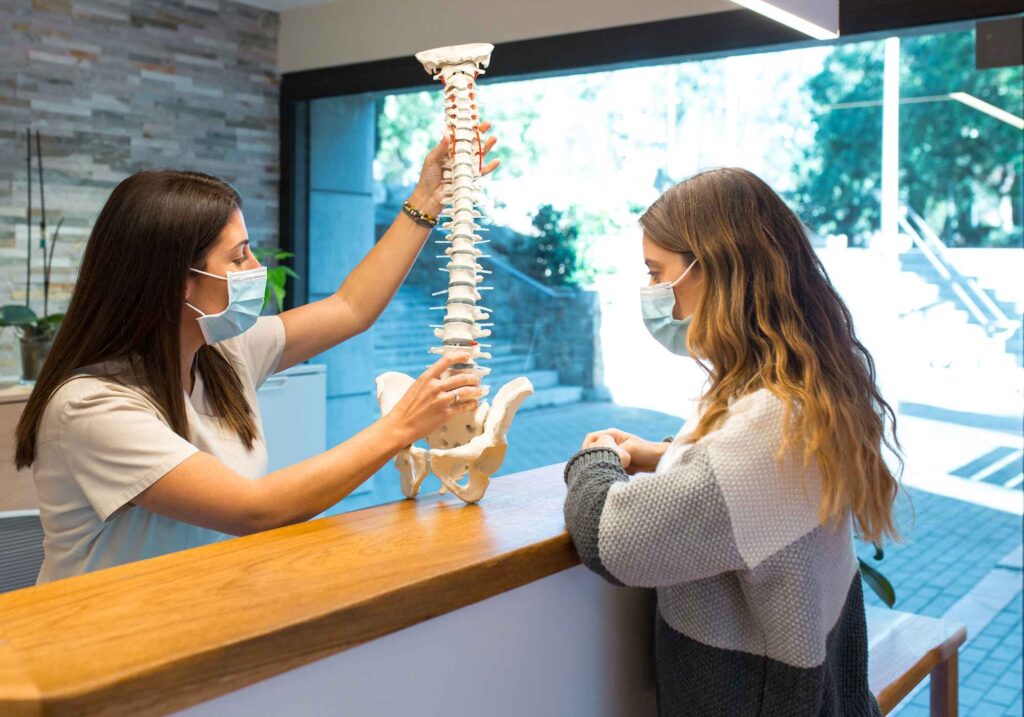
Living with pain for weeks or months can make surgery seem like the only way forward. A person may have tried rest, medication, or home care and still find it hard to work, sleep, walk, or enjoy normal activities. But surgery is not always the first step. Interventional pain management in Irvine CA can provide targeted treatment for some patients by finding the source of pain and addressing it without immediately turning to an operation.
Pain Needs the Right Answer
Pain is not the same for everyone. A person with lower back pain may have an irritated nerve. Another may have a painful spinal joint. Someone else may have pain linked to an old injury or a past procedure. The location of the pain may look similar, but the cause can be very different. That is why simply treating the painful area may not be enough.
A pain management physician looks at the patient's symptoms, health history, physical exam, and imaging when needed. This helps the physician identify where the pain may be coming from and decide which treatment makes sense.
The first goal is to get a clearer picture of the problem. The next step is to choose care based on that information.
Surgery Is Not Always Step One
Surgery can be an important treatment for certain conditions. However, it is not the right answer for every person with ongoing pain.
Some patients may benefit from other treatments first. These may include medication management, physical therapy, targeted injections, nerve blocks, or other pain procedures. This approach gives patients another option to consider before surgery.
It also avoids making a major decision based only on how long the pain has lasted. Chronic pain deserves careful medical attention, but the length of time a person has been hurting does not automatically mean an operation is needed.
Finding Where the Pain Starts
One of the most important parts of pain care is finding the likely source of the problem. Consider someone with back pain that travels into the leg. That pattern may point toward nerve irritation. Another person may have pain that stays around the lower back and becomes worse with certain movements. The cause may be different.
A physician may use an exam and imaging studies to learn more. In some cases, a targeted injection can also help. If placing medicine near a certain nerve or joint reduces the pain, that response can give the physician useful information.
This is one reason interventional pain care is different from simply taking medicine and hoping the pain improves.
The treatment is aimed at a specific area when the medical evaluation shows that a targeted approach may help.
Targeted Treatment Can Make a Difference
Interventional pain treatment includes several types of procedures. The right one depends on the patient's condition.
An epidural steroid injection may be considered for certain types of pain caused by irritation around spinal nerves. Facet joint injections may be used when a spinal joint appears to be causing pain. Nerve blocks can target a specific nerve that may be sending pain signals.
Some patients may also be candidates for radiofrequency ablation. This procedure uses controlled heat to reduce pain signals from selected nerves. It can be considered for certain types of long lasting back or joint pain.
These treatments are not meant for everyone. A physician first needs to decide if the procedure is suitable and explain what it is intended to do.
Relief Can Support Better Movement
Reducing pain is important, but what happens after that matters too. A person may avoid walking because every step hurts. Someone with back pain may stop exercising. Another patient may have trouble sleeping because finding a comfortable position feels impossible.
If treatment reduces pain, the patient may be able to move more easily and take part in other parts of the care plan.
For some people, this may mean participating in physical therapy. For others, it may mean returning to simple daily activities that had become difficult.
Pain treatment should support real life. The goal is not simply to lower a pain score. It is also to help the patient regain some ability to do the things that matter to them.
Medication Has a Role
Medication can help control pain, but it may not solve the entire problem. A pain management physician can review the medications a patient is already taking and look at how well they are working. If side effects are an issue or the current plan is not providing enough relief, the treatment approach may need to change.
Medication may also be used alongside other treatments. This matters because increasing medication is not always the best answer when pain continues. A more complete plan may look at the cause of the pain and consider other ways to manage it.
Small Changes Can Mean a Lot
Pain relief does not always mean becoming completely pain free.
For someone who has not slept well for months, getting through a full night may feel like a major improvement. A person who has stopped taking walks may be encouraged by being able to walk around the block again. Someone who struggles to sit at work may simply want to get through the day with less discomfort. These everyday goals matter.
A good pain care plan considers what the patient wants to do again. It looks beyond the pain itself and asks how symptoms are affecting work, sleep, movement, and daily routines.
What Patients Can Expect
The process generally starts with an evaluation. The physician reviews the patient's symptoms, health history, previous treatments, and available test results. A physical exam may help identify areas that need more attention. Imaging may also be reviewed when it can provide useful information.
After that, the physician can discuss possible treatment options.
If an injection or another procedure is appropriate, the patient should know why it is being recommended and what it is meant to accomplish. This gives the patient a chance to make an informed decision about care.
That step is especially important when surgery is being considered. Patients should have a clear idea of their available options rather than feeling that they have to make a quick choice.
When Surgery May Still Be Needed
Avoiding unnecessary surgery does not mean avoiding surgery at all costs. Some conditions require an operation. Severe structural problems, serious nerve pressure, or other medical concerns may make surgery the most suitable option.
Pain management can help patients and physicians decide what makes sense before reaching that point. If non-surgical treatment is likely to help, it can be considered. If surgery is necessary, the patient can move forward with a clearer picture of the situation.
The goal is appropriate care, not avoiding one particular treatment.
Care Based on the Patient
Patients searching for interventional pain management in San Francisco CA may have different symptoms, medical histories, and treatment goals. There is no single procedure that works for every type of pain.
A treatment that helps one person may not be suitable for another. That is why patient evaluation comes before treatment.
The right question is not simply, “Which procedure should be done?” A better question is, “What is causing this pain, and what treatment is most appropriate for this patient?”
That change in focus can lead to more thoughtful care.
The Bottom Line
Living with pain does not always mean choosing surgery as the next step. A careful medical evaluation may reveal other options that can help reduce pain and improve movement. Targeted procedures, medication management, rehabilitation, and other forms of care may have a place in the treatment plan, depending on the patient's condition.
Sekiwala Pain Management Center provides physician led pain care focused on finding the source of pain and choosing treatment based on each patient's needs. Its approach gives suitable patients an opportunity to consider targeted pain treatment before moving directly toward surgery.