

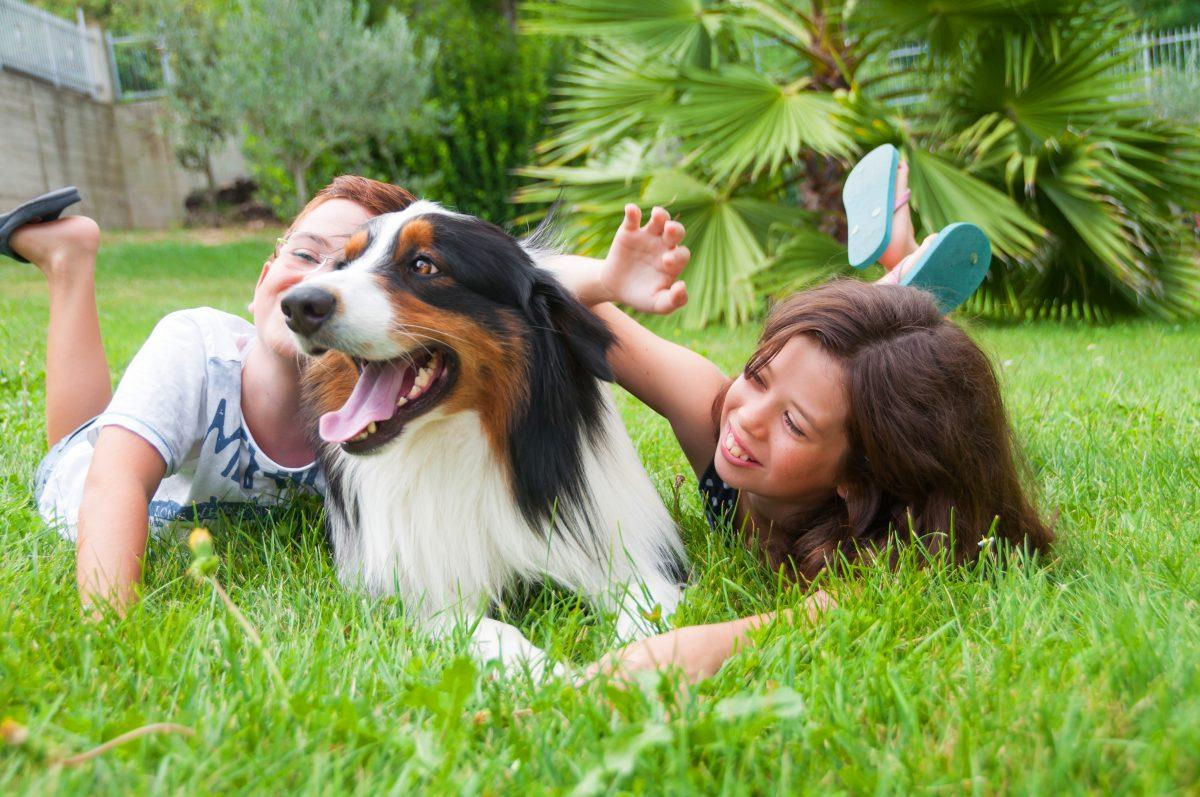
Australian Shepherds are known for their intelligence, loyalty, and endless enthusiasm.
If you're considering bringing one into a family home, you may be wondering: Do Australian Shepherds get along with children?
The short answer is yes. Australian Shepherds can make wonderful family dogs and often develop strong bonds with children. However, like any breed, there are important factors to consider before deciding whether an Australian Shepherd is the right fit for your household.
In this guide, we'll explore how Australian Shepherds typically behave around children, their strengths as family companions, potential challenges, and tips for creating a safe and happy relationship between your dog and your kids.
Are Australian Shepherds Good Family Dogs?
Australian Shepherds are widely regarded as excellent family dogs. Originally bred as hardworking herding dogs, they thrive when they have a job to do and people to spend time with.
Many Australian Shepherd owners describe their dogs as:
- Affectionate
- Loyal
- Protective
- Playful
- Intelligent
- Eager to please
These qualities often make them fantastic companions for active families.
Australian Shepherds usually enjoy being involved in family activities and can become very attached to both adults and children.
They are rarely happy being left out of daily life and generally prefer to be where the action is.
Why Children Often Love Australian Shepherds
One reason Australian Shepherds are popular family pets is their playful nature.
Children often appreciate having a dog that can:
- Join outdoor adventures
- Play fetch for extended periods
- Learn tricks quickly
- Participate in family walks
- Enjoy games in the garden
Unlike some lower-energy breeds, Australian Shepherds are usually enthusiastic participants in almost any family activity.
For active children who enjoy spending time outdoors, an Australian Shepherd can become an ideal companion.
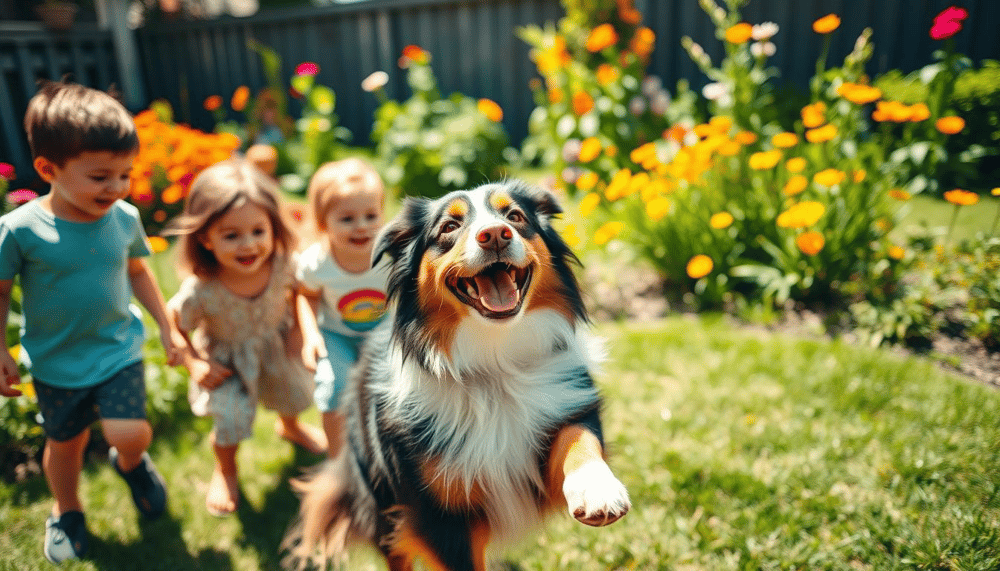
Australian Shepherds Form Strong Bonds
Australian Shepherds are known for creating deep emotional connections with their families.
Many owners report that their Aussie:
- Follows family members from room to room
- Watches over children carefully
- Notices changes in mood
- Offers comfort when someone is upset
- Enjoys close contact and affection
This strong bond often extends to children, especially when the dog is raised alongside them.
The result is often a devoted companion who genuinely enjoys being part of family life.
Are Australian Shepherds Protective of Children?
Australian Shepherds naturally possess protective instincts.
While they are not typically aggressive guard dogs, they are often alert and aware of their surroundings.
Many Australian Shepherds will:
- Watch over children while they play
- Alert owners to unfamiliar visitors
- Stay close to younger family members
- Position themselves between children and perceived threats
This protective nature can provide reassurance for many parents.
However, it's important to remember that protection should never be confused with aggression. Proper training and socialisation help ensure these instincts remain balanced and appropriate.
The Herding Instinct: A Potential Challenge
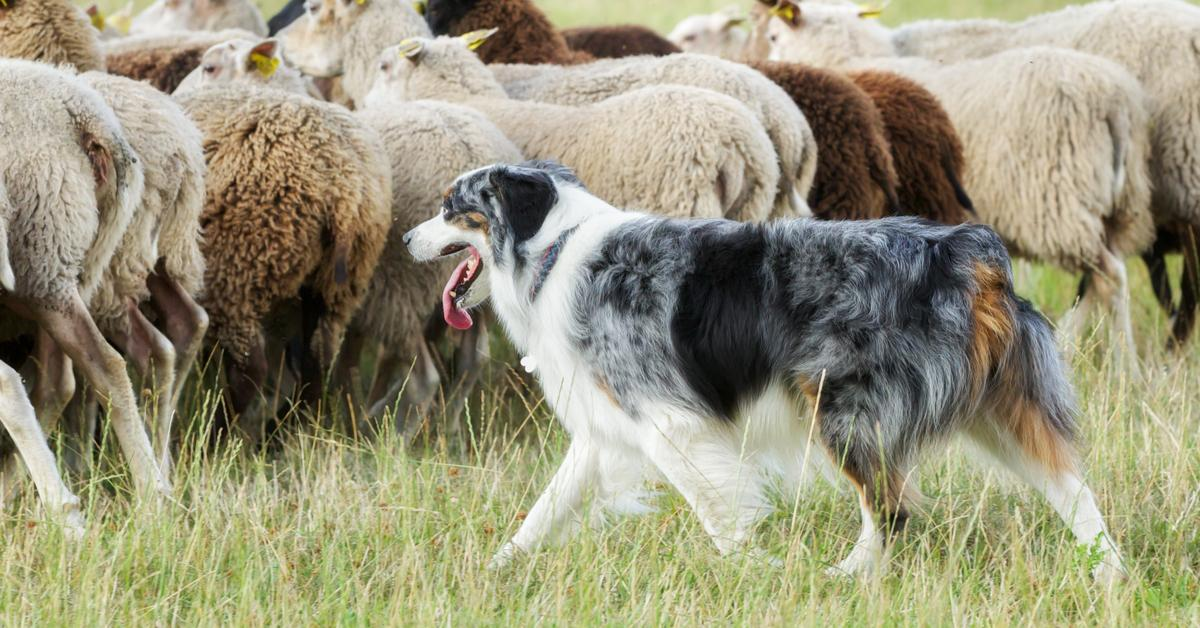
One of the most important things families should understand is the Australian Shepherd's herding background.
Australian Shepherds were bred to move livestock by controlling their movement.
This instinct can sometimes appear in family settings.
Some Australian Shepherds may attempt to:
- Herd running children
- Chase children during games
- Circle family members
- Nip gently at heels
While these behaviours are rarely intended to cause harm, they can be surprising or upsetting for children.
Fortunately, early training usually helps redirect these natural instincts into more appropriate activities.
Mental stimulation, obedience training, and structured play can significantly reduce herding-related behaviours.
Are Australian Shepherds Good With Babies?
Australian Shepherds can coexist successfully with babies, but supervision is essential.
Most Australian Shepherds are gentle and curious around infants. However, their energy levels can sometimes be overwhelming.
A young Australian Shepherd may accidentally:
- Knock over a toddler
- Jump up excitedly
- Become over-stimulated during play
Because of this, interactions between dogs and babies should always be supervised.
Creating safe spaces for both the baby and the dog helps prevent accidents and ensures everyone feels comfortable.
Australian Shepherds and Toddlers
Toddlers present unique challenges for many dogs.
Young children often:
- Move unpredictably
- Make loud noises
- Pull fur or ears
- Invade a dog's personal space
Australian Shepherds generally tolerate family life well, but no dog should be expected to endure rough handling.
Teaching toddlers how to behave around dogs is just as important as training the dog itself.
Children should learn to:
- Pet gently
- Respect resting dogs
- Avoid disturbing dogs while they are eating
- Give dogs space when they choose to walk away
These simple lessons help build trust and prevent misunderstandings.
Australian Shepherds and Older Children
Australian Shepherds often thrive in households with older children.
Older kids are more capable of participating in:
- Training sessions
- Walks
- Agility activities
- Fetch games
- Mental enrichment exercises
Because Australian Shepherds are highly intelligent, they enjoy interacting with children who engage them mentally as well as physically.
Many families find that older children and Australian Shepherds become inseparable companions.
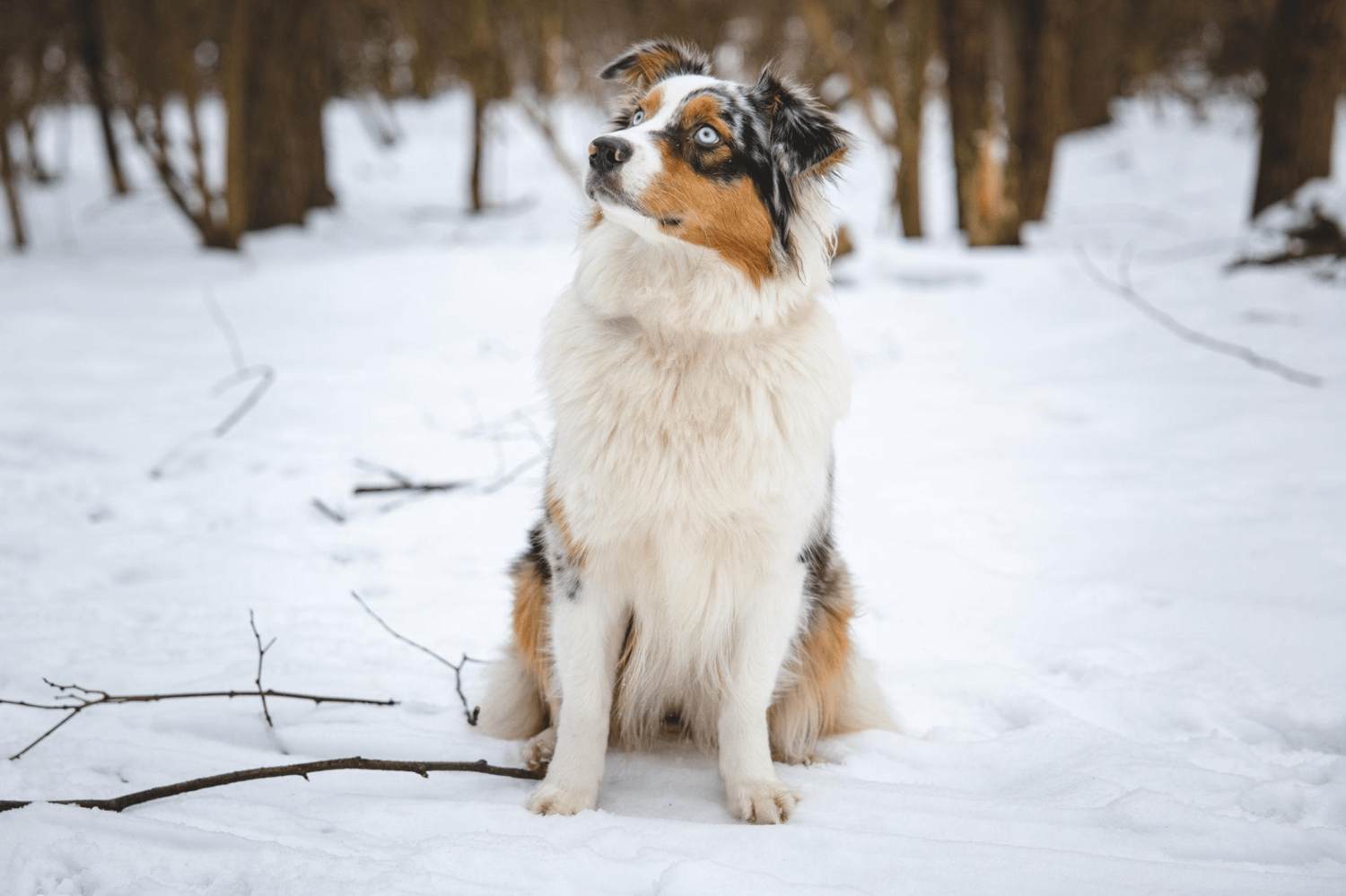
How Much Exercise Do Australian Shepherds Need?
One reason Australian Shepherds succeed in family homes is that active children can help meet their exercise requirements.
However, families should not underestimate the breed's energy levels.
Most Australian Shepherds need:
- Daily walks
- Play sessions
- Training activities
- Mental stimulation
- Opportunities to run and explore
Without sufficient exercise, Australian Shepherds can become bored.
A bored Aussie may develop unwanted behaviours such as:
- Excessive barking
- Chewing
- Digging
- Herding family members
- Hyperactivity
Keeping your Australian Shepherd mentally and physically engaged is one of the best ways to encourage positive behaviour around children.
Teaching Children How to Interact Safely
Even the friendliest dog benefits from clear boundaries.
Teach children to:
Ask Before Approaching
Allow the dog to choose whether it wants interaction.
Avoid Hugging
Many dogs tolerate hugs rather than enjoy them.
Respect Sleeping Dogs
Never disturb a dog while it is resting.
Leave Food Alone
Children should never interfere while a dog is eating.
Watch Body Language
Learn to recognise signs that a dog wants space.
Simple rules like these create safer interactions for everyone.
Early Socialisation Matters
Socialisation plays a major role in determining how well an Australian Shepherd interacts with children.
From puppyhood, expose your dog to:
- Children of different ages
- Various environments
- Different sounds
- New experiences
- Friendly visitors
Positive experiences during the early months help create a confident, well-adjusted adult dog.
A well-socialised Australian Shepherd is far more likely to be relaxed and comfortable around children.
When an Australian Shepherd May Not Be the Best Choice
Although Australian Shepherds can be excellent family dogs, they are not ideal for every household.
You may want to consider another breed if:
- Your family is largely inactive
- You have little time for exercise
- You are frequently away from home
- You prefer a low-maintenance dog
- You do not enjoy training
Australian Shepherds thrive when they have plenty of physical activity and mental challenges.
Families unable to provide these outlets may struggle with the breed's energy and intelligence.
Final Thoughts
So, do Australian Shepherds get along with children?
In most cases, absolutely.
Australian Shepherds are affectionate, intelligent, playful, and deeply devoted to their families. They often form strong bonds with children and can become loyal companions for many years.
However, their herding instincts, energy levels, and need for mental stimulation mean they perform best in active households willing to invest time in training and socialisation.
When properly raised, supervised, and exercised, an Australian Shepherd can be one of the most rewarding family dogs you could ask for.
If your family enjoys outdoor adventures, learning new skills, and spending quality time together, an Australian Shepherd may be the perfect addition to your home.
Want to Learn More?
Discover everything you need to know about raising, training, and caring for this incredible breed with
The Australian Shepherd Blueprint: The Ultimate Guide to Training, Health and Happiness.
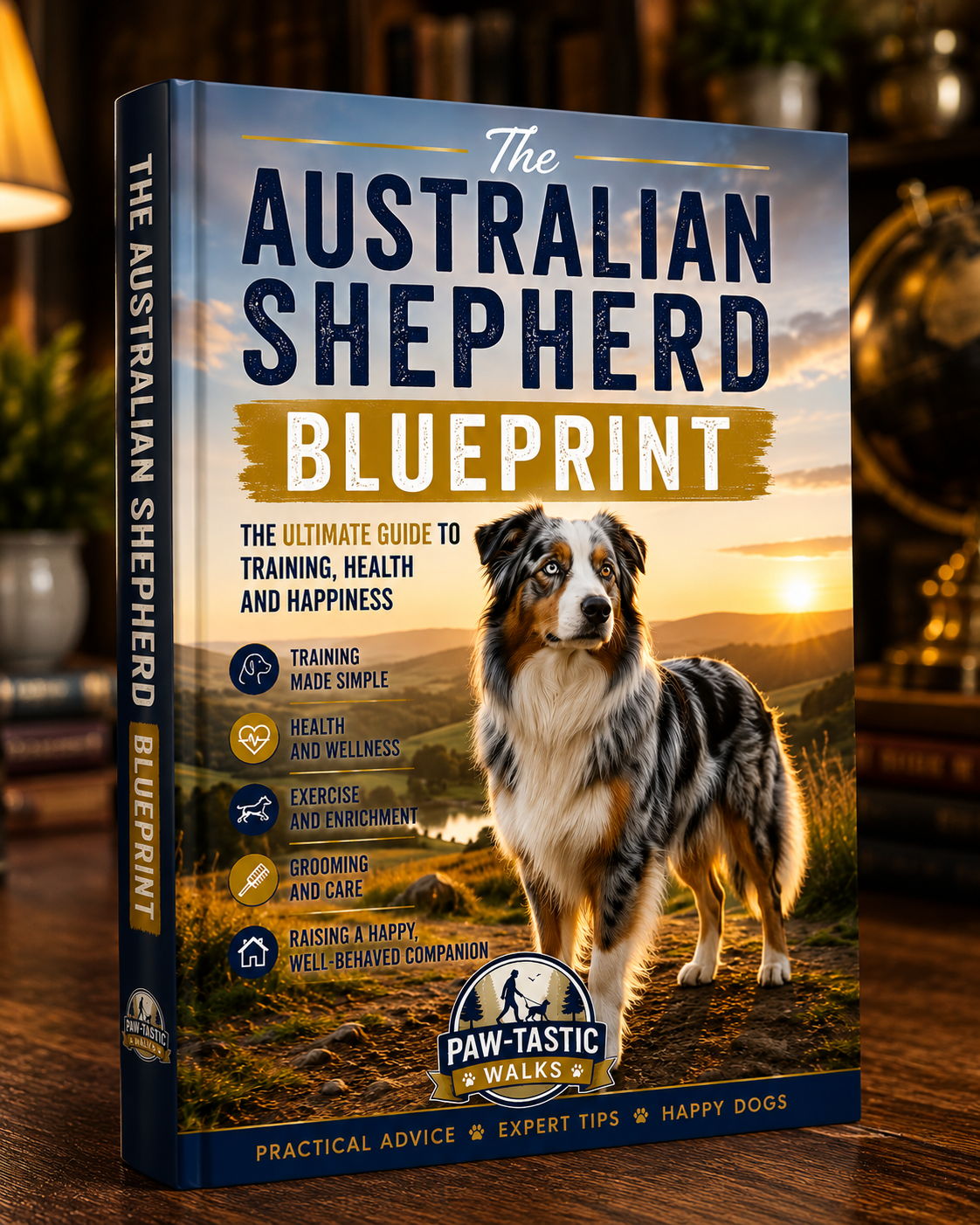
Packed with practical advice, expert tips, and breed-specific guidance, this comprehensive guide contains 70+ pages of high-quality content designed to help Australian Shepherd owners raise happy, healthy, and well-behaved companions.
Comments ()