
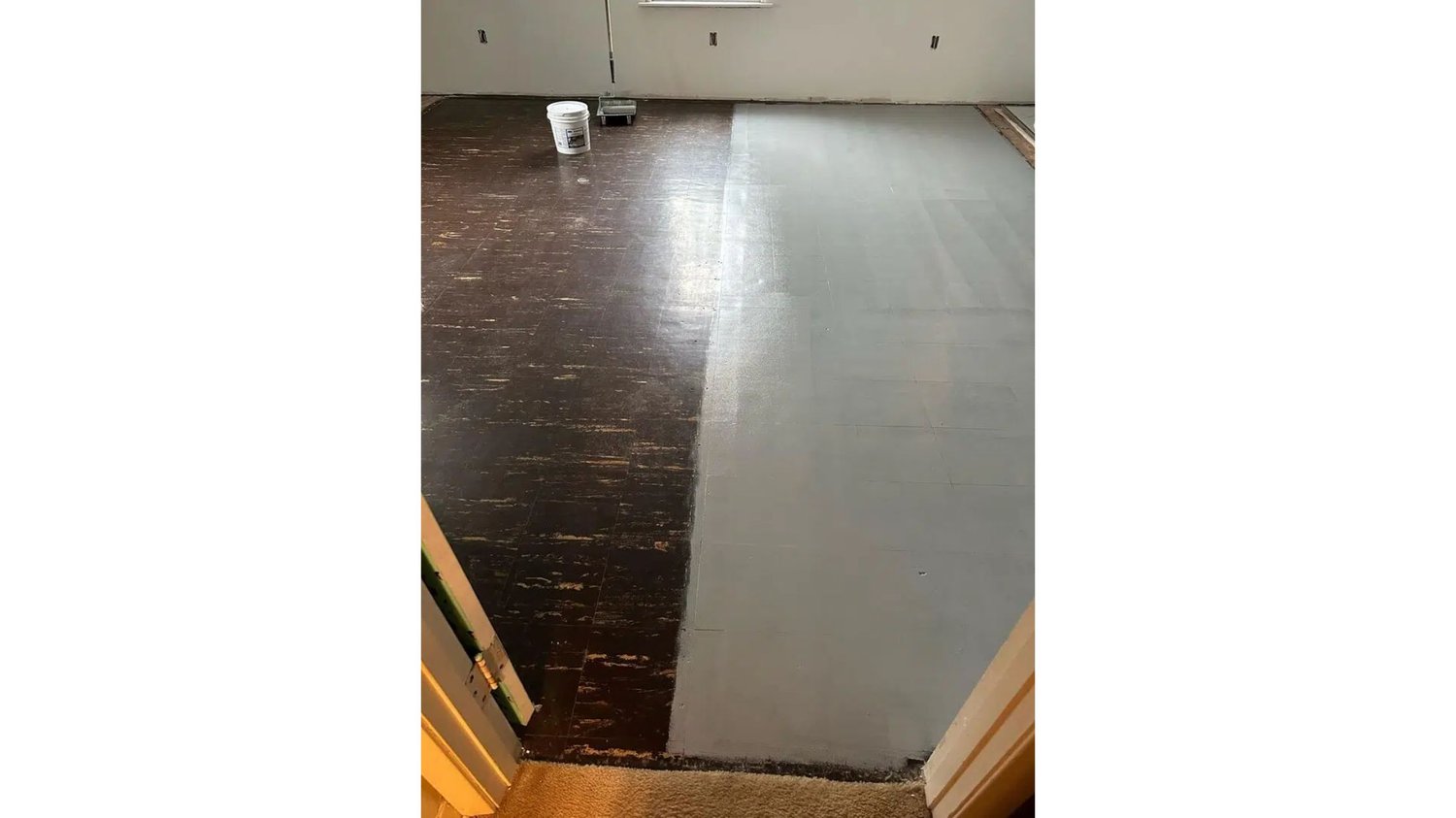
When people fix old floors, they sometimes find sticky glue under the tiles. This glue is called mastic, and in very old buildings, it may contain asbestos, which can be harmful.
To remove this glue, people use a special product called an asbestos mastic remover. It helps soften the glue so it can be taken off more easily. But before using it, it is important to learn if it is safe and how to use it the right way.
What Is Mastic and Why Is It a Concern?
Mastic is a strong glue that was used many years ago to stick tiles and flooring to the ground. It worked well, but the problem is that some old mastic has asbestos in it.
Asbestos becomes dangerous when it breaks into tiny pieces and gets into the air. These tiny pieces are so small that we cannot see them. If people breathe them in, it can make them very sick over time. That is why people must be very careful when working with old mastic.
What Does an Asbestos Mastic Remover Do?
An asbestos mastic remover is a liquid that helps break down the sticky glue. Instead of scraping hard and making dust, the remover softens the mastic so it can be lifted gently.
This makes the job easier and safer because it reduces the chance of harmful dust getting into the air. These removers are often used in homes and buildings where old flooring needs to be replaced.
Is Using a Mastic Remover Safe?
Using a mastic remover can be safe if it is used carefully. But it is still important to follow safety steps.
- Proper Ventilation
Always let fresh air come into the room. Open windows and doors so the air can move around.
- Protective Gear
Wear gloves to protect your hands. Cover your lips and nose with a mask. This helps keep you safe from harmful dust and strong smells.
- Controlled Application
Do not rush. Put the remover on slowly and let it work. Avoid scraping too hard because that can make dust.
Following Instructions
Every remover comes with instructions. Carefully read them and adhere to each step. This makes it easier to utilize the product safely.
Special Case: Black Mastic and Its Risks
Some old floors have a dark glue called black mastic. This glue looks thick and sticky, and it often contains asbestos.
A black mastic remover can help soften this tough glue so it can be removed more easily. But since it may have more asbestos, you need to be extra careful. It is always a good idea to test the material first before working on it.
Best Practices for Safe Mastic Removal
- Test Before You Begin
Before starting any mastic removal, it is best to check if asbestos is present. Experts can test the material and tell you if it is safe.
- Avoid Dry Methods
Do not scrape or sand the glue when it is dry. This can send harmful dust into the air. Always use liquid or wet methods.
- Work in Small Sections
Do not try to clean everything at once. Work on small areas so you can stay in control and be careful.
- Dispose of Waste Properly
After removing the glue, put the waste into strong bags and seal them well. Follow local rules to throw it away safely.
When Should You Call a Professional?
Sometimes it is better to ask for help. If the area is big or if you are not sure what to do, a trained expert can handle it safely.
Professionals know how to remove mastic without spreading harmful dust. They also know how to throw away the waste in a safe way. This can help keep everyone safe.
Final Statement
Working with old floor glue can be tricky, especially if it contains asbestos. Using the right tools and being careful can make the job safer. A good asbestos mastic remover can help soften the glue and reduce risk when used properly.
But it is always important to follow safety steps, wear protective gear, and ask for help when needed. Staying careful and informed is the best way to protect yourself and others.