
A shiny new floor can look great, but what is hiding underneath it? Epoxy floor paint for concrete needs a clean, dry, and strong surface to work properly. If the floor has moisture, oil, dust, cracks, or weak spots, the coating may peel or bubble later.
Before you start painting, take time to check the concrete. These 5 simple signs can help you know if your floor is ready. They can also show you what needs to be fixed before you apply an epoxy coating.
How Do You Know If Concrete Is Ready for Epoxy?
Concrete may look ready, but some problems can be hard to see. Checking the floor first can help prevent coating failure and save time and money. Here are seven signs to look for before applying epoxy.
1. Is the Concrete Old Enough and Fully Cured?
New concrete needs enough time to cure before it can be coated. If epoxy is applied too soon, moisture may become trapped inside the concrete. This can cause the coating to lose its grip.
Always check the instructions provided by the coating manufacturer. The recommended curing time can vary depending on the product and weather conditions. Even old concrete should be checked because moisture can enter from the ground below.
2. Is the Concrete Dry Enough for Coating?
Moisture is one of the biggest problems for floor coatings. Water trapped inside concrete can cause bubbles, peeling, or other coating problems. Check the floor for signs of dampness before starting. If you think moisture could be a problem, use a moisture test recommended by the coating manufacturer.
3. Is the Surface Clean and Free From Oil?
Epoxy needs a clean surface to stick properly. Dirt, oil, grease, wax, and other materials can create a barrier between the concrete and coating. This is especially important in garages, workshops, and work areas where oil may have been spilled.
Clean the floor carefully before coating. Even a thin layer of grease can cause trouble later.
4. Is the Concrete Strong and Free From Dust?
Run your hand over the concrete and look closely at its condition. If the surface creates a lot of dust or powder when touched, it may be weak. Loose concrete can prevent the coating from bonding properly. Weak areas may need cleaning, mechanical preparation, or repair before painting.
The surface should be firm enough to support the coating.
5. Does the Floor Need a Primer Before Epoxy?
Primer can help a coating bond better and create a more even surface. However, not every primer works with every epoxy product. Before applying a primer or paint, check whether the products are designed to work together.
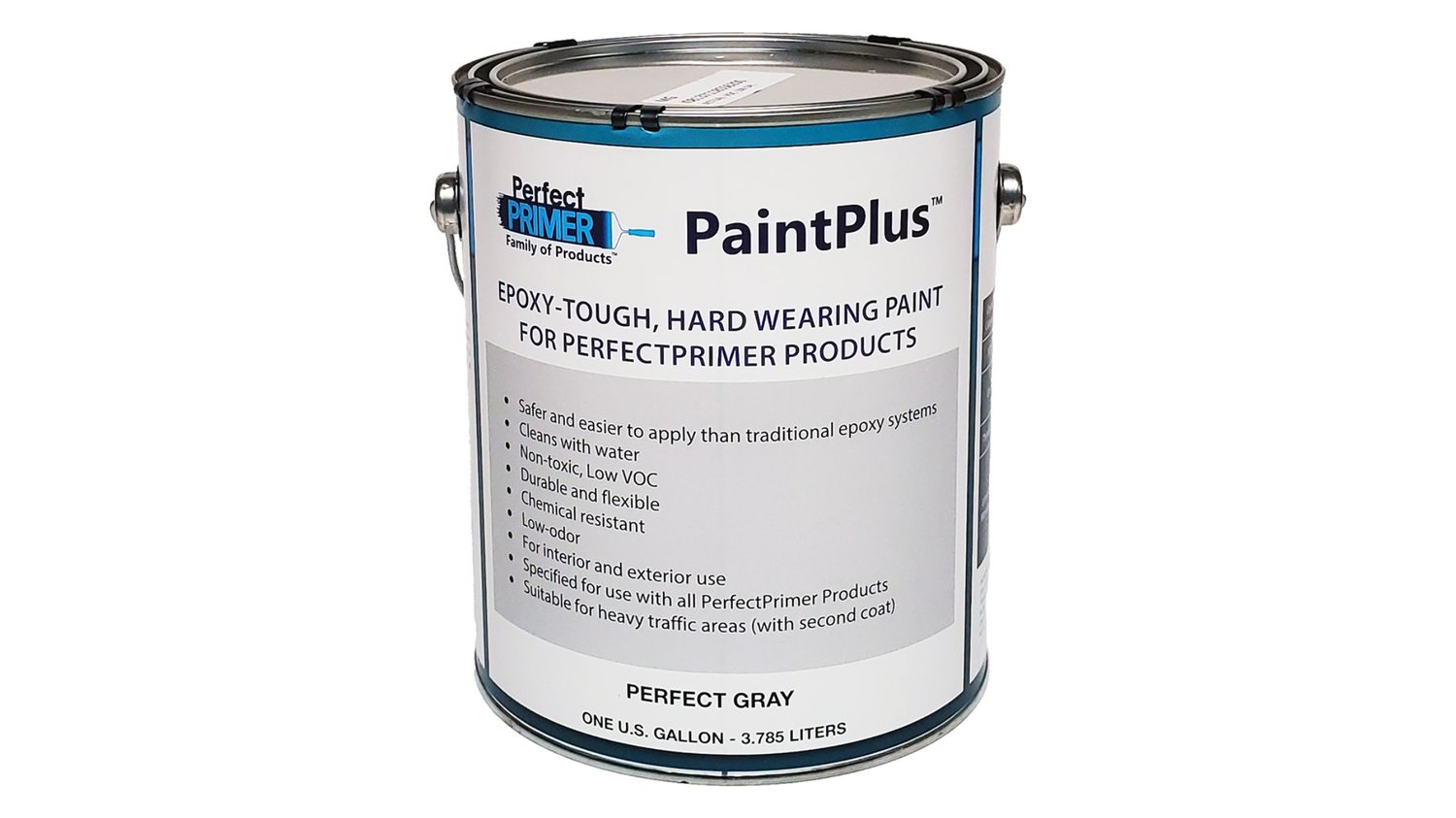
For example, PaintPlus can be considered for suitable concrete painting projects when its application requirements match the condition of the floor. Always read the manufacturer's instructions before use. Check the required surface preparation, drying time, coverage, and compatibility.
Can You Use Epoxy Paint and Primer Together?
Yes, but the products need to be compatible. A primer should not be selected simply because it says it works on concrete. Check the manufacturer's instructions for surface preparation, mixing, coverage, drying time, and compatibility. Using products designed to work together can make the coating process easier and help reduce problems later.
Do You Need an Uncoupling Membrane for Tile Instead?
An uncoupling membrane for tile is used for a different type of flooring project. It is installed below tile to help manage movement and stress between the tile and concrete surface.
For suitable tile installations, PerfectMembrane® Uncoupling/Decoupling Membrane is an example of a membrane system designed for this purpose. It can be considered when the flooring design and manufacturer's instructions call for an uncoupling or decoupling layer.
A decoupling membrane is not a replacement for a primer used with an epoxy floor coating. The two products serve different purposes.
The right choice depends on the type of floor you want to install. Epoxy and tile have different preparation and installation needs.
What Should You Do Before Painting Concrete With Epoxy?
Before you begin, give the floor one final check.
- Test for moisture.
- Remove oil, grease, dirt, and dust.
- Check for weak or loose concrete.
- Repair suitable cracks and damaged areas.
- Check old coatings and adhesives.
- Follow the coating manufacturer's instructions.
Good preparation may take extra time, but it can help prevent bigger problems later.
Is Your Concrete Ready for Epoxy Floor Paint?
If your concrete is dry, clean, strong, and properly prepared, it may be ready for epoxy paint and primer. Do not rely only on how the floor looks. Hidden moisture, weak concrete, grease, cracks, and old adhesives can cause coating failure.
For painting projects, PaintPlus may be an option when its product requirements match the surface and project. For tile installations, PerfectMembrane® Uncoupling/Decoupling Membrane can be considered when an uncoupling layer is needed. Good preparation and product compatibility can help your finished floor look better and last longer.