
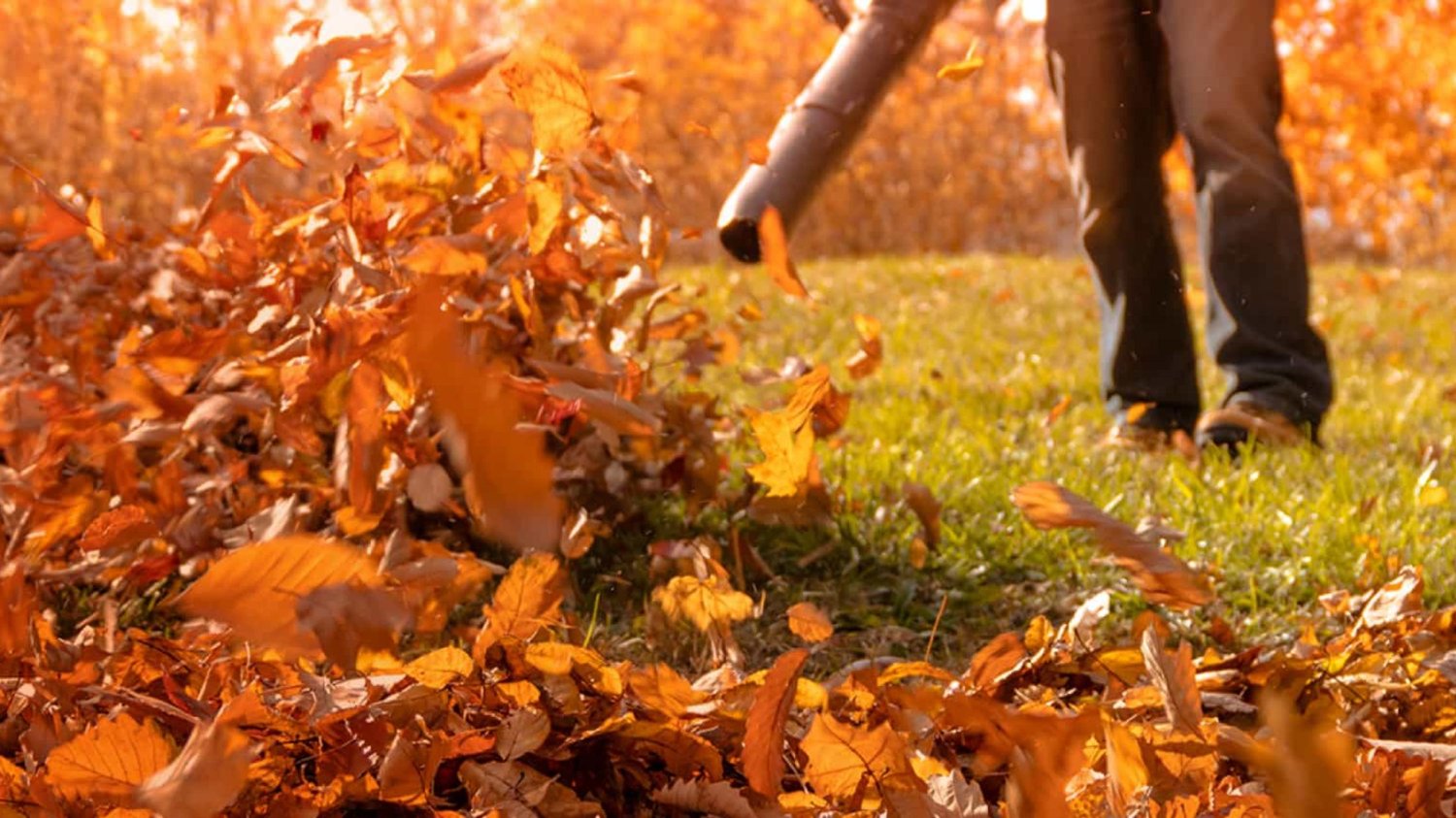
Every October, the same conversation happens at properties across the Pacific Northwest. The leaves are starting to come down, the maintenance schedule is already full, and someone is about to make the call to push the yard cleanup to next month. Next month, it turns out, is November. And November in western Washington means the leaves are wet, heavy, compacted against the turf, and significantly more expensive to deal with than they were three weeks earlier. Professional fall cleanup services exist to solve exactly this problem, and the properties that schedule them early tend to enter winter in noticeably better shape than those that manage the timing optimistically.
What Actually Happens to Turf Under a Leaf Mat
Here is the part most property managers do not think about until they see it in spring. A single layer of freshly fallen leaves is not a serious threat to turf. A compressed mat of wet leaves that has been sitting on grass through three weeks of November rain is a different situation entirely.
Wet leaf mats block sunlight and trap moisture against the turf surface simultaneously. The combination creates ideal conditions for fungal disease, particularly gray snow mold and Pythium blight, both of which are active concerns in the Puget Sound region's mild, moist fall climate. The disease does not always manifest visibly until the following spring when the lawn comes out of dormancy with dead patches in exactly the shapes the leaf accumulation took.
Turf that goes into winter dormancy under a heavy organic layer also comes out of spring slower. The soil temperature beneath a thick mulch of decomposing leaves stays depressed longer into March and April, delaying green-up and creating the conditions where moss and weed species establish in the gaps before the grass does. It is a quiet kind of damage, which is most of the reason it keeps happening.
Timing Is the Whole Game
The optimal window for fall cleanup services in the Snohomish County area runs from mid-October through mid-November for most properties. That window accounts for the typical leaf drop schedule of the species common to western Washington, including big-leaf maple, which drops dramatically and quickly, and deciduous ornamentals that tend to shed more gradually through late October.
Properties with a single dominant tree species can often manage with one well-timed cleanup visit. Properties with a mix of species that drop at different rates, or with significant tree canopy from neighboring parcels, typically need two visits to avoid the compressed-leaf-mat problem. The first visit catches the bulk of early drop. The second clears the stragglers before the main winter rain cycle locks everything down.
What does not work well is waiting for all the leaves to fall before scheduling cleanup. By that point in a western Washington autumn, the leaves that fell first are already wet and matted. The job is bigger, takes longer, and costs more than two timely visits would have. The math on early scheduling is not subtle.
What a Complete Fall Yard Cleanup Actually Covers
Comprehensive fall yard cleanup services go beyond blowing leaves to the curb. A full-service fall cleanup covers turf areas, planting beds, groundcover zones, drainage outlets, and any gutter guards or catch basin grates accessible at grade. Each of these zones collects organic material that creates problems if left in place through winter.
Planting beds deserve particular attention. Decomposing leaves left in dense perennial or shrub plantings create disease conditions for overwintering root systems and can smother lower-growing groundcover species. Annual beds that held summer color need to be cleared before that material breaks down into a layer that makes spring installation messy and time-consuming.
We also treat fall cleanup as an assessment visit. The condition of turf going into dormancy tells you a lot about what the spring is going to require. Zones with compaction issues, areas where turf has thinned over the summer, drainage outlets that are running slow before the heavy rain season arrives: these are all items that are visible in fall and invisible if you wait until March to look. Catching them early means addressing them on a schedule rather than in reaction to a problem.
Fall Sets the Table for Spring
The properties that look sharp in April are almost always the ones that did not skip their fall maintenance. Clean turf going into dormancy comes out of winter with fewer disease issues, less moss, and a faster green-up timeline. Cleared beds are easier and cheaper to plant in spring. Drainage infrastructure that was inspected and cleared in October handles the November through March rain load without backing up.
None of this is complicated. It just requires doing it before the window closes. Scheduling fall yard cleanup services in early to mid-October rather than late November is one of the more straightforward decisions available to commercial property managers and residential property owners alike. The cost of professional fall cleanup services scheduled on time is consistently lower than the cost of addressing the conditions that develop when the timing gets away from you.