

The Bermuda grass is the thick grass that is found in tropical regions. It is the fastest-growing process as compared to all grass. It grows faster in the warm season. But due to some factors, the grass becomes thin and patchy, which doesn’t give the beautiful landscape of the garden. There are several reasons, like lack of nutrients, poor watering practices, pet urine, etc.
Additionally, the Bermuda grass has specific characteristics that won't allow the weed to grow or infiltrate it. It is also said that the Bermuda grass has disease-resistant features that also make the garden healthy from various pests.
But the question is how to make Bermuda grass thicker to enhance its beauty and its long-term benefits. We will see it in this blog, so stay engaged with us throughout this blog.
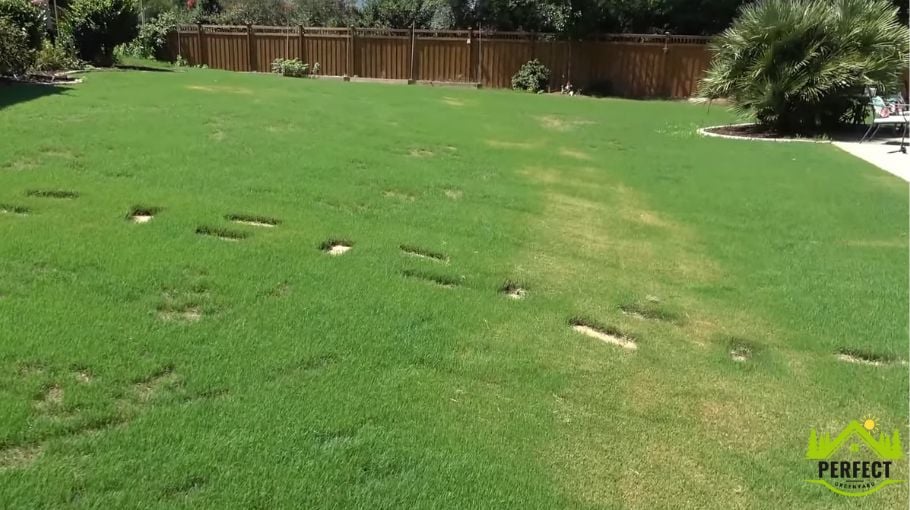
Ways to Make Bermuda Grass Thick
- Change the Mowing Practice
Most lawn owners often make the mistake of mowing the lawn in a month. That is a wrong practice; this way, the grass will not get thicker and will slow down its root growth with low stimulations. The right step is to mow the grass at least once a week, which will have a good impact on it. If you cut the Bermuda grass at 1/3rd of the grass height then the results will be amazing. Your Bermuda will go thicker and higher in volume with time.
- Organic Fertilizers
The lawn experts advise at least spreading organic fertilizers like phosphorus, nitrogen, and potassium, that are rich in nutrients that will boost the grass's health. And soon you will see the fantastic growth of Bermuda growth. Moreover, the pet’s urine, lack of nutrients, and other factors that make the grass thinner and dull will also be overcome with organic fertilizers.
- Pre-emergent Weed Control
The weed will badly affect the ground, which needs to be fixed with pre-emergent weed control. This solution will take full control over the slow growth of the Bermuda grass and fortify the root system. That is an essential step to control the Bermuda grass health by incorporating weed control solutions.
- Keep Water the Lawn
Excess of everything is bad, this phrase fits here. Spreading the required amount of water will maintain the Bermuda grass thickness. For that, you need to water 1.4 inches of the ground. More often, you can give the soil water up to 3 quarters after every 3-4 days. If you have a fresh lawn, then don’t water it daily. That will slow the root's growth and keep them growing thicker.
- Remove Thatch
The thatch must be removed from the Bermuda grass to make it thicker and refreshed. The role of thatch is very damaging; it will deprive the garden in terms of lacking nutrients, oxygen, nitrogen, water, and organic matter. The detaching process will keep the Bermuda grass turning into more lavish and greener than ever.
- Stop Over-Seeding
One of the most crucial factors that make the Bermuda grass reverse growth is seeding. The overseeding with the same species of seed will leave the lawn thin and weed from different spots that will look ugly and eyesore. So it is advised to aerate the overseeding part and water, mow, and add fertilizer to encourage the fast growth of the Bermuda grass.
- Check for a Lawn Disease
The disease of the soil will stop the growth of any type. So, it is necessary to rule out the disease and go for its instant treatment. In case of lawn disease, the Bermuda grass will change in color, become thinner, and get patchy. Fungal and bacteria infestation are the most common diseases that must be ruled out and effect your lawn care activities.
Conclusion
The Bermuda grass is the most common grass type that grows in tropical areas. It is the warm seasonal grass that has stronger growth than other carpet grass types. But, to maintain its growth is a little bit challenging. You need to analyze the various factors that could affect the lower down of growth and implement the steps that we have listed in the above discussion. If things don’t work, then it is time to go for expert consultations.