
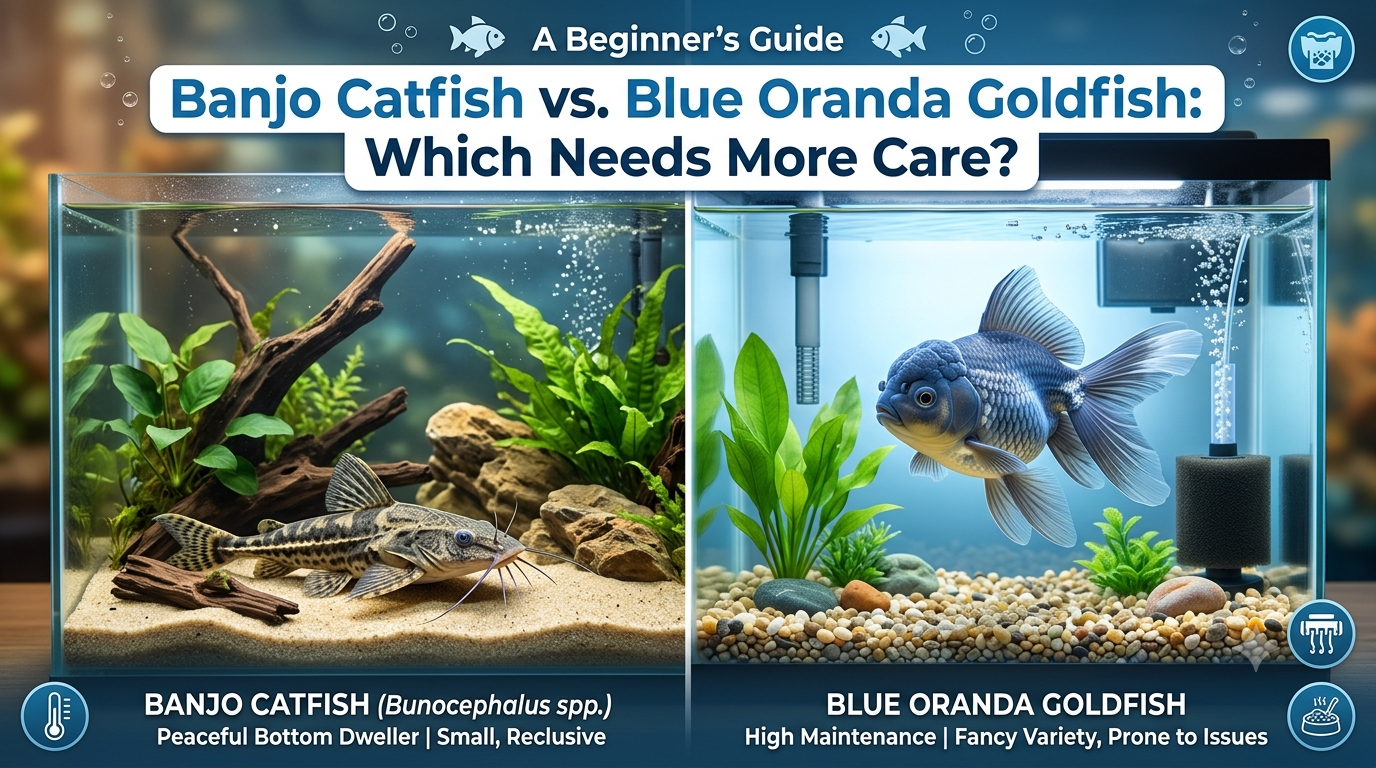
Choosing between two unusual aquarium fish can be tricky, especially when both have very different looks and care needs. One may spend much of its time resting near the bottom, while the other catches attention with its rounded body and flowing fins. Before bringing either fish home, think about the tank setup, feeding routine, water quality, and long-term space it will need. These details can make fishkeeping much easier.
1. Understand Their Natural Behaviour
Banjo catfish are known for their flat, unusual body shape and habit of blending into the substrate. They often spend time resting on the bottom, so a quiet aquarium with suitable hiding places can help them feel secure. If you're researching banjo catfish for sale, check the exact species and its adult size, because care needs can vary. Fine, aquarium-safe substrate and a suitable diet are worth considering before setting up the tank.
2. Compare Their Tank Requirements
A fish that stays near the bottom still needs enough space to move around comfortably. Arrange decorations so they provide shelter without blocking swimming paths or creating unsafe gaps. Banjo catfish may be less visible during the day, so don't assume that a fish hiding is necessarily unwell. Observe its normal behaviour and check water conditions regularly.
Blue Oranda goldfish have a different body shape and swimming style. Their rounded bodies and head growth can affect how easily they move, so they benefit from an aquarium with open space, gentle water flow, and no sharp decorations. They also produce a considerable amount of waste, making effective filtration and routine water changes especially important.
3. Pay Attention to Feeding
Feeding needs can be quite different between these fish. Banjo catfish are generally bottom-oriented feeders, so make sure suitable food reaches them instead of being eaten by tank mates first. Offer an appropriate diet based on the identified species, and remove uneaten food to protect water quality.
Orandas need a balanced goldfish diet and careful portion control. Feed an appropriate amount and watch whether the fish can reach the food comfortably. If it struggles to swim or eat, review its environment and seek advice from an experienced aquatic specialist.
4. Think About Tank Mates
Compatibility is about more than whether two fish seem peaceful. Different temperature preferences, feeding habits, and activity levels can make a shared aquarium difficult to manage. A rusty cichlid for sale may appeal to someone interested in colourful freshwater fish, but cichlids have their own water and social requirements. Research those needs separately rather than assuming they will suit either a banjo catfish or a goldfish.
5. Which One Needs More Care?
Neither fish is automatically easier in every situation. Banjo catfish need appropriate bottom conditions, suitable food, and a safe place to rest. Orandas need excellent water quality, careful feeding, and enough room to swim comfortably. If you're considering a blue oranda goldfish for sale, prepare for regular maintenance and plan around its long-term needs rather than its size at purchase.
Final Thoughts
The better choice depends on the aquarium you can provide and the care routine you can maintain. Research the species first, prepare the tank, and avoid rushing into a purchase.
Pet Supermarket can be a convenient place to explore aquarium filters, fish food, substrate, and water-care supplies. Having the right equipment ready helps make your fish's new home easier to manage. Visit now - https://www.petsupermarket.com/