
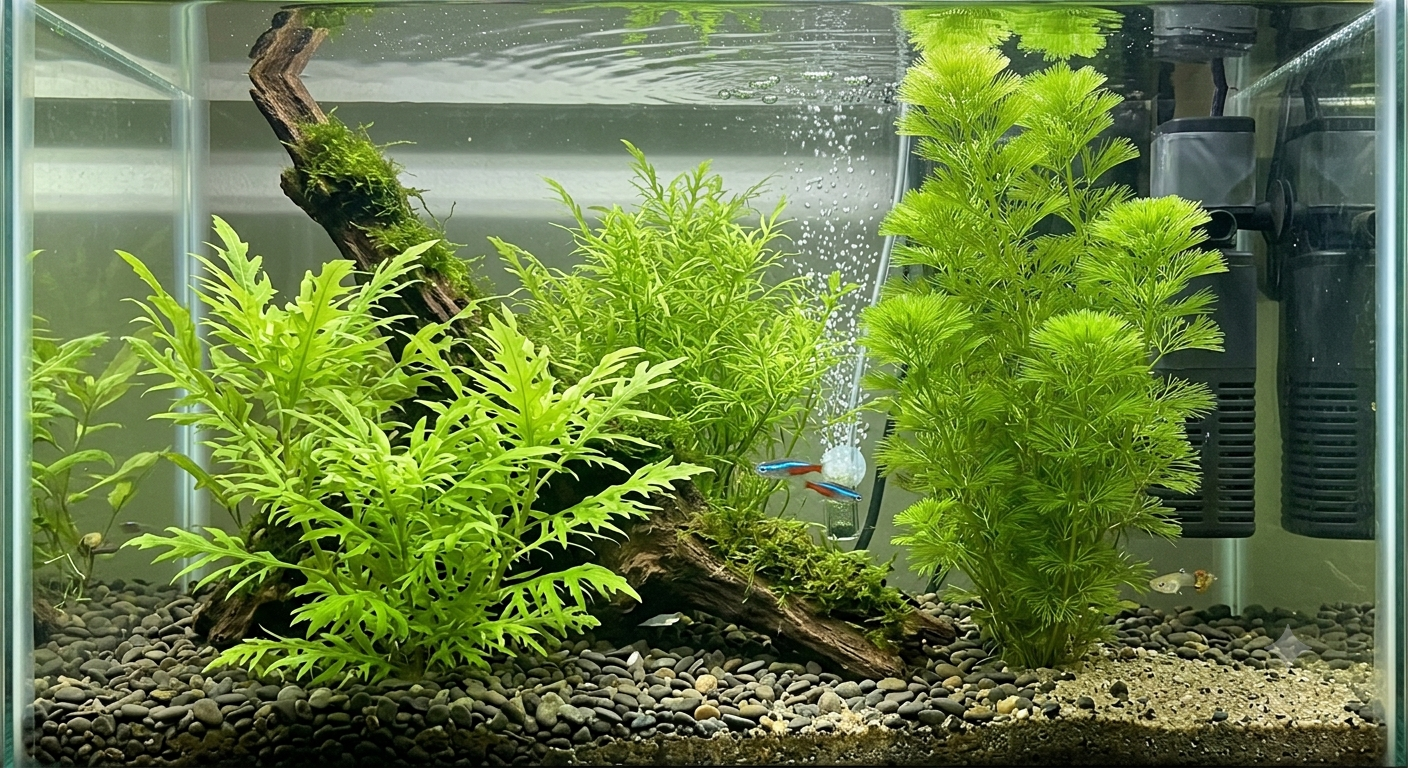
Adding live plants to an aquarium can completely change the way it looks. Instead of a tank that feels a little empty, you get layers of greenery, movement, and a more natural setting for fish. The good news? You don’t need to be an expert aquarist to grow healthy plants. With the right choices and a few simple habits, beginners can create a planted tank that looks great without making care feel like a full-time job.
Which Plants Are Good for Beginners?
Choosing easy-growing plants is a smart place to start. A wisteria fish tank plant can be a nice option when you want leafy greenery that adds plenty of visual interest. Before planting, check the plant’s condition and remove any damaged leaves. Give it enough room to spread, and avoid packing several plants into one small area. A little space between plants helps them grow without competing too much for light.
How Should You Plant Green Aquarium Plants?
Planting correctly makes a big difference during the first few weeks. A green cabomba plant can add a soft, feathery look to the aquarium, but it needs to be placed carefully in the substrate. Gently push the roots into the gravel or planting material while keeping the growing portion above the substrate. Avoid burying too much of the stem, as this can make the plant struggle.
Can Floating Plants Be Part of the Setup?
Not every aquarium plant needs to stay rooted. A water sprite aquarium plant can be planted in the substrate or allowed to float, depending on the look you want. Floating growth can create shaded areas near the surface, while planted growth gives the tank a more structured appearance. If you have fish that prefer open swimming space, keep floating plants from covering the entire surface.
How Much Light Do Aquarium Plants Need?
Light plays a major role in plant growth, but more light isn't always better. Start with a consistent daily lighting schedule and watch how the plants respond. Too much light can encourage algae, so avoid leaving aquarium lights running all day.
What Should You Do About Water Quality?
Healthy plants generally do better when aquarium water stays stable. Regular water changes, proper filtration, and monitoring basic water conditions can help create a better environment. If you notice yellowing leaves or slow growth, check the overall tank conditions before making major changes.
Frequently Asked Questions
1. What Are the Easiest Aquarium Plants to Grow?
Plants that adapt well to common aquarium conditions are usually easier for beginners. Starting with a few manageable varieties is better than filling the tank with many different plants at once.
2. Do Aquarium Plants Need Special Lighting?
Some plants need stronger lighting than others, but most planted tanks benefit from a consistent lighting schedule. The right light depends on the plant species and overall aquarium setup.
3. Can Aquarium Plants Grow Without CO2?
Yes, many aquarium plants can grow without added CO2. Growth may be slower, but suitable lighting, stable water conditions, and basic nutrients can still support healthy plants.
Final Thoughts
Growing aquarium plants is mostly about getting the basics right and giving them time. Start with easy plants, provide suitable lighting, keep water conditions steady, and make small adjustments when needed. You’ll soon get a feel for what works best in your own tank.
Pet Supermarket can be a convenient place to look for live aquarium plants and other supplies when setting up or refreshing a planted tank. Having the right plants, aquarium equipment, and care products ready can make the process much easier for beginners. Visit now!