


A Portrait of the Northwest Caucasus
Tucked between the Black Sea and the soaring peaks of the Caucasus Mountains lies Abkhazia, a region whose identity is shaped by ancient roots, linguistic distinctiveness, and a resilient cultural spirit. Central to this identity is the Abkhaz language—a marker of heritage, a bridge across generations, and a symbol of the people’s enduring presence in a land famed for its beauty and turbulence.
The Abkhaz Language
A Northwest Caucasian Tongue
Abkhaz belongs to the Northwest Caucasian (Abkhazo-Adyghean) language family, sharing deep structural connections with languages such as Abaza, Adyghe, and Kabardian. This family is known for:
- Extremely complex consonant systems Abkhaz famously has around 50 consonants (depending on the dialect), including numerous ejective and labialized sounds.
- Minimal vowel inventories Standard Abkhaz uses just two or three vowels, with subtle distinctions expressed instead through consonantal contrasts.
- Highly agglutinative verbal structure A single verb form can encapsulate subject, object, indirect object, tense, aspect, location, and direction—sometimes yielding words that translate to full sentences in English.
Dialects and Writing System
Abkhaz has two primary dialect groups:
- Abzhywa (Abzhui) — the basis of the modern literary standard
- Bzyp — spoken around the Bzyb River in the northwest
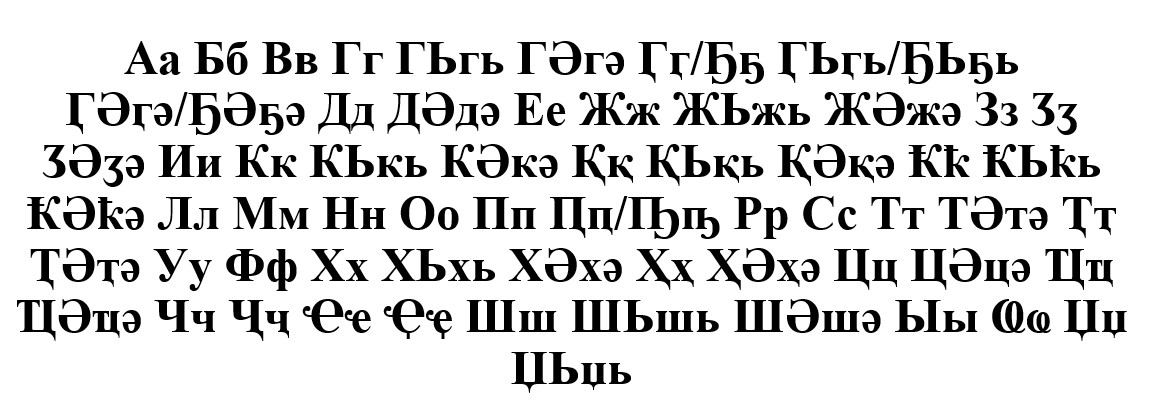
The Cyrillic script, adapted for Abkhaz in the 20th century, is the official writing system today, though the language has also historically been written using Latin and Georgian scripts during different political eras.
Status and Revitalization
The language is spoken in Abkhazia and in large diaspora communities—especially in Turkey, a legacy of 19th-century mass migrations during the Russo-Circassian conflicts. While Abkhaz is an official language of Abkhazia, revitalization efforts continue due to pressures from Russian dominance and intergenerational language shift, particularly in urban areas and abroad.
The Abkhaz People
Ancient Mountain Dwellers
The Abkhaz are one of the indigenous peoples of the Caucasus, with roots believed to stretch back thousands of years. Historically, they formed clans and principalities that navigated shifting empires—Byzantine, Ottoman, and Russian—while maintaining a distinct identity centered on family, land, and honor.
Diaspora
The Abkhaz community outside Abkhazia is significant—especially in Turkey, but also Syria, Jordan, and other Middle Eastern countries. This diaspora preserves Abkhaz customs and identity through cultural associations, dance groups, and language schools.
Societal Structure
Traditional Abkhaz society is built around extended families and clan affiliations (patrilineal in origin). A code of behavior known as Apsuara guides social relations and defines what it means to live morally, respectfully, and as part of the Abkhaz collective.
Abkhaz Culture
Apsuara: The Ethical Core
Apsuara governs notions of:
- Hospitality (considered sacred—guests are treated with near ceremonial respect)
- Bravery and honor
- Respect for elders
- Mutual aid and communal responsibility
It functions as both a moral philosophy and a cultural constitution.
Music and Dance
Abkhaz musical tradition features:
- Polyphonic singing, often powerful and resonant
- Instruments such as the ayumaa (a bowed string instrument) and achamgur (a flute)
- Energetic group dances, typically performed at festivals, weddings, and major gatherings
Traditional dances emphasize agility, coordination, and community, with movements often symbolizing harmony with nature and pastoral life.
Cuisine
Abkhaz cuisine reflects the region’s subtropical climate and pastoral heritage. Signature elements include:
- Acha’psa — thick, hearty porridge (similar to polenta)
- Adjika — a fiery red spice paste now popular globally
- Cheese, smoked meats, fish, and fresh herbs
- Honey and wine, with viticulture dating back millennia
Food is often communal, reinforcing social bonds and hospitality.
Religion
Abkhaz religious life is diverse, shaped by centuries of cultural contact. While many today identify as Orthodox Christian or Muslim, pre-Christian indigenous belief systems—centered on nature spirits and ancestral reverence—continue to influence rituals and seasonal festivals.
Folklore and Myth
The Abkhaz cultural imagination is rich with:
- Epic heroes, such as the Narts (shared with other Caucasian cultures)
- Nature spirits and mythical protectors
- Legends tied to mountains, rivers, and sacred groves
These stories emphasize bravery, communal unity, and respect for the natural world.
A Living Heritage
The Abkhaz language, people, and culture form a tapestry woven from mountain traditions, maritime life, and centuries of resilience. Despite political upheavals, diaspora dispersal, and linguistic pressures, Abkhaz identity has proven tenacious. Today, revitalization efforts, digital tools, and renewed cultural pride are helping ensure that Abkhaz—both the language and the worldview it carries—will endure and evolve in the generations to come.
Comments ()