


A Living Heritage of Southern China
Cantonese—one of the world’s most vibrant and culturally influential Sinitic languages—stands at the heart of a rich regional identity shaped by trade, migration, cuisine, and artistic innovation. Centered historically in Guangdong, Hong Kong, and Macau, Cantonese-speaking communities have spread across the globe, preserving a cultural distinctiveness that is both ancient and ever-evolving.
The Cantonese Language
A Major Branch of the Chinese Linguistic Family
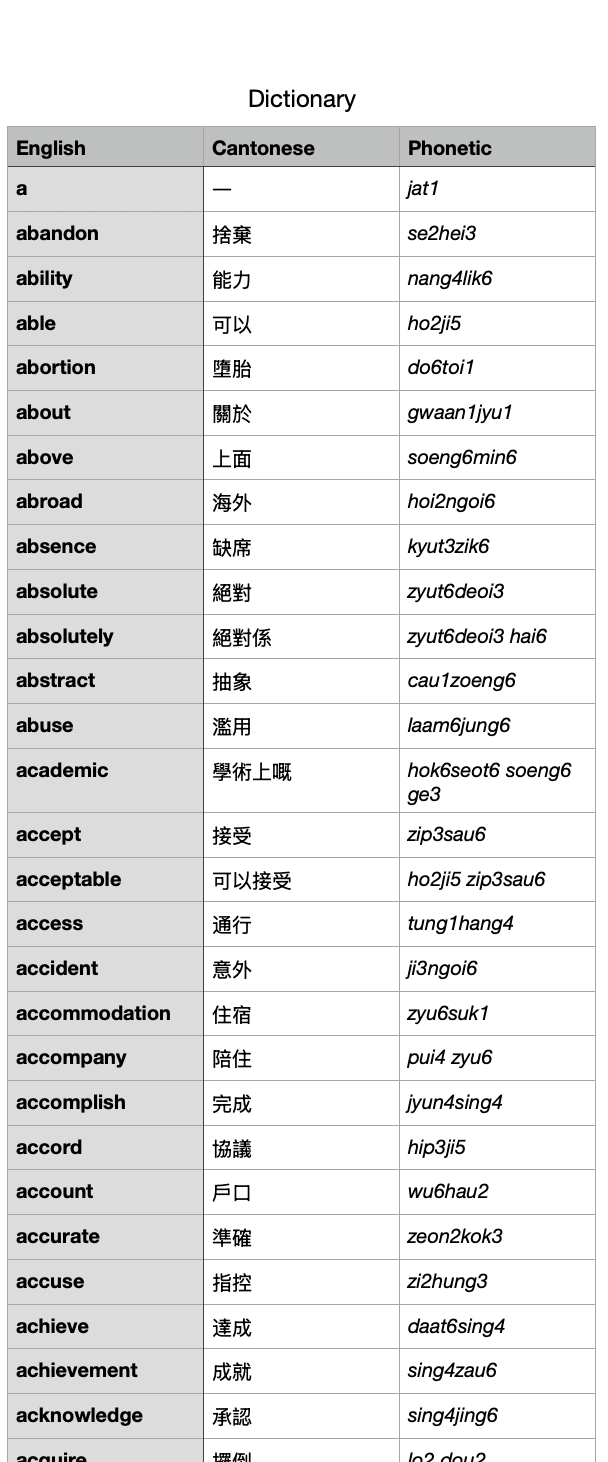
Cantonese (粵語 / 粤语, Jyutjyu) is a Yue Chinese language, part of the broader Sinitic branch of the Sino-Tibetan family. Although often referred to as a “dialect,” Cantonese is linguistically a full-fledged language with:
- Six to nine tones (depending on the analysis)
- A large set of distinct phonemes and final consonants
- A deep literary tradition
- Sentence structures and vocabulary not shared with Mandarin
These features make Cantonese one of the most historically conservative and culturally expressive Chinese languages.
Tonal Richness and Sound
Cantonese’s tonal system—one of the most complex among major Chinese languages—allows for fine-grained distinctions of meaning. Final consonants such as -p, -t, and -k, lost in Mandarin, are preserved in Cantonese, giving the language a crisp, rhythmic character.
Writing Systems: Characters and Slang Innovation
Cantonese uses traditional Chinese characters, but it also has many Cantonese-specific characters and written forms reflecting local grammar and colloquial speech. These appear:
- In Hong Kong media
- In messaging apps
- In music lyrics
- In online communities
This written colloquial style (俗字 sukzi) preserves jokes, slang, and cultural nuance that Mandarin cannot capture.

Global Spread
Large Cantonese-speaking diaspora communities exist in:
- Canada (especially Vancouver and Toronto)
- The United States (San Francisco, Los Angeles, New York)
- Southeast Asia
- Australia
- The United Kingdom
Because many early overseas Chinese migrants were Cantonese, the language has shaped global perceptions of “Chinese culture” for generations.
The Cantonese People
Historical Roots in Lingnan
Cantonese identity arises from the Lingnan region, historically home to a blend of Han settlers and indigenous peoples. Over centuries, the region developed a distinct linguistic and cultural profile due to:
- Distance from northern power centers
- Independent trade networks
- Maritime openness
- Mild climate and fertile river systems
This produced a strong sense of local identity expressed through customs, cuisine, and arts.
Trade, Migration, and Entrepreneurship
Guangzhou (Canton) was China’s major gateway to the outside world during the 18th and 19th centuries. As a result, Cantonese people became known for:
- Entrepreneurial skill
- Maritime trade
- Diaspora networks
- Cultural adaptability
This mobility helped spread Cantonese culture far beyond southern China.
Regional Variations
Cantonese identity is not monolithic. Subgroups include:
- Guangzhou Cantonese
- Hongkongers
- Macanese (with Portuguese cultural blending)
- Taishanese/Toisanese (an older Yue language spoken by many early immigrants abroad)
Each subgroup adds layers to the wider Cantonese cultural tapestry.
Cantonese Culture
Cuisine: World-Famous Cantonese Food
Cantonese cuisine (粤菜 jyut^6 coi^3) is one of the most celebrated in China and the world. Its hallmarks include:
- Fresh ingredients
- Light seasoning that highlights natural flavors
- A vast seafood tradition
- Dim sum culture: small plates enjoyed with tea, known as yum cha
Signature dishes include:
- Char siu (barbecued pork)
- Har gow (shrimp dumplings)
- Siu mei (roasted meats)
- Cantonese congee
- Steamed fish with ginger and scallion
Food is central to community, family, and festive life.
Cinema, Music, and Pop Culture
Cantonese culture is globally influential thanks to:
Hong Kong Cinema
Hong Kong has been one of the world’s major film industries. Cantonese-language films launched:
- Bruce Lee
- Jackie Chan
- Anita Mui
- Wong Kar-wai
- John Woo
These films shaped global action cinema, arthouse aesthetics, and martial arts storytelling.
Cantopop
Cantopop (廣東歌 gwong2 dung1 go1) dominated Asian music from the 1970s to the early 2000s, producing legendary stars and shaping contemporary Cantonese identity.
Religion and Festivals
Traditional spiritual practices emphasize:
- Ancestral worship
- Folk deities such as Tin Hau (Mazu)
- Taoist and Buddhist influences
Major festivals include:
- Mid-Autumn Festival
- Dragon Boat Festival
- Lunar New Year
- Cheung Chau Bun Festival
These celebrations blend food, performance, and communal ritual.
Opera and Performing Arts
Cantonese opera (粵劇 jyut^6 kek^3) is recognized by UNESCO as Intangible Cultural Heritage. Known for its:
- Elaborate costumes
- Powerful singing styles
- Martial arts choreography
- Symbolic gestures and storytelling
It remains a cultural touchstone across Cantonese communities.
Values and Social Traditions
Cantonese culture emphasizes:
- Family loyalty and filial piety
- Hard work and upward mobility
- Social pragmatism
- Respect for tradition alongside entrepreneurship
This combination fosters resilience and flexibility, qualities that have helped Cantonese communities thrive globally.
A Living, Dynamic Cultural Tradition
The Cantonese language, people, and culture together represent one of the most influential and enduring regional identities in the Chinese world. Whether through film, food, trade, or a unique linguistic heritage, Cantonese culture continues to shape global perceptions of Chinese civilization while evolving with new generations.
Amid modernization and linguistic change, the preservation of Cantonese—its tones, stories, and expressive vitality—remains central to maintaining the cultural soul of Lingnan and its worldwide communities.

Comments ()