

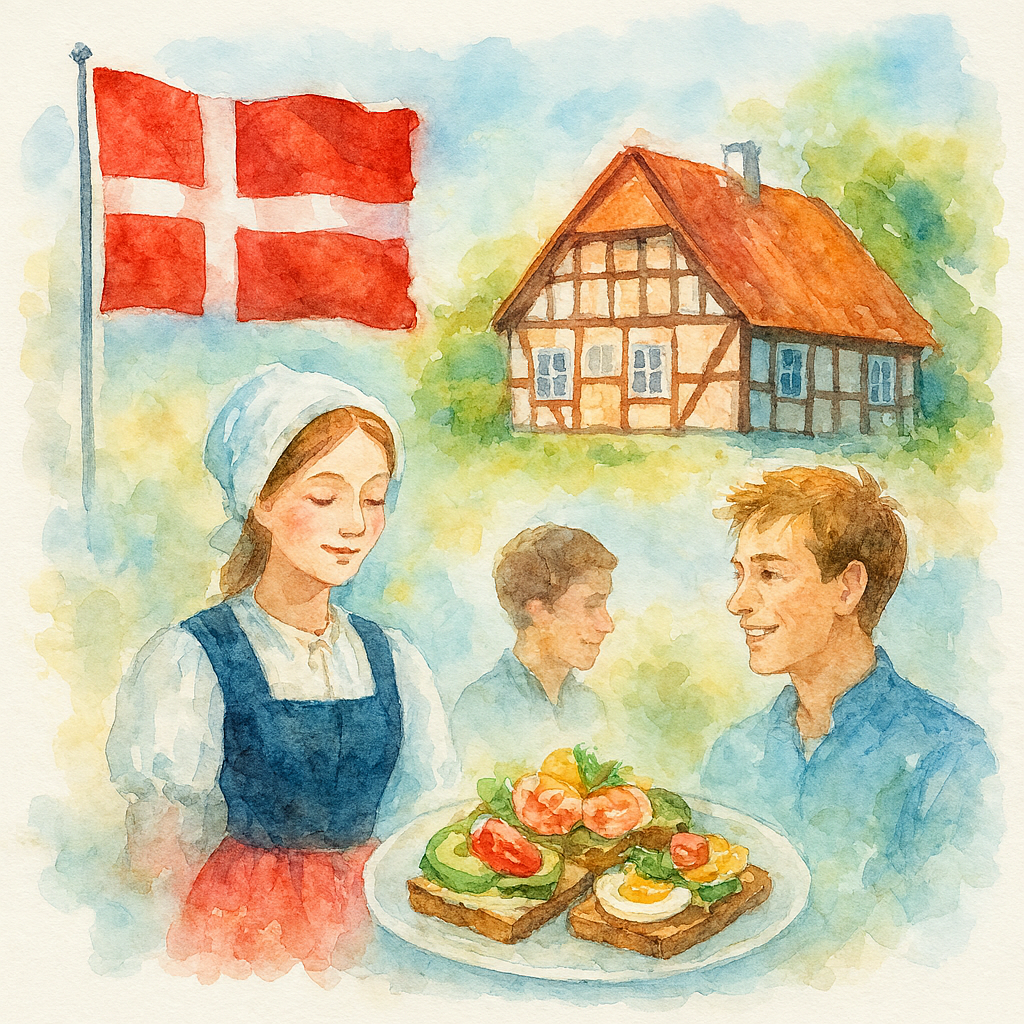
A Nordic Legacy of Clarity and Community
Spanning the windswept Jutland Peninsula and an intricate archipelago of islands, Denmark is a nation whose identity is built on linguistic continuity, social cohesion, and a cultural ethos that blends ancient tradition with modern innovation. At the center is the Danish language, a cornerstone of national identity and a window into the values and worldview of the Danish people.
The Danish Language
A North Germanic Linguistic Heritage
Danish (dansk) is a North Germanic language, part of the Scandinavian branch that includes Swedish, Norwegian, Icelandic, and Faroese. Along with Norwegian and Swedish, it forms a closely related mainland Scandinavian subgroup with a high degree of mutual intelligibility.
Pronunciation and Sound
Danish is known for its distinctive phonology, especially:
- The soft ‘d’ and guttural ‘r’
- Reduced consonants in many positions
- A high level of vowel variation
- The famous glottal stop-like “stød”, a laryngeal feature that distinguishes meaning in many words
To learners, Danish can sound fluid and muted, but its rhythmic softness is characteristic and expressive.
Grammar and Vocabulary
Danish grammar is relatively streamlined:
- Two grammatical genders (common and neuter)
- No case marking on nouns
- Verbs do not conjugate for person or number
- Word order is similar to English, with V2 structure in main clauses
Vocabulary is a mix of native Germanic roots and centuries of influence from Low German, Middle Low German, and later English.
Writing System
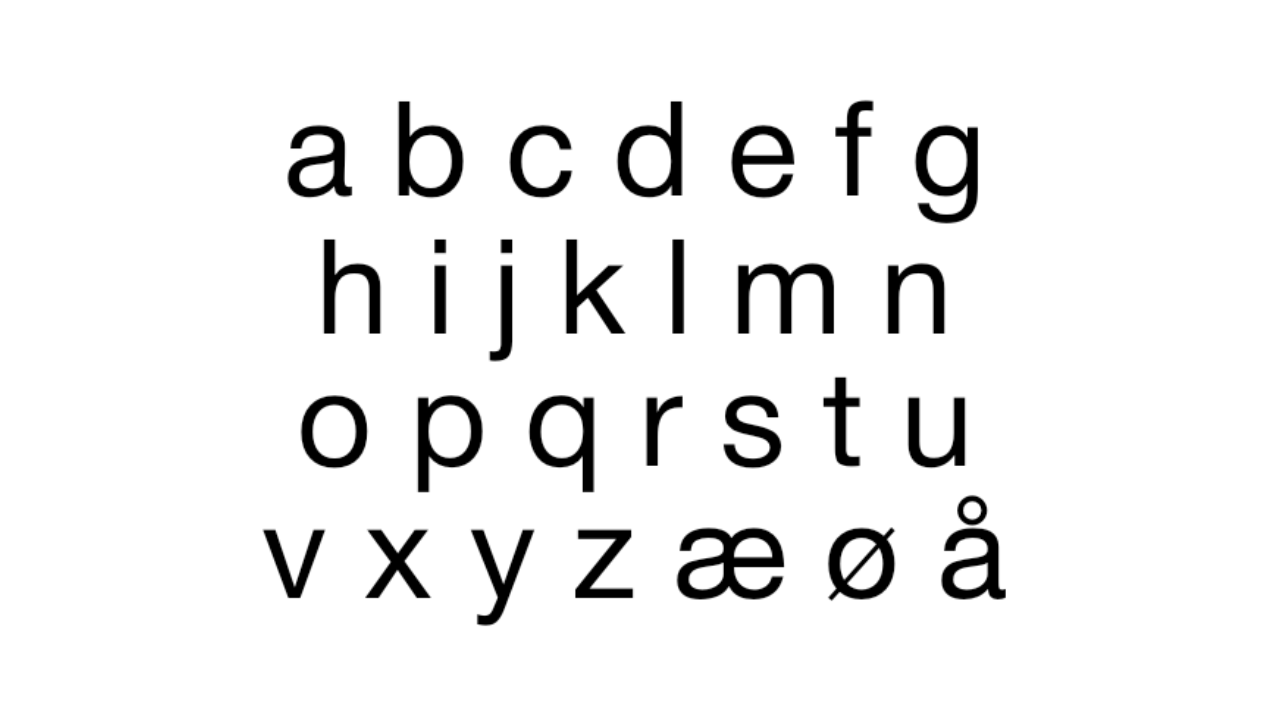
Danish uses the Latin alphabet with three additional letters: æ, ø, å. Modern Danish spelling was standardized in the 20th century, though older texts show significant variation.
Mutual Intelligibility
Danish, Swedish, and Norwegian are partly mutually intelligible—though Danes often understand their Scandinavian neighbors more easily than vice versa, largely due to Danish’s more compressed pronunciation.
The Danish People
From Vikings to Modern Nationhood
The Danish people trace their ancestry to the seafaring Vikings, who left a legacy across Northern Europe between the 8th and 11th centuries. Over time, Denmark transformed into a unified kingdom—one of the oldest continuous monarchies in the world.
Modern Danish identity is shaped by:
- A long tradition of seafaring and trade
- A historically rural society that embraced urbanization early
- A political culture valuing consensus, pragmatism, and egalitarianism
Social Values: Trust, Equality, and the Collective Good
Denmark consistently ranks among the world’s happiest nations. Central to Danish society are:
- High social trust—in institutions, neighbors, and civic life
- Equality and fairness, reflected in welfare policies and workplace culture
- Modesty and restraint, encapsulated in the cultural norm janteloven, the “Law of Jante,” which encourages humility and discourages boastfulness
- Community engagement, seen in local associations and democratic participation
These values foster a sense of security, collective responsibility, and social cohesion.
The Diaspora
Danish emigrants historically settled in the United States (especially the Midwest), Canada, Argentina, and Australia. Their traditions—folk dancing, Lutheranism, and agricultural expertise—became part of local cultural landscapes.
Danish Culture
Design, Architecture, and Aesthetics
Danish culture is globally recognized for its minimalist aesthetic. Danish design emphasizes:
- Clean lines
- Functionality
- Natural materials
- Quiet elegance
Icons like Arne Jacobsen, Hans Wegner, and modern brands such as Bang & Olufsen carry this tradition forward. Copenhagen’s architecture blends medieval streets, neoclassical structures, and bold contemporary design.
Hygge: A Cultural Touchstone
The concept of hygge (pronounced roughly “hoo-guh”) is central to Danish life. It refers to:
- Cozy togetherness
- Comfort and warmth
- An atmosphere of simplicity, intimacy, and contentment
Hygge is not just décor—it’s a social philosophy rooted in balance and wellbeing.
Cuisine
Modern Danish cuisine is a blend of traditional dishes and world-renowned innovation.
Traditional Foods:
- Smørrebrød — open-faced rye bread sandwiches
- Rødgrød med fløde — a berry dessert known for its challenging pronunciation
- Pickled herring, meatballs (frikadeller), and roast pork
- Rye bread (rugbrød), a dietary cornerstone
New Nordic Cuisine:
This movement, pioneered partly in Denmark, champions:
- Locally sourced ingredients
- Seasonal produce
- Artistic presentation
Restaurants like Noma put Danish gastronomy on the global map.
Literature and Arts
Denmark’s cultural contributions include:
- Hans Christian Andersen, whose fairy tales are international classics
- Søren Kierkegaard, a foundational figure in existentialism
- A vibrant film culture, noted for the Dogme 95 movement and directors like Lars von Trier and Susanne Bier
- Strong traditions in ceramics, glassware, and contemporary art
Religion and Festivals
Though Denmark is highly secular, the Evangelical Lutheran Church remains culturally significant. Festivals include:
- Fastelavn, a pre-Lenten celebration
- Midsummer’s Eve (Sankt Hans), marked by bonfires
- Christmas, celebrated with elaborate communal dinners
Many Danish rituals focus on family, food, and community.
A Blend of Tradition, Modernity, and Social Harmony
The Danish language, with its soft contours and ancient roots, reflects the people who speak it—grounded, practical, and subtly expressive. The Danish people’s emphasis on community, equality, and consensus shapes one of the world’s most cohesive societies. Meanwhile, Danish culture—spanning design, literature, food, and everyday rituals of comfort—expresses a timeless commitment to balance, beauty, and wellbeing.
Together, they form a living cultural legacy that continues to influence the Nordic region and the world.
Comments ()