

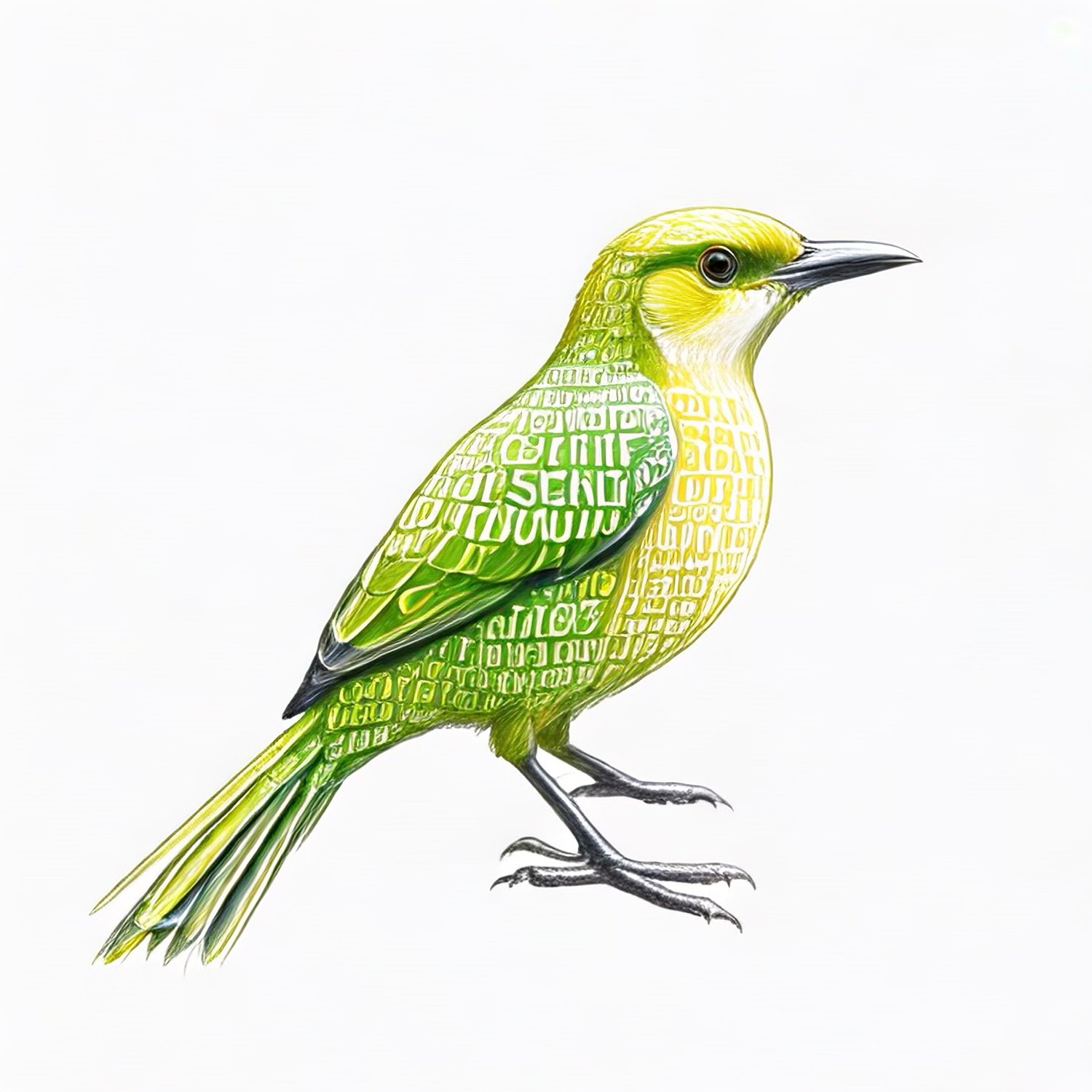
How Languages Evolve Without Anyone Noticing
If you’ve ever paused to wonder why English spelling is so inconsistent, or why new slang appears seemingly overnight, you’ve already glimpsed the quiet chaos that fuels language evolution. Words, like living organisms, adapt to their environments—and that environment is us. Every conversation, text message, and meme subtly reshapes how we communicate. Language isn’t a fixed system; it’s a collective improvisation that never truly stops.
Take the word literally, for example. Once the model of precision, it’s now used figuratively so often that dictionaries have accepted that meaning too. Purists may grumble, but what we’re witnessing is language doing what it does best: adjusting to how people actually use it. The same happened to awful (which once meant “full of awe”) and nice (which used to mean “ignorant”). Words shift, meanings drift, and grammar rules evolve to fit the rhythm of real life.
Technology has only accelerated this process. Social media platforms, with their character limits and lightning-fast trends, have turned the internet into a linguistic laboratory. Acronyms like LOL and OMG have entered mainstream speech. Emojis act as emotional punctuation. Entire syntaxes—like the clipped, deadpan style of meme-speak—emerge organically and spread globally within weeks. What might have once taken centuries now happens in digital time.
But beneath the noise of trends lies something deeper: a shared desire to connect. Even as we invent new slang or bend old rules, we’re still using language for the same ancient purpose—to be understood, to express identity, to belong. Each dialect, accent, and idiom is a fingerprint of culture, carrying the memory of generations who shaped it.
So the next time you cringe at a “wrong” usage or a strange new expression, remember: you’re watching evolution in real time. Language doesn’t decay—it transforms. And every speaker, consciously or not, is part of that grand experiment. The secret life of words is really the story of us—restless, inventive, and always finding new ways to say what we mean.
Comments ()