
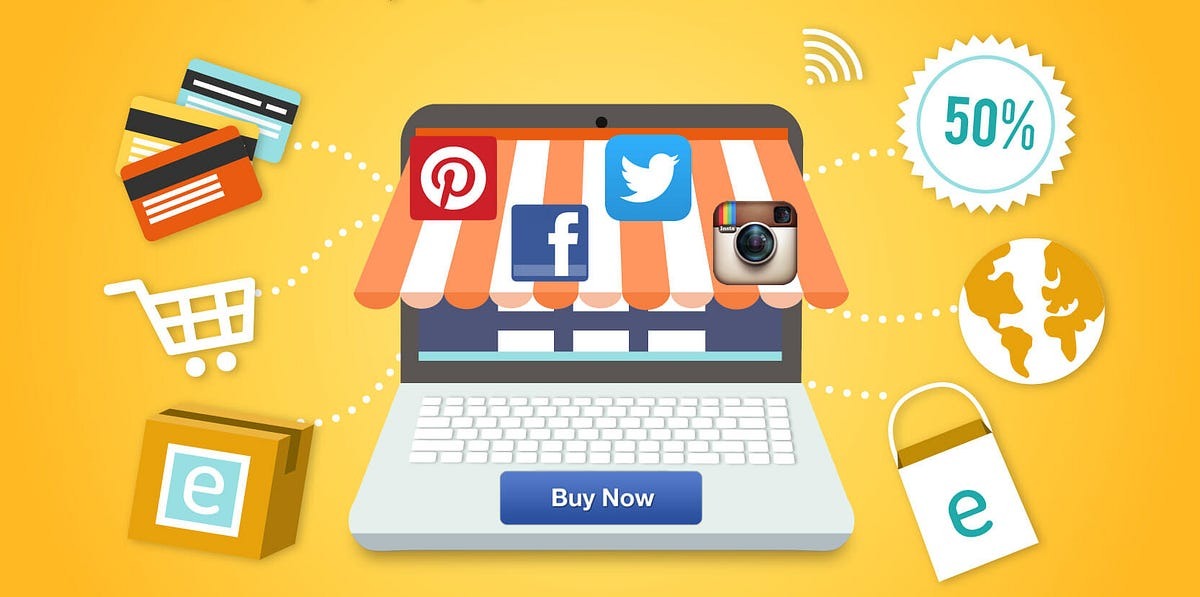
In today’s digital landscape, social media has become an essential tool for e-commerce businesses. It is no longer enough to have a visually appealing website or a high-quality product. Consumers expect engagement, responsiveness, and interaction with brands on social platforms. By leveraging social media effectively, businesses can increase their reach, build trust, and ultimately drive sales. This article explores practical strategies to enhance e-commerce sales through social media.
Understanding Your Audience
Before implementing any social media strategy, it is crucial to understand your target audience. Social media platforms are diverse, each catering to different demographics and interests. For instance, Instagram and TikTok tend to attract younger audiences, while Facebook often engages an older demographic. Identifying where your potential customers spend their time is essential to ensure that your marketing efforts are focused and effective.
Research your audience’s preferences, behaviours, and online habits. Social media analytics tools can provide insights into which posts gain the most engagement and what content resonates with followers. By understanding your audience, you can tailor your content to their interests, increasing the likelihood of interaction and, ultimately, conversions.
Create High-Quality Content
Content is the backbone of social media marketing. High-quality, engaging content encourages users to interact with your brand and can increase the visibility of your products. Visual content such as images, videos, and infographics often performs better than text-only posts. In e-commerce, product images must be clear, professional, and showcase the product from multiple angles.
Video content is particularly effective for demonstrating products in use. Short clips or tutorials can highlight product features, explain benefits, and inspire confidence in potential buyers. Consistency is key, so maintain a regular posting schedule and ensure that your content aligns with your brand identity. This helps build recognition and trust over time.
Leverage Influencer Marketing
Influencer marketing has become a powerful tool for driving e-commerce sales. Collaborating with influencers allows your products to reach a wider and more engaged audience. Influencers have established credibility and trust with their followers, which can transfer to your brand.
When selecting influencers, consider not only their follower count but also their engagement rate and relevance to your niche. Micro-influencers, with smaller but highly engaged audiences, often provide better returns on investment compared to those with millions of followers. Sponsored posts, product reviews, or affiliate partnerships can all be effective ways to collaborate with influencers and boost sales.
Use Paid Advertising Strategically
While organic reach is valuable, paid social media advertising can significantly accelerate e-commerce growth. Platforms such as Facebook, Instagram, and TikTok offer sophisticated targeting options, allowing businesses to reach users based on location, interests, purchasing behaviour, and more.
Experiment with different ad formats, including carousel ads, video ads, and dynamic product ads. Retargeting campaigns can also be particularly effective. These target users who have previously visited your website or engaged with your content, reminding them of products they showed interest in and encouraging them to complete their purchase.
Engage with Your Audience
Social media is not just a broadcast channel; it is a platform for two-way communication. Engaging with your audience can increase brand loyalty and trust. Respond promptly to comments and messages, and consider hosting interactive content such as polls, quizzes, or live sessions.
Customer feedback is another valuable aspect of social engagement. Positive reviews and testimonials can build credibility, while addressing negative feedback transparently demonstrates commitment to customer satisfaction. By actively interacting with your audience, you create a sense of community that encourages repeat purchases and word-of-mouth referrals.
Optimise Your Social Media Profiles
Your social media profiles are often the first point of contact for potential customers. Optimising them ensures that users can easily find information about your brand and products. Include clear descriptions, high-quality images, and links to your e-commerce store.
Make use of features specific to each platform. For example, Instagram Shopping allows users to purchase products directly from your posts, while Pinterest enables product pins that link to your store. Providing a seamless path from discovery to purchase reduces friction and increases the likelihood of conversions.
Implement User-Generated Content
User-generated content (UGC) is a powerful way to enhance credibility and engagement. Encouraging customers to share photos, videos, or reviews of your products provides authentic social proof. UGC can be featured on your social media channels, creating a cycle of trust and inspiration for potential buyers.
Campaigns that incentivise UGC, such as contests or hashtag challenges, can increase participation and visibility. Highlighting real customers using your products helps potential buyers imagine themselves using the same products, which can positively influence purchasing decisions.
Analyse and Adjust Strategies
Social media marketing is not static. Continuous analysis and optimisation are crucial to ensure that your efforts result in tangible sales. Track key performance indicators such as engagement rates, click-through rates, and conversion rates. Identify which types of content and campaigns generate the most revenue and adjust your strategy accordingly.
A/B testing can provide valuable insights into what resonates with your audience. For example, testing different captions, images, or posting times can reveal optimal approaches. By continually refining your social media strategy, you ensure that your campaigns remain effective and aligned with your business goals.
Integrate Social Commerce Tools
Many social media platforms now offer integrated commerce tools that allow for direct purchasing within the platform. Features such as Instagram Shops, Facebook Marketplace, and TikTok Shopping reduce the steps required for a customer to complete a purchase.
Integrating these tools into your social media strategy can shorten the sales funnel and improve the user experience. Ensure that your product listings are accurate, visually appealing, and provide all necessary information to facilitate informed purchasing decisions.
Conclusion
Social media is no longer an optional component of e-commerce strategy; it is a central driver of growth and engagement. By understanding your audience, creating high-quality content, leveraging influencers, utilising paid advertising, and engaging authentically, businesses can significantly boost their sales. Optimising profiles, encouraging user-generated content, analysing performance, and adopting social commerce tools further strengthen your approach.
Success in social media e-commerce requires consistent effort, creativity, and adaptation to changing trends. Businesses that invest in building a strong social presence are more likely to convert followers into loyal customers, ultimately driving sustainable growth. Social media is a dynamic landscape, but with a clear strategy and continuous optimisation, it offers unparalleled opportunities to increase e-commerce sales.
Comments ()