
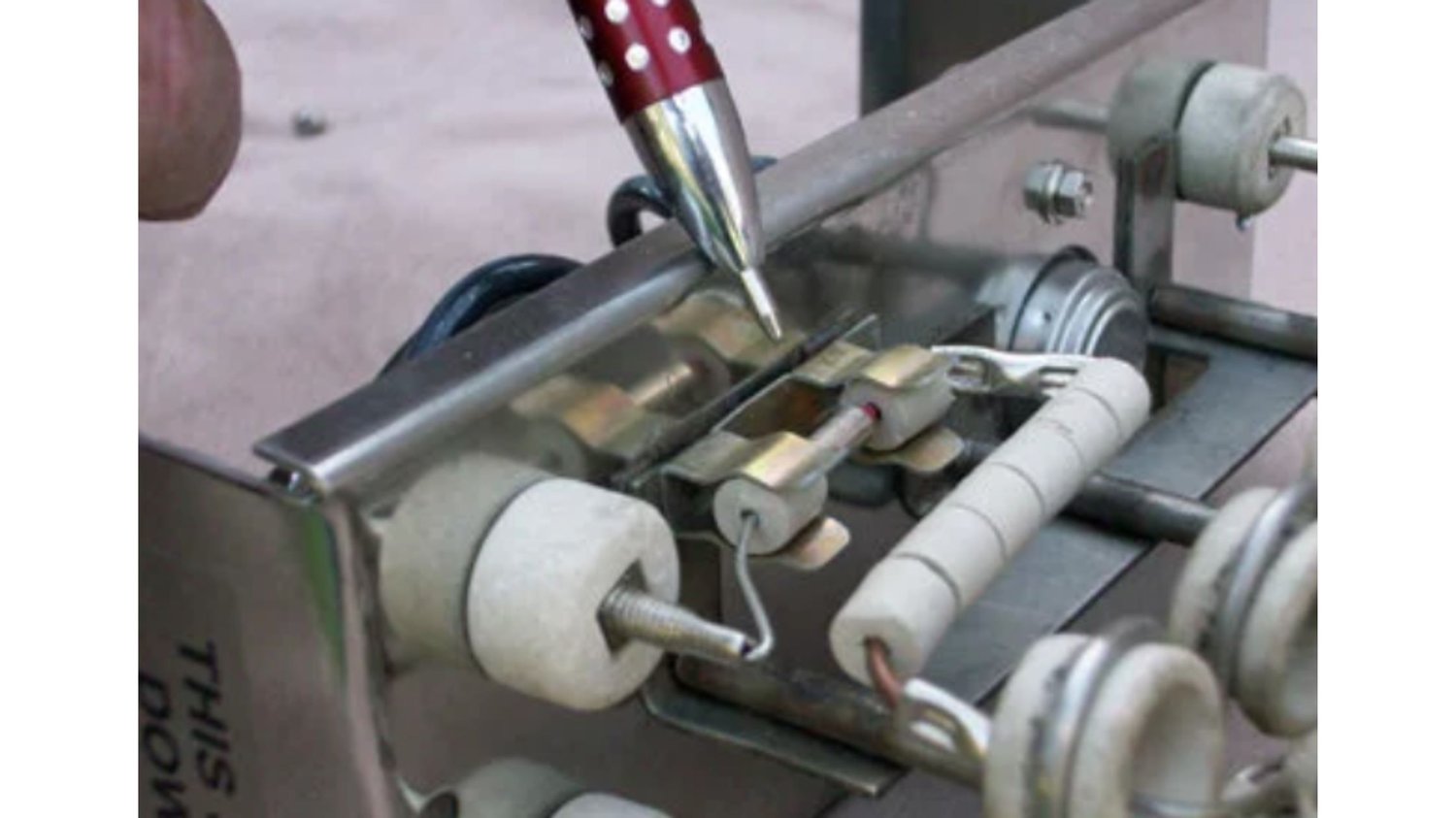
Cold nights are hard on RV owners. The temperature drops, the propane gauge falls, and each refill adds to the cost of the trip. Many owners ask a fair question: is there a better way to heat the coach?
A standard RV furnace burns propane and works well away from power hookups. However, it uses up the tank fast on long stays. Electric options give campers a second heat source. The right choice depends on power, space, and travel habits.
What Does Electric Heat Do Differently?
Electric heat warms the coach with heating coils instead of a flame. A fan then pushes warm air through the ducts, as a gas unit does. Gas units need a flue, so they require an outside wall. A modern RV electric furnace does not need a flue. Installers place it upright or on its side, which helps in tight floor plans.
Most models run on 30 or 50 amp shore power. Output matches a 20,000 to 40,000 BTU gas unit. Buyers should still check the power load. A professional installer reviews the coach's power supply to confirm the right match.
Who Gets the Most Value From Electric Heat?
Campers who stay at powered sites for long periods get the most value. Some campgrounds include power in the site fee, so owners use it and save propane. Three groups benefit most:
- Seasonal campers: Long stays at parks with free power make shore power a low-cost heat source. Owners cut their propane bill and stay warm.
- Frequent refillers: Owners who fill the tank every few days in winter save time and fuel costs. Fewer trips to the propane station leave more time at the campsite.
- Storage owners: Electric heat keeps water tanks and the basement warm while the coach is in storage. It also protects the pipes from freezing.
Is a Hybrid Setup Better Than a Full Replacement?
Both options work well, and the choice depends on how the owner travels. A hybrid add-on installs after the current furnace, and a switch lets the owner pick gas or electric. Campers who split time between powered parks and remote spots like this flexibility.
Owners who stay connected to shore power most of the year may prefer a full replacement. In that case, an electric furnace RV model takes the place of the gas unit. The new unit has its own fan and cabinet, so it works on its own.
How Do Electric and Propane Costs Compare?
Start with local prices. Power and propane rates differ by region, and outdoor temperature matters At a campground with free power, electric heat gives owners a simple way to save on propane.
Size also matters. A well-sized RV furnace uses fuel efficiently and keeps the coach comfortable. Owners can track propane use for one month and compare it with their power costs. The results show which option fits their travel style.
What Should Buyers Check Before the Purchase?
A short checklist helps owners choose with confidence:
- Furnace match: Review the compatibility chart before you buy an RV electric furnace. An add-on fits select Suburban and Atwood Hydro Flame units, so model numbers matter.
- Power rating: Check whether the coach has 30 or 50 amp service. Smaller models work with 30 amps, and larger models use 50 amps.
- Space and ducts: Measure the cabinet area and the duct layout. Leave room around the unit for safe clearance.
Good preparation saves time, money, and stress. Careful planning helps any electric furnace RV go well from the first day.
Final Thought
Winter camping can stay comfortable and affordable. A mix of propane and shore power keeps the coach warm and the budget in check.
RV Comfort Systems makes electric and hybrid heat options for RVs, including the CheapHeat add-on and a standalone electric unit. Readers who want product details, compatibility guides, and install manuals can visit their website to learn more.