
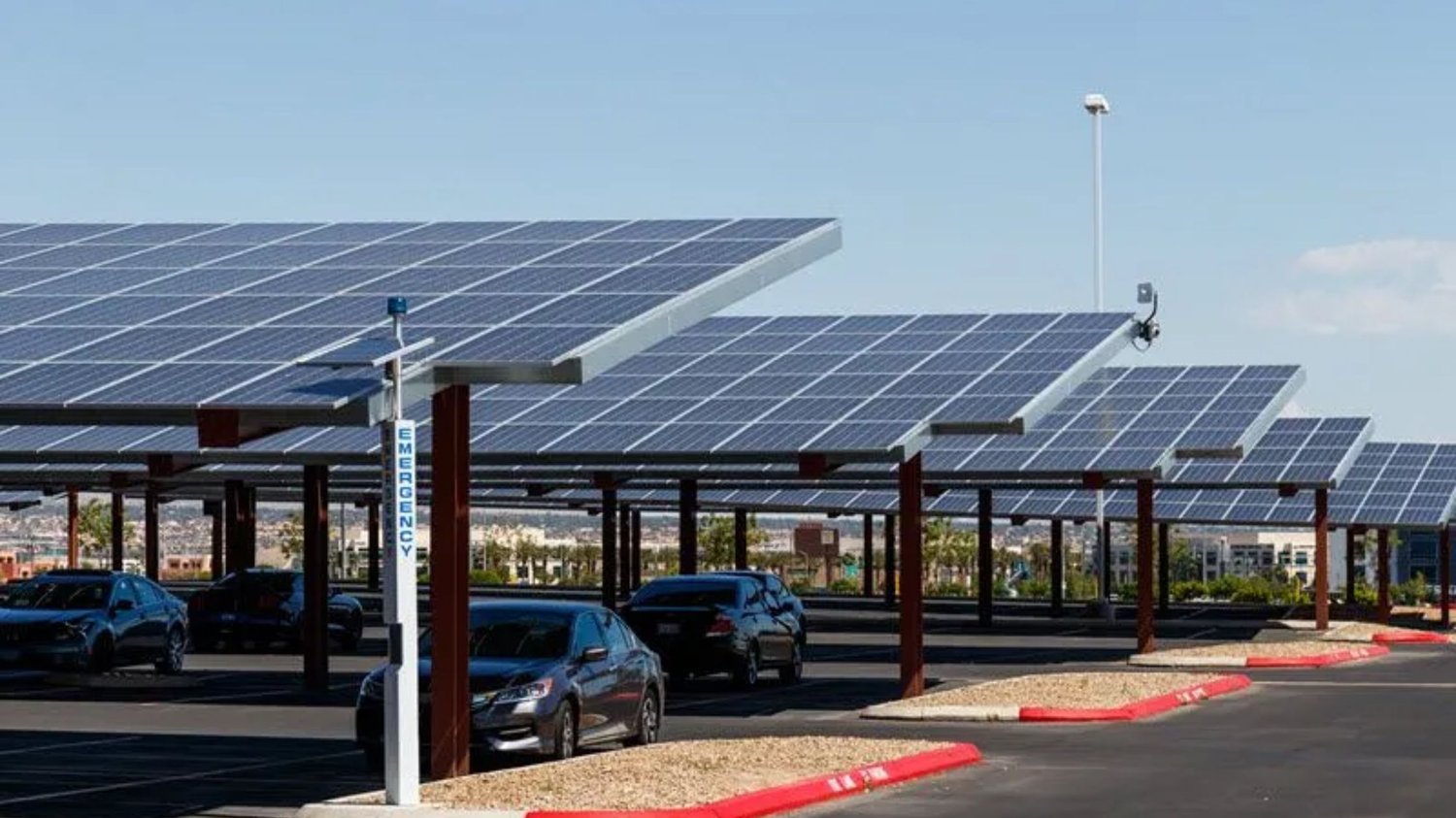
A commercial roof usually has one obvious purpose: protecting people, equipment, and inventory from the weather. For a business with suitable space and electricity needs, it may also become part of the property's energy plan. A carefully designed commercial solar installation can turn unused roof area into a source of on-site electricity.
The strongest projects begin with the way a business operates. A well-planned commercial solar panel installation considers daily power use, roof condition, equipment loads, utility rules, and future plans. This helps owners decide whether solar fits the property instead of treating panels as a one-size-fits-all upgrade.
What Can a Roof Contribute Beyond Shelter?
The first question is whether the building can support an array. Roof age, structural capacity, surface material, orientation, slope, and shading all affect the design. Nearby trees, taller buildings, rooftop equipment, and vents can reduce sunlight or limit usable space.
A site assessment should consider future roof work. Installing panels shortly before a major roof replacement may create avoidable removal and reinstallation costs. Reviewing roof condition early can help coordinate the project with the building's long-term upkeep.
How Should Solar Generation Fit a Business Day?
A business's operating schedule is central to system planning. Offices may use substantial electricity during daylight hours, while warehouses rely on lighting, refrigeration, ventilation, or material-handling equipment. Farms, schools, and manufacturers have their own usage patterns.
Utility bills and interval data help show when electricity is consumed and when demand rises. Solar production is usually strongest during daylight, so a business that uses power during those hours may consume more of its own generation as it is produced.
Output and consumption may not always line up. Evening operations, overnight refrigeration, or seasonal shifts can create a gap. Battery storage, load scheduling, or a grid connection may help address different needs, depending on system design and utility rules.
Can Solar Help Manage Electricity Costs?
Solar can reduce the amount of electricity a business purchases from its utility, but the result depends on the local rate structure. Some commercial bills include demand charges based on the highest level of power drawn during a billing period. A solar array may lower grid use during sunny hours, but it does not automatically eliminate a demand charge.
The timing of a facility's peak demand matters. If the highest load occurs after sunset or during cloudy weather, solar alone may have limited effect on that peak. Storage or changes to equipment schedules may help, but each option needs a site-specific financial review.
The market continues to show commercial activity. The Solar Energy Industries Association and Wood Mackenzie reported that U.S. commercial solar added 554 megawatts of direct-current capacity in the third quarter of 2025, a 9% increase from the same quarter in 2024. The segment includes commercial, industrial, agricultural, school, government, and nonprofit customers.
What Should Owners Review Before Approving a Project?
A useful proposal should explain system size, estimated annual production, equipment selection, and the assumptions behind its savings forecast. It should also identify electrical upgrades, permitting, utility interconnection, and any limits on exporting excess electricity.
Owners should ask how the system will be monitored and who will handle troubleshooting. Inverter alerts, production changes, damaged wiring, or new shading can affect output. A clear maintenance plan helps the business understand what routine checks and service may be needed.
Financial options deserve equal attention. Direct ownership and a power purchase agreement can have different cash-flow and responsibility implications. Review the agreement term, electricity pricing, equipment ownership, and end-of-term conditions before deciding.
How Can Solar Become a Long-Term Facility Asset?
A solar array should be evaluated as part of the building's wider infrastructure. The best fit is not necessarily the largest system, but one that matches the site's physical limits, consumption profile, utility arrangement, and operating plans. Good design can leave room for future additions such as battery storage or electric vehicle charging.
Rocknoll Energy Systems provides commercial solar solutions, including commercial solar installation and commercial solar panel installation, as well as commercial solar power purchase agreements and related energy services. Businesses considering a project can begin by reviewing site conditions, electricity use, and available system options before deciding how solar may fit their facility.