
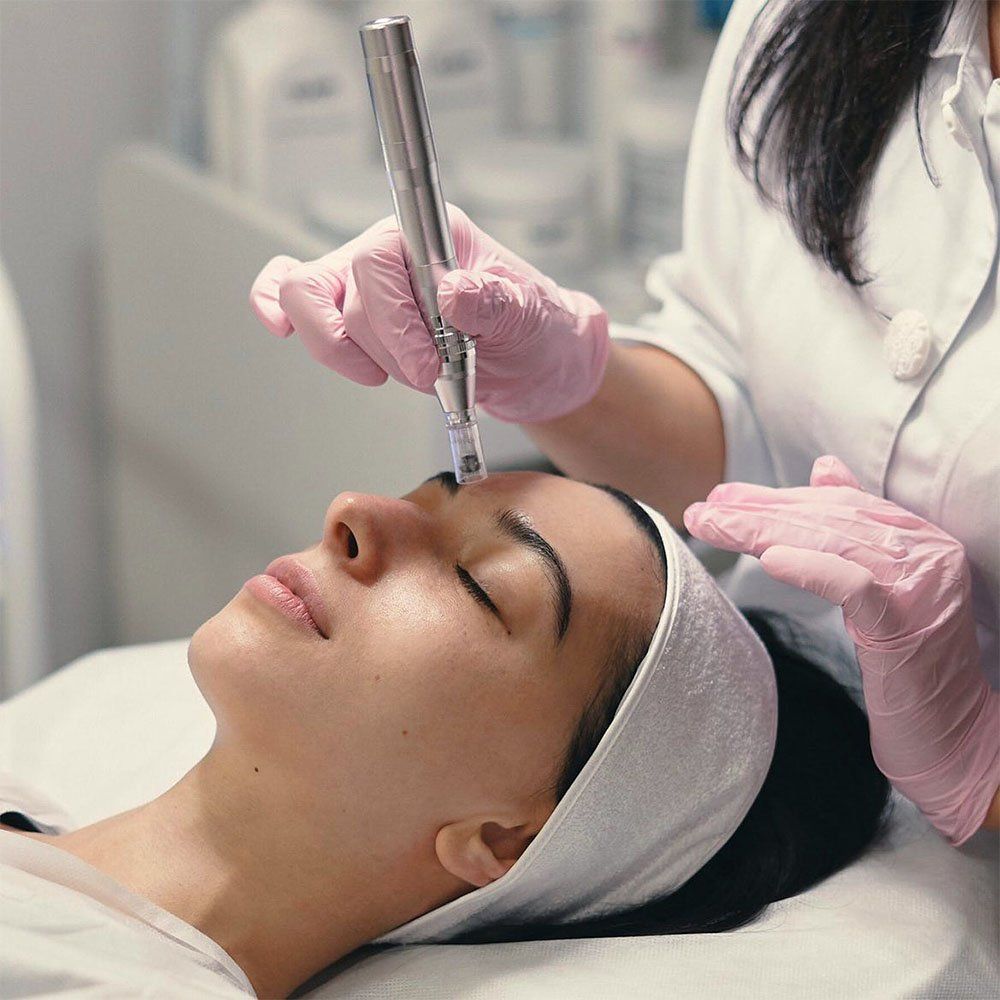
In the evolving world of skincare, one tool has quietly risen to the top of every beauty enthusiast’s wishlist – the Derma pen. With promises of smoother skin, reduced scars, and a youthful glow, it's no surprise that even beginners are eager to give this device a try. But with so many options on the market, choosing the right Derma pen for beginners in 2025 can be overwhelming. This comprehensive guide will walk you through everything you need to know to get started confidently and safely.
What Is a Derma Pen?
The Derma pen is a microneedling device designed to rejuvenate the skin by creating micro-injuries that stimulate the body’s natural healing process. It promotes collagen and elastin production—two essential components for healthy, youthful skin. Unlike older dermaroller models, the pen offers more precision and less discomfort, making it ideal for targeted areas like under the eyes or around the lips.
How Does a Derma Pen Work?
The pen operates using fine, sterilized needles that move up and down rapidly, puncturing the skin’s surface. These tiny wounds are controlled and safe, prompting your body to repair itself by producing new skin cells. Over time, this reduces the appearance of acne scars, fine lines, wrinkles, and even stretch marks. Some pens come with adjustable needle depths, making them customizable for different skin types and treatment areas.
Why Beginners Should Choose a Derma Pen
Starting your skincare journey with a Derma pen has several advantages. First, it’s beginner-friendly when used properly. It gives you control over intensity and depth, helping you start slow and build confidence. Secondly, results are visible in a few sessions with consistent use, which keeps motivation high. Lastly, it’s a cost-effective alternative to in-clinic microneedling sessions while offering comparable results over time.
What to Look for in a Beginner-Friendly Derma Pen
Choosing the right tool is essential. Here are key features beginners should consider:
Adjustable Needle Depth
This allows users to fine-tune the treatment based on the area being targeted and skin sensitivity. Beginners should start with the shallowest depth for safety.
Speed Settings
Multiple speed options give more control, making the experience gentler for new users.
Cordless Design
A wireless, rechargeable model is easier to handle and maneuver, especially for first-time users.
Replaceable Needle Cartridges
Always go for a model with easy-to-change, disposable needle heads to ensure hygiene and safety.
Ergonomic Grip
A lightweight, well-designed grip reduces hand fatigue during longer sessions, allowing for more precise application.
Top Recommended Derma Pens for Beginners (2025 Picks)
1. GlowPro SkinStart Derma Pen
- Adjustable depth: 0.25mm to 2.0mm
- Five-speed control
- Lightweight, cordless design
- Ideal for facial use and sensitive skin
2. SmoothSkin Microneedle Pen Pro
- Digital display for easy tracking
- Quiet motor and fast needle motion
- Anti-slip design for better grip
- Medical-grade needle cartridges
3. RejuvePen M1 Starter Kit
- Plug-and-play setup
- Pre-set beginner mode
- Durable build with minimal vibration
- Great for acne scar treatment
These beginner-friendly pens are reliable and designed for ease of use without sacrificing performance.
Safety Tips for First-Time Users
Before diving in, here are some crucial tips to follow:
Start with Clean Skin
Always cleanse your face thoroughly and remove any makeup or oils. Bacteria on the skin can cause post-treatment irritation or infection.
Use the Right Needle Depth
Stick to shallow settings (0.25mm–0.5mm) when starting out. It’s safer and still effective for boosting product absorption and glow.
Disinfect Your Device
Use alcohol wipes to clean the needle cartridge before and after use. Never reuse cartridges.
Apply a Serum Post-Treatment
Use a calming, hydrating serum rich in hyaluronic acid to soothe the skin after microneedling. Avoid active ingredients like retinol for 24–48 hours.
Space Out Sessions
Give your skin time to heal. Once every 10–14 days is a good frequency for beginners.
Common Skin Concerns Derma Pens Can Help With
Acne Scars
Over time, consistent use of the pen can break down scar tissue and stimulate new cell turnover.
Fine Lines & Wrinkles
Microneedling boosts collagen, which firms and smoothens aging skin.
Enlarged Pores
Tightened skin leads to a more refined texture and visibly smaller pores.
Hyperpigmentation
Improved cell turnover evens out skin tone and reduces dark spots gradually.
Mistakes to Avoid as a Beginner
- Don’t press too hard; let the pen glide over the skin.
- Avoid sensitive areas like eyelids.
- Never use on active acne or broken skin.
- Don’t skip aftercare—this is just as important as the microneedling itself.
- Never share your pen or cartridges.
When to Expect Results
Results aren't instant but are worth the patience. Most users start seeing a visible glow and smoother skin after 3–4 sessions. For deeper concerns like scars or wrinkles, results can take 8–12 weeks of consistent use.
Final Thoughts
For beginners entering the world of at-home microneedling in 2025, the Derma pen offers an exciting, effective, and manageable skincare solution. By choosing a device that suits your needs and following proper safety protocols, you’re setting yourself up for healthier, more radiant skin. It’s not about overnight miracles—but steady progress that you’ll see and feel.
Frequently Asked Questions (FAQs)
How often should beginners use a Derma Pen?
Beginners should start with sessions every 10–14 days to allow the skin to fully heal before repeating the treatment.
Can I use skincare products right after using a Derma Pen?
Yes, but only gentle, hydrating products like hyaluronic acid. Avoid anything with acids, retinol, or strong fragrances for at least 24 hours.
Is it normal to see redness or irritation after using a Derma Pen?
Yes. Mild redness and a tingling sensation are normal and usually fade within 24–48 hours. If irritation persists, stop use and consult a dermatologist.
Can Derma Pen be used on all skin types?
Generally, yes. However, those with very sensitive skin or certain skin conditions (like eczema or rosacea) should consult a professional before use.