
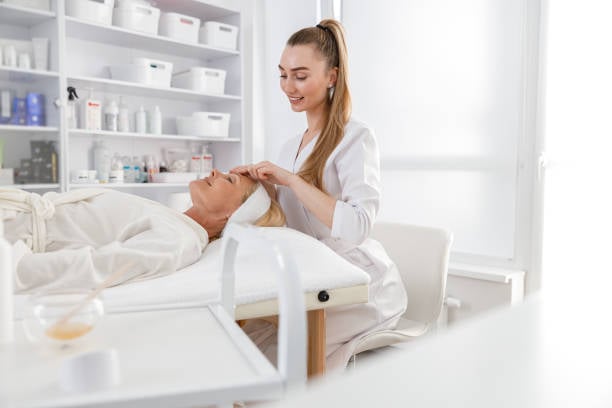
Understanding the Role of Dermatologists
Skin is the body’s largest organ, acting as a protective barrier against environmental damage, bacteria, and harsh weather conditions. A Dermatologist in Riyadh specializes in diagnosing and treating skin, hair, and nail conditions to ensure that this vital organ remains healthy. Their expertise ranges from addressing cosmetic concerns to managing chronic skin diseases that affect quality of life. In Riyadh, dermatologists combine medical science with advanced technology to provide comprehensive care for patients of all ages.
Why Seeing a Dermatologist is Essential
Your skin reflects your overall health. When issues such as persistent acne, severe itching, unusual moles, or rashes appear, a Dermatologist in Riyadh can identify the root cause and recommend effective treatment plans. They not only treat the visible symptoms but also address underlying health factors, ensuring long-term results. Regular check-ups with a dermatologist can prevent minor skin concerns from becoming serious medical problems.
Most Common Skin Conditions Treated in Riyadh
Acne and Acne Scarring
Acne is one of the most common skin concerns, particularly among teenagers and young adults, but it can affect people of any age. Dermatologists in Riyadh treat acne with customized plans that may include topical medications, oral antibiotics, chemical peels, or laser therapy. They also address acne scars using advanced resurfacing techniques to restore smooth and clear skin.
Eczema (Atopic Dermatitis)
Eczema causes inflamed, itchy, and red skin patches that can flare up due to environmental triggers or allergens. Dermatologists provide treatment plans that include moisturizing routines, anti-inflammatory creams, and lifestyle adjustments to reduce flare-ups. In some cases, allergy testing is recommended to pinpoint the cause.
Psoriasis
Psoriasis is a chronic autoimmune skin condition that speeds up the skin cell turnover cycle, leading to thick, scaly patches. Dermatologists in Riyadh often use a combination of phototherapy, oral medications, and biologic treatments to manage symptoms and improve patients’ comfort.
Rosacea
Rosacea causes redness, visible blood vessels, and acne-like breakouts, often on the face. It can worsen with exposure to heat, sun, spicy foods, or stress. Dermatologists create tailored treatment plans to control flare-ups using topical medications, oral antibiotics, and laser therapy for vascular reduction.
Fungal Skin Infections
Warm climates like Riyadh’s can encourage the growth of fungi on the skin, leading to infections such as athlete’s foot, ringworm, or yeast infections. Dermatologists prescribe antifungal creams or oral medication to effectively eliminate these infections and prevent recurrence.
Skin Cancer Screening and Treatment
Dermatologists in Riyadh also play a crucial role in detecting skin cancer early. Skin cancer can develop due to prolonged sun exposure, particularly in sunny climates. Regular screenings help identify suspicious moles or lesions before they become dangerous. Advanced diagnostic tools and minor surgical procedures are used to remove harmful growths while preserving healthy skin.
Cosmetic Dermatology Services
Beyond medical treatments, dermatologists offer cosmetic services to enhance skin appearance. While their primary role is health-focused, many patients seek them for issues like wrinkles, pigmentation, or uneven skin texture. Procedures such as chemical peels, microdermabrasion, dermal fillers, and laser skin rejuvenation are common in Riyadh’s dermatology clinics.
Pediatric Dermatology in Riyadh
Children can develop skin conditions just like adults, but their skin is more delicate and requires gentle care. Pediatric dermatologists treat conditions like birthmarks, eczema, warts, and skin infections in younger patients. Their approach balances effective treatment with safety, ensuring minimal discomfort.
Managing Hair and Scalp Conditions
Dermatologists also treat conditions affecting the scalp, such as dandruff, seborrheic dermatitis, and hair loss. In Riyadh, hair loss treatments are in high demand, and dermatologists may use therapies like platelet-rich plasma (PRP), topical minoxidil, or oral medications to encourage hair growth.
Nail Disorders and Treatments
Nail health is an important indicator of overall health. Dermatologists treat nail fungus, brittle nails, and changes in nail color or shape that might indicate underlying conditions. Early diagnosis prevents long-term nail damage and potential health complications.
Lifestyle and Skin Health in Riyadh
Sun Protection and Climate Considerations
Due to Riyadh’s intense sunlight and dry climate, skin hydration and sun protection are essential. Dermatologists emphasize the use of broad-spectrum sunscreen, protective clothing, and regular moisturizing to combat environmental damage.
Nutrition and Skin Wellness
A balanced diet rich in antioxidants, vitamins, and hydration plays a role in skin health. Dermatologists may guide patients toward dietary choices that support healthy skin from the inside out.
When to See a Dermatologist Immediately
Certain symptoms require prompt medical attention:
- Rapidly changing or bleeding moles
- Severe allergic reactions with swelling
- Painful skin infections
- Unexplained rashes that spread quickly
Seeking early professional help from a Dermatologist in Riyadh ensures better treatment outcomes and reduces the risk of complications.
Preventive Skin Care Advice from Dermatologists
Dermatologists encourage preventive measures such as:
- Regular skin self-examinations
- Consistent use of sunscreen
- Avoiding harsh skin care products
- Staying hydrated
- Scheduling annual dermatology check-ups
The Future of Dermatology in Riyadh
Dermatology in Riyadh is evolving rapidly, with new laser technologies, regenerative treatments, and minimally invasive procedures making skin care more effective and comfortable. As awareness of skin health grows, residents are increasingly seeking professional help for both medical and cosmetic concerns.
FAQs
How often should I visit a dermatologist for a skin check?
It’s recommended to see a dermatologist at least once a year for a full skin examination, or sooner if you notice any unusual skin changes.
Can dermatologists in Riyadh treat both medical and cosmetic concerns?
Yes, most dermatologists in Riyadh are trained to address both medical conditions like eczema and cosmetic concerns such as pigmentation or wrinkles.
What’s the best way to protect skin from Riyadh’s intense sun?
Use broad-spectrum sunscreen with SPF 30 or higher, wear protective clothing, and avoid direct sun exposure during peak hours (10 AM – 4 PM).
Do I need a referral to see a dermatologist in Riyadh?
In most cases, you can directly book an appointment without a referral, although some insurance policies may require one.