
Introduction to Skin Texture and Its Importance
Smooth, radiant skin is a universal symbol of health and beauty. But factors like sun exposure, aging, acne, and pollution can disrupt the skin's natural texture, leaving it uneven, rough, or dull. For people living in Riyadh, where the climate is predominantly hot and dry, these skin concerns are especially common.
Maintaining a healthy skin texture goes beyond applying moisturizers and sunscreens—professional skincare treatments have emerged as reliable solutions. Among them, chemical peels stand out for their ability to rejuvenate the skin from within. This blog explores how Chemical Peels in Riyadh are transforming the skincare scene and helping individuals achieve smoother, clearer skin.
What Are Chemical Peels?
A Scientific Approach to Skin Renewal
Chemical peels are cosmetic treatments that involve applying a solution of acids to the skin to exfoliate the outermost layers. These acids vary in strength and composition, ranging from superficial to deep, depending on the targeted skin issues.
Types of Chemical Peels
- Superficial peels: Use mild acids like alpha-hydroxy acids (AHAs) to gently exfoliate the outer layer of skin. Ideal for mild discoloration and rough skin.
- Medium peels: Use trichloroacetic acid (TCA) to penetrate deeper skin layers and target fine lines, acne scars, and sun damage.
- Deep peels: Use stronger acids like phenol to treat deeper wrinkles, scars, and severe discoloration. These require longer recovery times.
Why Riyadh Residents Are Turning to Chemical Peels
Climate Challenges
Riyadh’s arid climate exposes the skin to constant dehydration and sun damage. The intense UV rays can accelerate aging and cause pigmentation, while dust and pollution clog pores, leading to breakouts and rough skin. This environment creates an ongoing need for deep exfoliation and cell renewal—something chemical peels provide effectively.
Lifestyle Factors
With busy urban lifestyles, people in Riyadh often have limited time for elaborate skincare routines. Chemical peels offer a fast and efficient way to improve skin tone and texture with minimal downtime, making them a preferred choice among professionals and skincare enthusiasts alike.
How Chemical Peels Improve Skin Texture
Exfoliation of Dead Skin Cells
One of the primary benefits of chemical peels is the removal of dead skin cells that accumulate on the surface, causing dullness and rough texture. By chemically exfoliating these cells, peels reveal smoother, fresher skin underneath.
Stimulating Collagen Production
Medium and deep peels stimulate the skin’s natural healing process, which increases collagen production. Collagen is vital for maintaining skin elasticity, firmness, and texture. Enhanced collagen levels can significantly reduce the appearance of fine lines and wrinkles.
Reducing Hyperpigmentation
Uneven skin tone, sunspots, and melasma are common concerns in Riyadh. Chemical peels break down areas of excess pigmentation, leading to a more even skin tone over time. This results in clearer and more uniform skin.
Improving Acne and Acne Scars
Chemical peels help unclog pores and reduce the oiliness that leads to breakouts. In addition, they can fade post-acne scars and marks, refining the skin surface for a smoother finish.
What to Expect During the Procedure
Initial Consultation
A certified dermatologist will assess your skin type, concerns, and goals to recommend the right type of peel. This step ensures safety and efficacy, especially for sensitive or darker skin tones.
Application Process
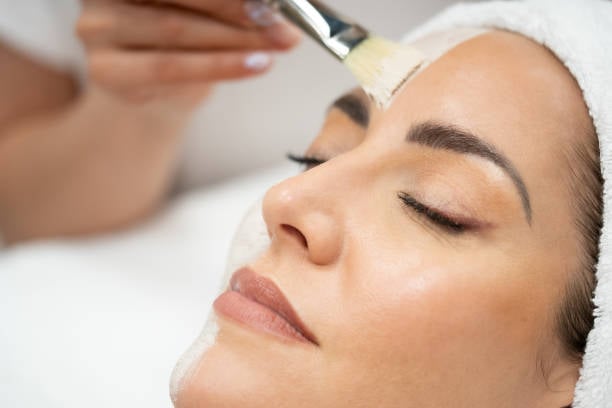
During the procedure, the skin is cleansed and a peeling solution is applied. You may feel a tingling or mild burning sensation, depending on the strength of the peel. The process usually lasts 30 to 60 minutes.
Post-Treatment Care
After the peel, the skin may appear red or flaky for a few days. It is crucial to avoid sun exposure and follow the dermatologist’s aftercare instructions to ensure optimal results and avoid complications.
Who Is a Good Candidate?
Suitable for Various Skin Types
While results can vary, most skin types can benefit from chemical peels when performed under professional supervision. Those with fair to medium skin tones tend to see the best results, but there are tailored peels designed for darker skin as well.
Best for Specific Skin Concerns
Chemical peels are particularly effective for people dealing with:
- Fine lines and wrinkles
- Acne and acne scarring
- Hyperpigmentation
- Uneven skin tone
- Enlarged pores
- Rough skin texture
Safety and Risks
Professional Supervision Matters
In Riyadh, certified dermatologists and trained professionals ensure that chemical peels are applied safely. This minimizes side effects such as irritation, peeling, or hyperpigmentation.
Common Side Effects
Mild redness, dryness, and sensitivity are expected post-treatment and usually resolve within a week. Deeper peels may require longer recovery periods and follow-up sessions.
How Often Should You Get a Chemical Peel?
Personalized Treatment Plans
The frequency of chemical peels depends on the peel type and skin condition. Superficial peels may be repeated every 2 to 4 weeks, while deeper peels might only be needed once or twice a year. A tailored plan ensures long-lasting improvement in skin texture.
Long-Term Benefits of Regular Chemical Peels
Cumulative Results
Repeated treatments enhance skin quality over time. With each session, skin becomes more resilient, radiant, and refined. People who consistently undergo Chemical Peels in Riyadh often report sustained improvements in texture and tone.
Boosting Skincare Product Absorption
Exfoliated skin absorbs serums, moisturizers, and treatments more effectively, making your entire skincare routine more productive.
Alternatives and Complementary Treatments
Combination Therapies
To maximize results, chemical peels are often combined with other treatments such as:
- Microneedling
- Laser therapy
- Hydrafacials
These combinations can target multiple skin concerns simultaneously and accelerate overall improvement.
Natural Skincare Enhancements
Post-peel, maintaining a healthy skincare routine with vitamin C, hyaluronic acid, and broad-spectrum SPF is essential. These products enhance and prolong the results of chemical peels.
Common Myths About Chemical Peels
Myth 1: Peels Are Only for Severe Skin Issues
Even people with mild skin concerns can benefit from chemical peels. There are gentle options available for basic maintenance and glow enhancement.
Myth 2: Peels Damage the Skin
When performed correctly, chemical peels rejuvenate rather than damage the skin. Choosing a qualified professional makes all the difference.
Myth 3: Only Women Get Chemical Peels
Men in Riyadh are increasingly turning to chemical peels for smoother, clearer skin, especially to reduce acne scars and improve shaving results.
FAQs
What is the best time of year to get Chemical Peels in Riyadh?
While chemical peels can be done year-round, the cooler months (October to March) are ideal. Reduced sun exposure during these months lowers the risk of post-peel hyperpigmentation.
How long does it take to see results from a chemical peel?
Results can appear within a few days, especially after superficial peels. For deeper peels, it might take a few weeks as the skin heals and renews.
Are chemical peels safe for sensitive skin?
Yes, when tailored to individual needs. Dermatologists in Riyadh often customize peel strength and ingredients to suit sensitive or reactive skin types.
Can I wear makeup after a chemical peel?
You should avoid makeup for at least 24 to 48 hours after treatment to allow your skin to recover. Always follow your provider’s post-care instructions.
Final Thoughts
In the vibrant and ever-evolving city of Riyadh, taking care of your skin is more than just a luxury—it’s a necessity. Chemical Peels in Riyadh offer a scientifically backed, dermatologist-approved method for restoring smoothness, clarity, and vibrancy to the skin.