
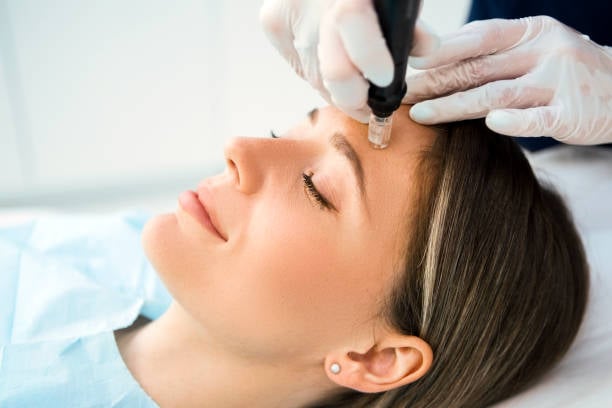
Introduction: Taking the First Step for Your Skin Health
Visiting a Dermatologist in Riyadh for the first time can be both exciting and a little nerve-wracking. Whether you’re dealing with stubborn acne, skin allergies, hair issues, or simply want a professional skin check-up, understanding what to expect can make the process smoother and less stressful.
Why a First Dermatology Visit Matters
Your first appointment sets the foundation for a successful skin health journey. When you consult a Dermatologist in Riyadh, you’re getting access to a specialist who can assess your skin condition, identify potential risks, and recommend personalized treatments. This isn’t just about solving current issues—it’s about preventing future problems and maintaining healthy, radiant skin.
Preparing for Your Dermatology Appointment
Make a List of Your Concerns
Before stepping into the clinic, jot down your skin, hair, or nail concerns. This ensures you don’t forget anything during the consultation.
Gather Your Medical History
Bring details about your past skin issues, allergies, medications, and family history of skin conditions. Dermatologists often rely on these details for accurate diagnoses.
Avoid Heavy Makeup or Skincare Products
Go to your appointment with a clean face so your dermatologist can see your skin’s natural condition without interference.
What Happens During the Consultation
Warm Welcome and Registration
Upon arrival, you’ll fill out forms with your medical details and symptoms. This information helps the dermatologist understand your case better.
Skin Examination
The dermatologist will closely examine your skin under proper lighting. They might use magnifying tools or a dermatoscope to assess problem areas.
Discussion of Concerns
This is your chance to describe symptoms, share how long you’ve had them, and discuss any changes you’ve noticed.
Diagnostic Tests You Might Encounter
Skin Biopsy
If there’s an unusual spot, the doctor may remove a small skin sample for lab testing to rule out serious conditions.
Patch Testing
For suspected allergies, a patch test can help pinpoint what’s causing your skin reaction.
Blood Work
In some cases, internal issues can show up on the skin, and blood tests can reveal underlying causes.
Personalized Treatment Plans
Prescription Medications
Topical creams, gels, or oral medicines may be recommended depending on your diagnosis.
In-Clinic Procedures
These can include chemical peels, laser treatments, or minor surgeries for mole removal and other concerns.
Lifestyle and Skincare Guidance
You may receive customized advice on diet, daily skincare, and habits to avoid for better skin health.
Communication Is Key
A good dermatologist doesn’t just treat; they educate. Feel free to ask questions about your diagnosis, treatment options, and possible side effects. This ensures you’re actively involved in your care plan.
Post-Visit Steps
Follow the Prescribed Routine
Whether it’s medication or skincare products, consistency is vital for visible results.
Book Follow-Up Appointments
Regular check-ups help track progress and make timely adjustments to your treatment plan.
Monitor Changes in Your Skin
Note improvements or any side effects and share them during your next visit.
Common Conditions a Dermatologist in Riyadh Treats
Acne and Breakouts
From teenage acne to adult hormonal breakouts, dermatologists can offer targeted treatments.
Eczema and Psoriasis
Chronic skin conditions require ongoing management and specialized care.
Hair Loss and Scalp Issues
From alopecia to dandruff, these concerns can be addressed with personalized solutions.
Pigmentation Problems
Uneven skin tone, melasma, or dark spots can be improved with the right medical approach.
Tips for Making the Most of Your First Visit
Arrive early to complete paperwork calmly.
Bring any skincare products you currently use for review.
Be honest about lifestyle habits that may affect your skin.
Take notes during the consultation so you remember all recommendations.
Keep an open mind—some treatments take time to show results.
Skincare Myths You Should Ignore
“Natural Products Are Always Safe”
Even natural ingredients can trigger allergies or irritations.
“Tanning Clears Acne”
UV exposure can damage skin and worsen breakouts.
“Expensive Products Guarantee Results”
The price tag doesn’t always match effectiveness—professional guidance matters more.
How Cultural and Environmental Factors in Riyadh Affect Skin Health
Riyadh’s climate—hot summers, dry air, and occasional sandstorms—can influence your skin’s hydration, sensitivity, and overall health. A dermatologist will consider these environmental elements when creating your treatment plan, ensuring it’s tailored to local conditions.
Benefits of Seeing a Specialist Early
- Early detection of skin cancer or other serious conditions
- Prevention of permanent scars from untreated acne
- Professional guidance that avoids trial-and-error skincare
- Tailored solutions instead of generic online advice
FAQs
Do I need a referral to see a dermatologist in Riyadh?
Not usually. You can book directly, but check your insurance requirements if applicable.
What should I wear for my first visit?
Wear comfortable clothing that allows easy examination of the affected areas.
How long does a first dermatology appointment last?
Typically between 20 to 40 minutes, depending on the complexity of your case.
Can my first visit solve my skin problem completely?
In many cases, it’s the start of a treatment journey rather than an instant cure.
Final Thoughts
Your first visit to a Dermatologist in Riyadh is an important investment in your skin’s health and confidence. By preparing ahead, communicating openly, and following your dermatologist’s guidance, you’ll set yourself up for better results and long-term skin wellness. Remember, healthy skin is not just about appearance—it’s a reflection of overall well-being.