

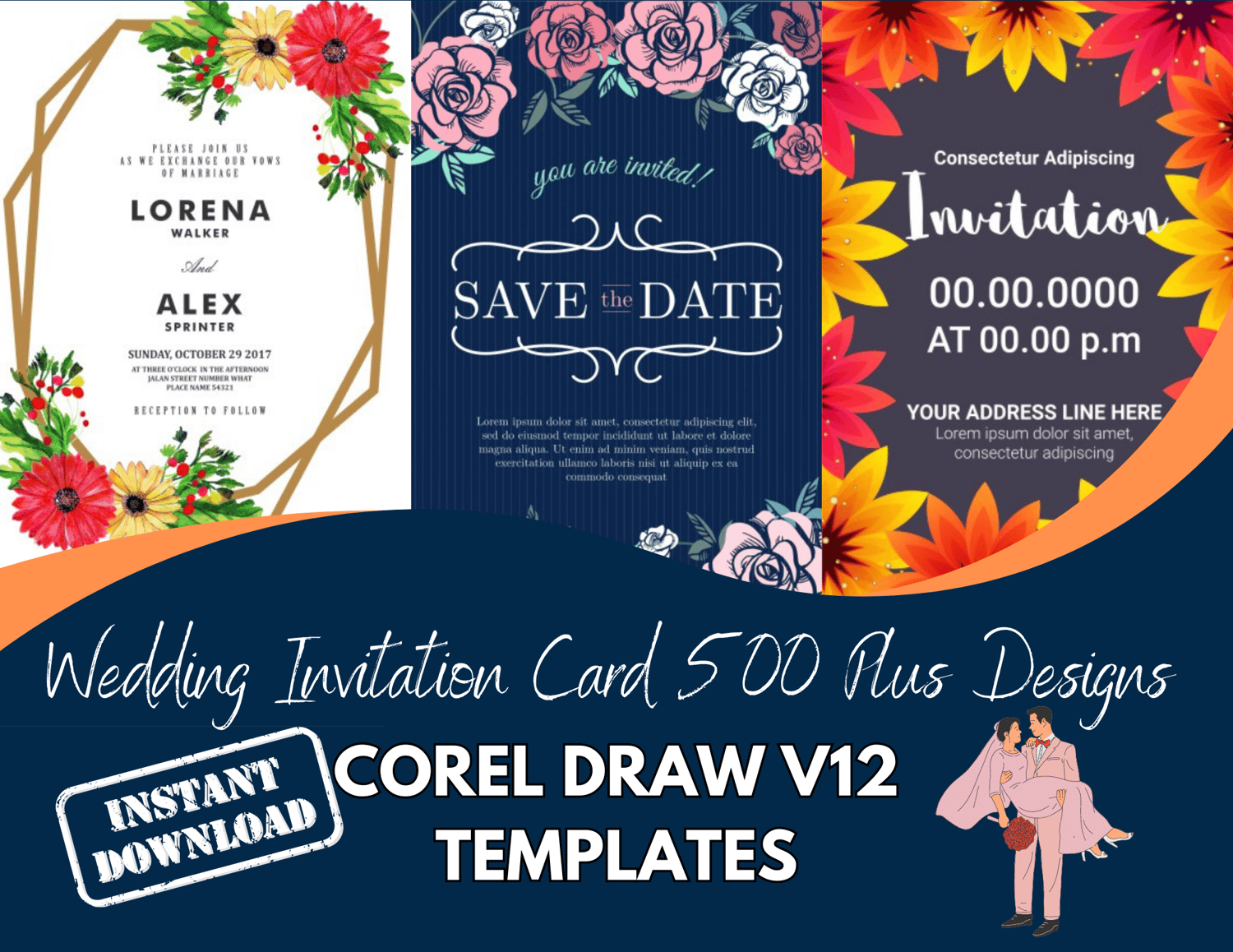
Wedding invitation cards have become an integral part of wedding traditions across various cultures around the world. They serve as a formal announcement and invitation to celebrate the joyous union of two individuals. The practice of sending wedding invitations dates back centuries and has evolved significantly over time. In this article, we will explore the fascinating origin of wedding invitation cards and how they have transformed into the intricate and personalized pieces of art we know today.
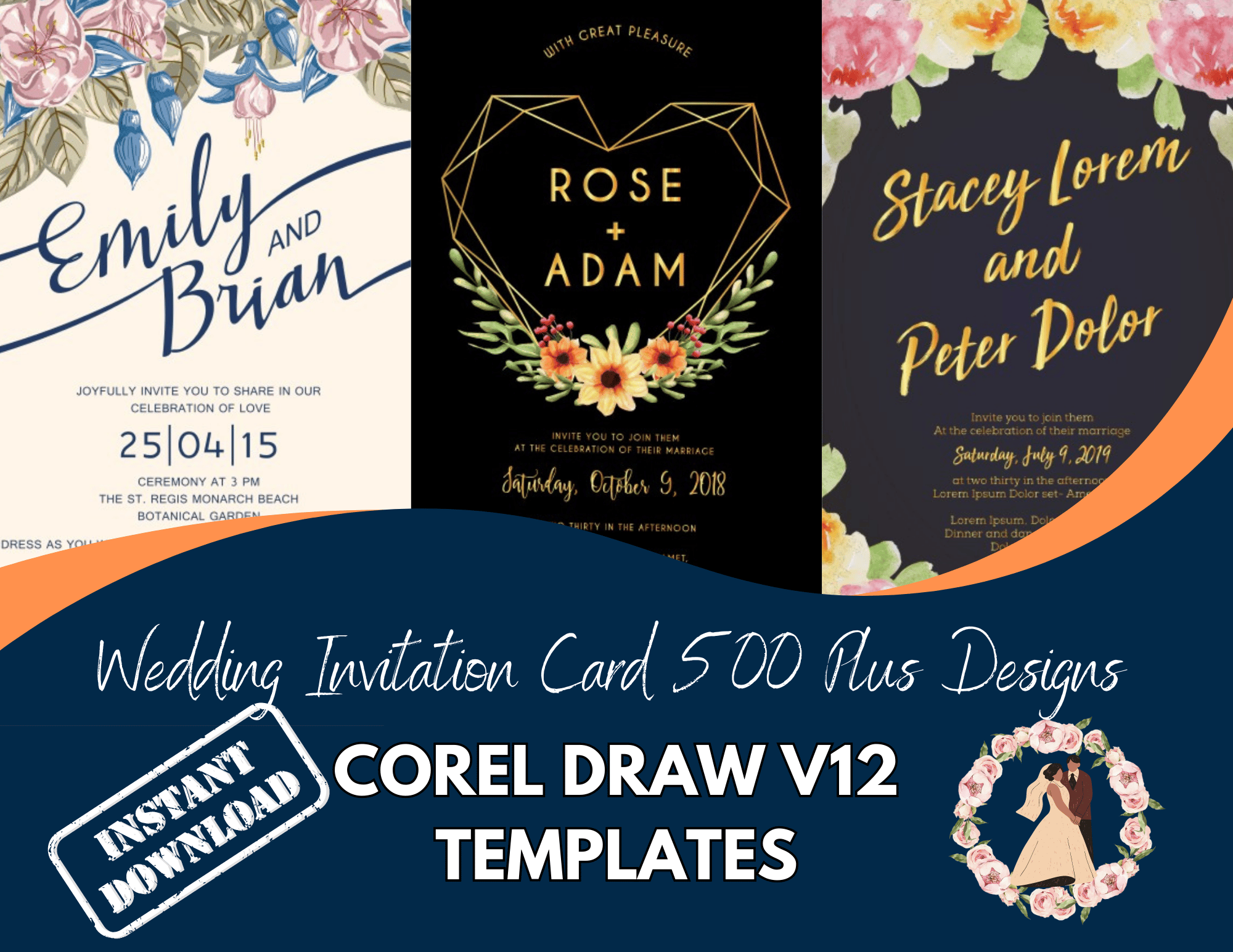
Table of Contents
- Introduction: The Significance of Wedding Invitation Cards
- Early Forms of Wedding Invitations
- Development of Printed Wedding Invitations
- Rise of Customization and Personalization
- Modern Trends in Wedding Invitation Cards
- The Role of Technology in Wedding Invitations
- Etiquette and Wording in Wedding Invitations
- Design Elements and Themes
- Sustainable and Eco-Friendly Wedding Invitations
- Destination Weddings and Unique Invitations
- Wedding Invitation Cards Around the World
- Cultural Influences on Wedding Invitations
- Digital and Virtual Wedding Invitations
- The Future of Wedding Invitation Cards
- Conclusion
1. Introduction: The Significance of Wedding Invitation Cards
Wedding invitation cards hold a special place in the hearts of couples getting married. They are not just pieces of paper but rather symbols of love, commitment, and unity. The tradition of sending formal invitations to weddings can be traced back to ancient civilizations, where handwritten messages were sent to inform friends, family, and acquaintances about upcoming nuptials.
2. Early Forms of Wedding Invitations
In ancient times, wedding invitations were much simpler compared to the elaborate designs we see today. They were often written on papyrus or parchment and were predominantly text-based, lacking the ornate decorations we associate with modern invitations. The purpose of these early invitations was to inform guests about the time, date, and location of the wedding ceremony.
3. Development of Printed Wedding Invitations
The advent of printing revolutionized the world of wedding invitations. With the invention of the printing press in the 15th century, invitations could be produced in larger quantities and with greater consistency. This led to the emergence of printed wedding invitations, which featured intricate designs, decorative motifs, and embossed elements.
4. Rise of Customization and Personalization
As societies became more affluent and diverse, the demand for unique and personalized wedding invitations grew. Couples wanted their invitations to reflect their personalities, preferences, and the overall theme of their wedding. This gave rise to the concept of custom-designed wedding invitations, where couples could work closely with designers to create one-of-a-kind cards that captured the essence of their special day.
5. Modern Trends in Wedding Invitation Cards
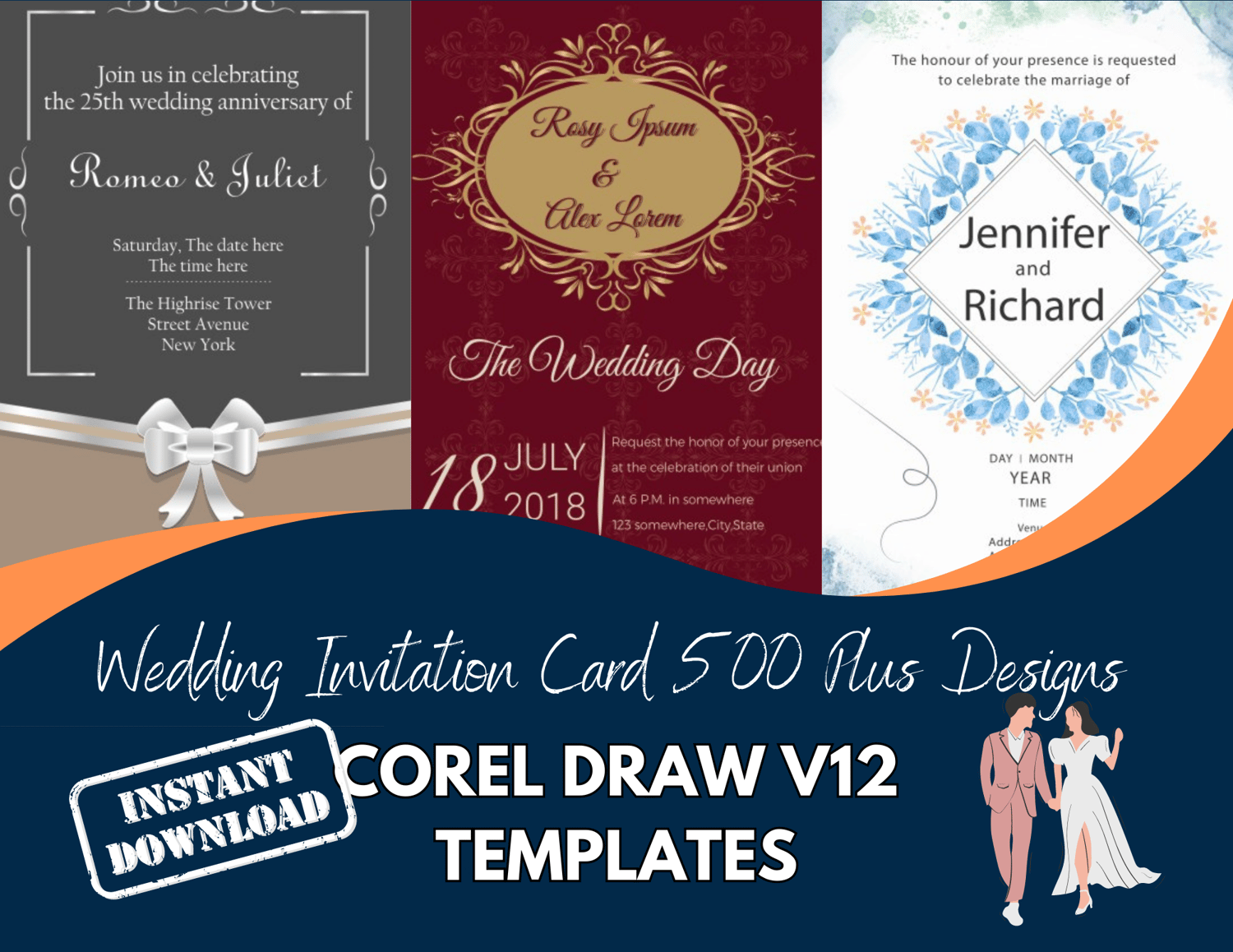
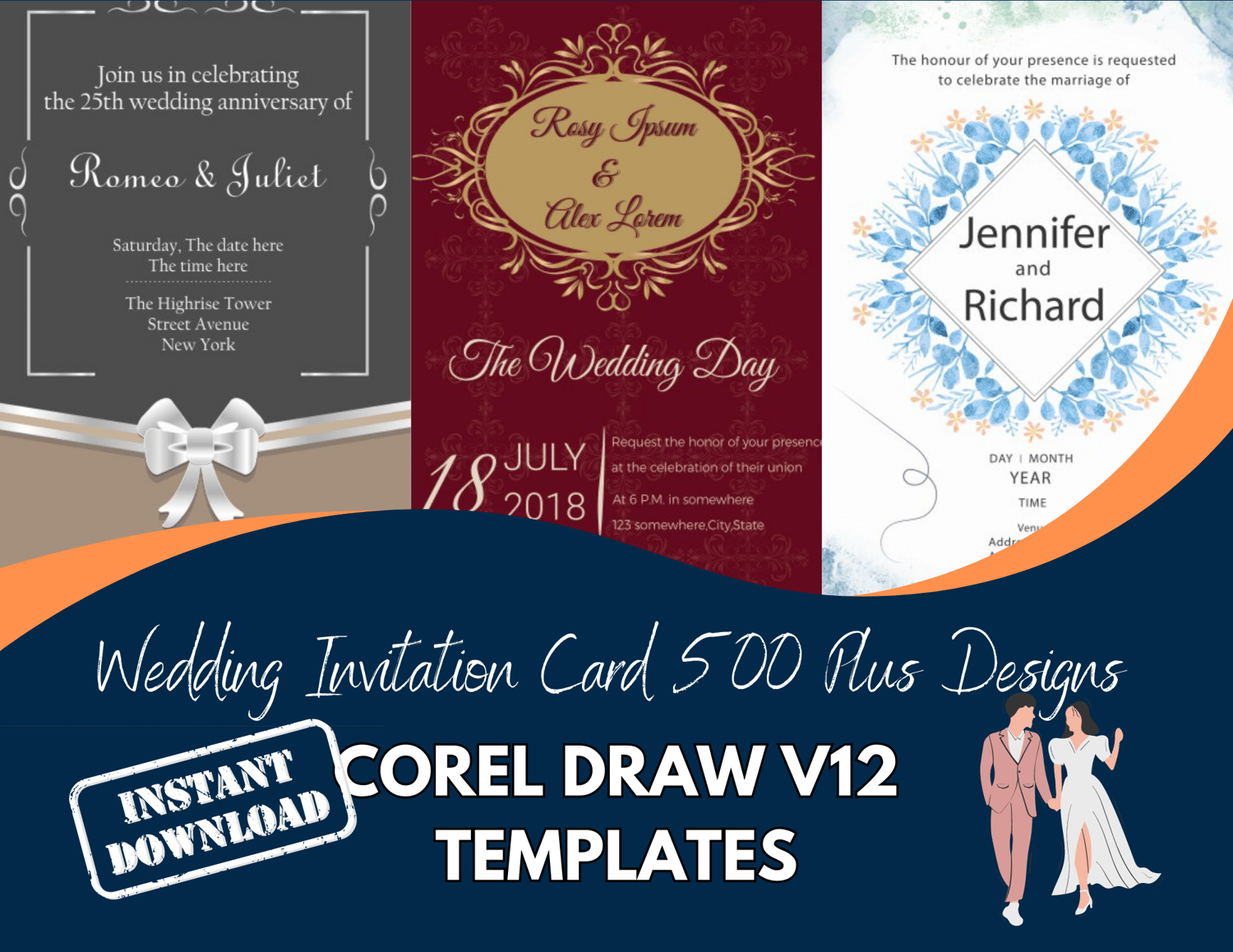
Today, wedding invitation cards have evolved into works of art. They incorporate various design elements, such as calligraphy, watercolor illustrations, foil stamping, laser cutting, and intricate patterns. Modern trends also emphasize minimalistic and contemporary designs, as well as eco-friendly materials and printing techniques.
6. The Role of Technology in Wedding Invitations
Advancements in technology have significantly impacted the wedding invitation industry. Digital platforms and online services now offer couples the option to create virtual wedding invitations, which can be easily shared with guests through email, social media, or wedding websites. These digital invitations allow for multimedia elements, interactive features, and RSVP tracking, simplifying the entire invitation process.
7. Etiquette and Wording in Wedding Invitations
Etiquette and wording play an essential role in wedding invitations. Traditional etiquette dictates the use of formal language, including the names of hosts, bride and groom, date, time, and venue. However, modern couples have the freedom to experiment with creative wording and informal styles that align with their personalities and wedding theme.
8. Design Elements and Themes
Wedding invitation designs can be inspired by a wide range of elements and themes. Nature-inspired motifs, vintage aesthetics, cultural symbols, and even pop culture references are popular choices. The design elements and themes chosen for wedding invitations help set the tone and build anticipation for the wedding celebration.
9. Sustainable and Eco-Friendly Wedding Invitations
In recent years, there has been a growing concern for sustainability and eco-friendliness in wedding planning, including invitation cards. Couples are opting for recycled paper, plantable invitations embedded with seeds, and digital alternatives to minimize their ecological footprint while still announcing their special day.
10. Destination Weddings and Unique Invitations
Destination weddings have gained popularity, leading to unique and creative invitation designs. From beach-themed invitations for tropical weddings to passport-style invitations for international affairs, couples are finding innovative ways to capture the spirit of their chosen wedding location.
11. Wedding Invitation Cards Around the World
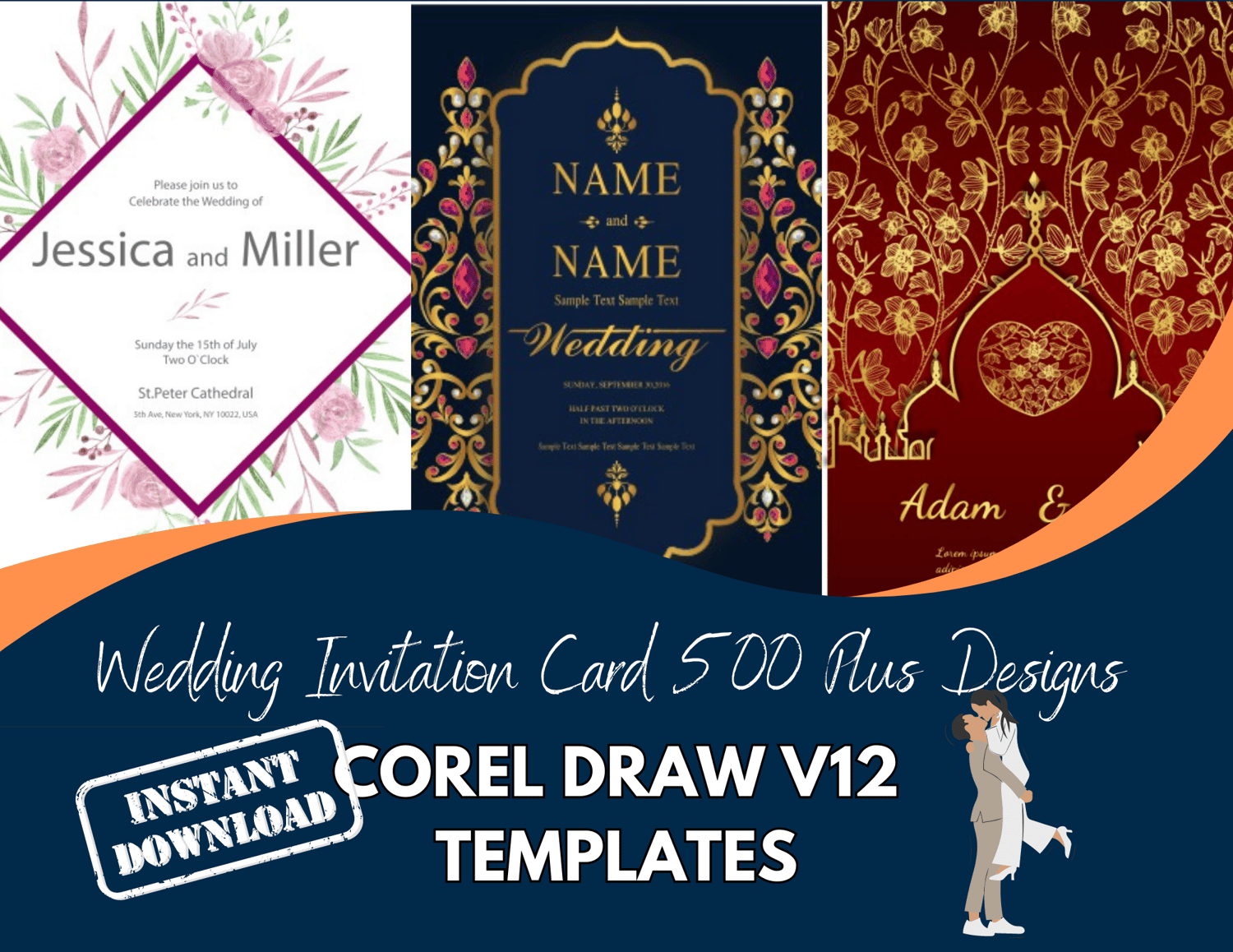
Wedding invitation customs and traditions vary greatly across different cultures and regions. From intricate Indian wedding invitations adorned with vibrant colors and patterns to traditional Chinese red and gold invitations symbolizing luck and prosperity, each culture adds its own unique touch to wedding invitation cards.
12. Cultural Influences on Wedding Invitations
Cultural influences play a significant role in shaping the design and content of wedding invitations. Whether it's the use of traditional symbols, religious motifs, or specific colors with symbolic meanings, wedding invitations reflect the cultural heritage and values of the couple and their families.
13. Digital and Virtual Wedding Invitations
With the rise of technology and the need for flexibility, digital and virtual wedding invitations have become popular alternatives to traditional paper invitations. These digital invitations offer convenience, cost-effectiveness, and the ability to include multimedia elements such as videos, animations, and photo galleries.
14. The Future of Wedding Invitation Cards
As we look ahead, the future of wedding invitation cards seems to lie in a blend of traditional and modern approaches. While printed invitations will continue to be cherished for their tangible nature and sentimental value, digital and virtual invitations will become more prevalent, allowing couples to embrace technology while maintaining the personal touch that comes with physical cards.
15. Conclusion
Wedding invitation cards have come a long way from simple handwritten messages to intricate, personalized works of art. They are an essential part of the wedding journey, symbolizing the love, commitment, and unity of the couple. With ever-evolving trends, technological advancements, and cultural influences, wedding invitations will continue to evolve, reflecting the unique stories and personalities of the couples they represent.
FAQs
1. Can I design my own wedding invitation cards?
Absolutely! Many couples opt to design their own wedding invitation cards to reflect their personal style and preferences. With the help of online design tools and professional printers, you can bring your creative vision to life.
2. How far in advance should wedding invitations be sent?
It is generally recommended to send out wedding invitations 6 to 8 weeks before the wedding date. This gives guests ample time to RSVP and make necessary arrangements to attend the celebration.
3. Are digital wedding invitations considered tacky?
Not at all! Digital wedding invitations offer convenience and flexibility. They are especially popular for destination weddings or when couples have a large number of guests spread across different locations. Just make sure to choose a design that reflects the formality and style of your wedding.
4. How can I make my wedding invitations eco-friendly?
To make your wedding invitations eco-friendly, consider using recycled paper or opting for plantable invitations embedded with seeds. You can also minimize the use of paper by opting for digital invitations or using a combination of digital and printed formats. Additionally, choose printing techniques and materials that are environmentally friendly, such as soy-based inks and sustainable paper sources.
5. What information should be included in a wedding invitation?
A wedding invitation should include essential information such as the names of the hosts (if applicable), the names of the bride and groom, date, time, and location of the wedding ceremony and reception. It is also common to include RSVP details, accommodation information, and any additional instructions or requests for the guests.
Comments ()