
Cancer treatment requires a combination of medical expertise, advanced technology, and compassionate patient care. Finding the right Medical Oncology Hospital In Bangalore can make a significant difference in diagnosis, treatment outcomes, and overall patient experience. Bangalore has become one of India's most respected healthcare destinations, offering comprehensive oncology services, highly qualified specialists, and innovative treatment options for various forms of cancer.
Understanding the Importance of Medical Oncology
Medical oncology is a specialized field of medicine that focuses on treating cancer through medications and systemic therapies. Medical oncologists diagnose cancer, develop treatment strategies, and monitor patients throughout their treatment journey. Their expertise allows them to recommend therapies such as chemotherapy, immunotherapy, targeted therapy, and hormone therapy based on the type and stage of cancer.
Advancements in oncology have transformed cancer treatment by introducing more effective and personalized therapies. These developments have improved survival rates while helping patients maintain a better quality of life during and after treatment.
Why Bangalore Is a Preferred Choice for Cancer Treatment
Bangalore is known for its world-class healthcare infrastructure and access to experienced medical professionals. The city attracts patients from across India and international locations who seek specialized cancer care and advanced treatment solutions.
The presence of modern hospitals, cutting-edge diagnostic technologies, and multidisciplinary treatment teams makes Bangalore a leading destination for oncology services. Patients benefit from comprehensive care programs that address every aspect of cancer diagnosis, treatment, and recovery.
Advanced Diagnostic Services
Accurate diagnosis is the foundation of successful cancer treatment. Leading oncology hospitals in Bangalore provide advanced diagnostic services that help identify cancer at an early stage and determine the most effective treatment approach.
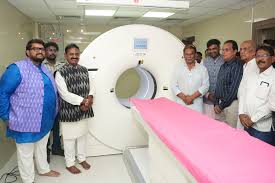
These services include imaging technologies such as CT scans, MRI scans, PET scans, pathology testing, molecular diagnostics, and genetic profiling. By understanding the unique characteristics of each cancer case, specialists can create highly targeted treatment plans that improve outcomes and reduce unnecessary interventions.
Modern Cancer Treatment Options
Today's oncology hospitals offer a wide range of treatment options designed to meet the specific needs of each patient. Depending on the diagnosis, treatment may include chemotherapy, targeted therapy, immunotherapy, hormone therapy, or a combination of approaches.
Many modern therapies focus on attacking cancer cells while minimizing damage to healthy tissues. This precision helps reduce treatment-related side effects and enhances overall effectiveness. Continuous innovation in cancer care has provided new hope for patients facing complex and challenging diagnoses.
Personalized Treatment Planning
Every cancer patient is unique, which is why personalized care has become a cornerstone of modern oncology. Specialists evaluate factors such as cancer type, stage, medical history, genetic markers, and overall health before developing a treatment strategy.
Personalized treatment plans are designed to maximize therapeutic benefits while considering the patient's specific needs and preferences. This individualized approach often leads to better outcomes and a more positive treatment experience.
Multidisciplinary Approach to Care
Cancer treatment often requires collaboration among multiple healthcare professionals. Medical oncologists work closely with surgical oncologists, radiation oncologists, radiologists, pathologists, nutritionists, and rehabilitation specialists to provide comprehensive care.
A multidisciplinary approach ensures that every aspect of a patient's condition is carefully evaluated. Regular team discussions and treatment reviews help specialists develop coordinated care plans that address both medical and supportive care requirements.
Supportive Care and Rehabilitation
Cancer treatment can affect patients physically, emotionally, and psychologically. Leading oncology hospitals recognize the importance of supportive care services that help patients manage these challenges throughout their treatment journey.
Supportive services may include nutritional counseling, pain management, physiotherapy, mental health support, palliative care, and rehabilitation programs. These services help improve quality of life and provide patients with the resources needed to navigate treatment successfully.
Family counseling and educational programs also play a vital role in helping caregivers support their loved ones during treatment and recovery.
Choosing the Right Oncology Hospital
Selecting the Best Medical Oncology Hospital In Bangalore involves evaluating several important factors, including specialist expertise, treatment technologies, patient support services, and overall hospital reputation. Patients should seek hospitals that offer comprehensive cancer care programs and a strong commitment to personalized treatment.
Access to experienced oncologists and advanced treatment facilities can greatly influence treatment outcomes and patient satisfaction. A hospital that prioritizes innovation, safety, and compassionate care can provide patients with confidence throughout their cancer journey.
Conclusion
Cancer care requires expertise, innovation, and a patient-centered approach. Bangalore continues to be a leading destination for oncology treatment, offering access to advanced medical technologies and experienced cancer specialists. With personalized treatment plans, multidisciplinary care teams, and comprehensive support services, oncology hospitals in Bangalore help patients receive the highest standard of care and improve their chances of successful recovery and long-term well-being.