
Introduction
In today’s fast-paced, competitive marketplace, digital marketing for small businesses has become more than just an option—it’s a necessity. Small business owners face unique challenges, such as limited budgets and the need to compete with larger brands. However, with the right digital marketing strategies, small businesses can boost visibility, attract more customers, and grow sustainably. This article explores eight of the best strategies tailored for small business owners who want to maximize their online presence and stay ahead of the competition.
1. Build a User-Friendly Website
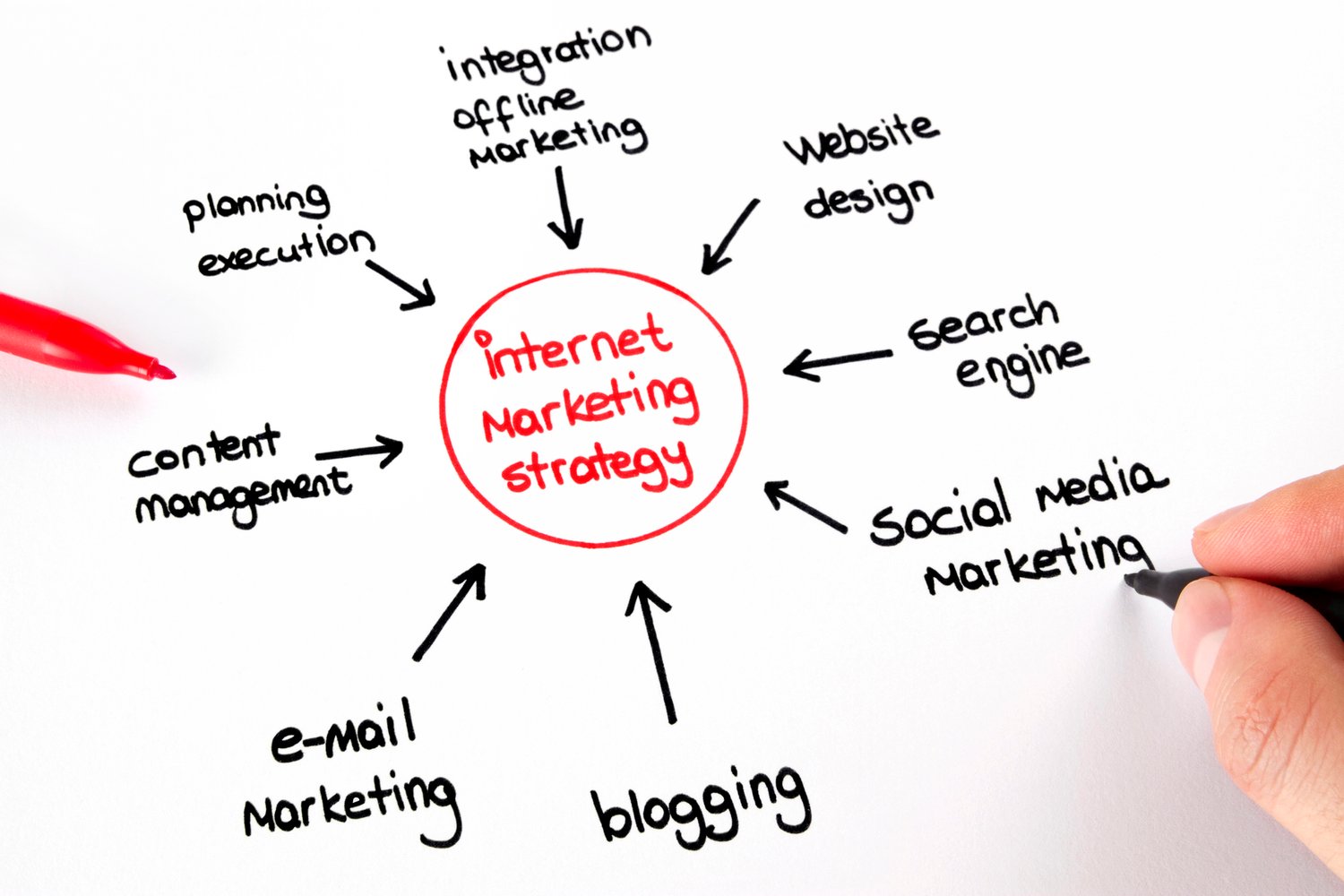
Your website is the digital storefront of your business. A clean, responsive, and user-friendly design creates a strong first impression. Small businesses should focus on mobile responsiveness, fast loading times, and clear navigation. Integrating calls-to-action (CTAs) such as “Book Now” or “Shop Today” helps convert visitors into customers.
2. Optimize for Search Engines (SEO)
Search engine optimization is at the core of digital marketing for small businesses. By targeting relevant keywords, optimizing on-page content, and building quality backlinks, small businesses can rank higher in search results. Local SEO is especially important—claiming your Google Business Profile ensures nearby customers can easily find your services.

3. Leverage Social Media Marketing
Social media platforms are powerful tools for connecting with your audience. Platforms like Facebook, Instagram, and LinkedIn help small businesses showcase products, share updates, and engage with followers. Running paid ads on social platforms is also an affordable way to expand reach and drive sales.
4. Invest in Content Marketing
Content is the backbone of digital marketing. Blogs, videos, infographics, and eBooks allow small businesses to provide value, answer customer questions, and build authority. Regularly publishing relevant content not only drives organic traffic but also positions your brand as a trusted expert in your industry.
5. Utilize Email Marketing Campaigns
Email marketing remains one of the most cost-effective strategies for small businesses. Building a subscriber list allows you to nurture leads and stay connected with existing customers. Personalized emails with discounts, product updates, or valuable tips help build loyalty and encourage repeat business.
6. Explore Pay-Per-Click (PPC) Advertising
PPC campaigns, such as Google Ads, offer small businesses a chance to target specific audiences quickly. By bidding on relevant keywords, your business can appear at the top of search results, driving immediate traffic and leads. With careful budget management, PPC can deliver a strong return on investment.

7. Focus on Online Reviews and Reputation Management
Customer trust is critical for small businesses. Encouraging satisfied clients to leave reviews on Google, Yelp, or industry-specific platforms helps build credibility. Responding to both positive and negative feedback demonstrates professionalism and commitment to customer satisfaction.
8. Use Analytics to Measure Success
Tracking results is essential to refining your strategy. Tools like Google Analytics and social media insights help small businesses understand customer behavior, campaign performance, and return on investment. By analyzing data, owners can make informed decisions and allocate budgets more effectively.
Conclusion
Implementing the right digital marketing for small businesses strategies can help entrepreneurs compete with larger brands, attract loyal customers, and achieve sustainable growth. From SEO and content creation to social media and PPC, each tactic contributes to building a strong online presence. For small business owners ready to take their digital marketing efforts to the next level, partnering with experts like SEmonks ensures access to proven strategies, professional insights, and measurable results that drive long-term success.