
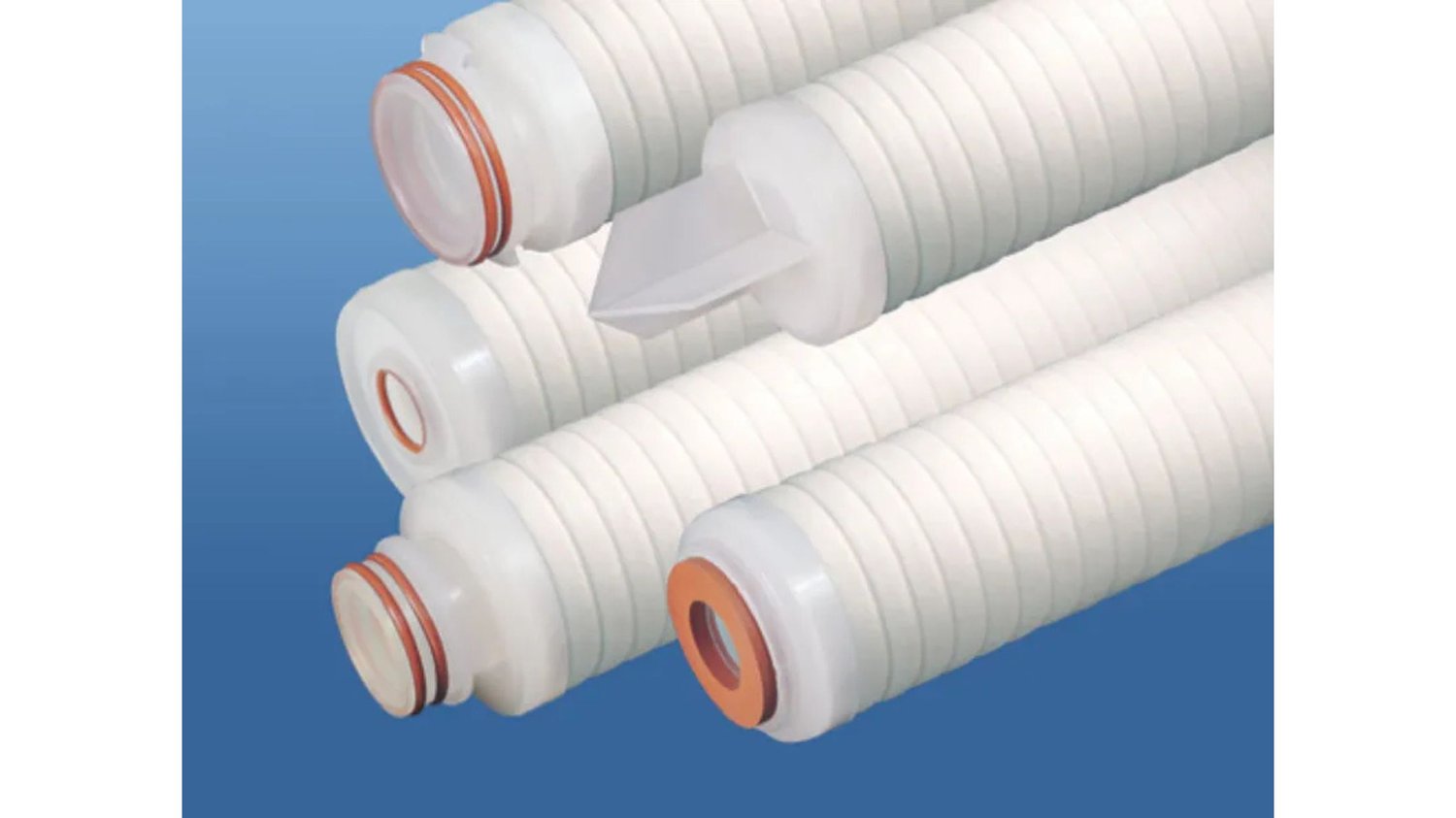
Wine today faces higher expectations than ever. Drinkers want clear pours, steady flavor, and bottles able to travel far without trouble. A single flaw can ruin the vibe. Early in the process, Wine Filtration Systems play a quiet but powerful role. Clean wine looks better. Clean wine tastes right. Clean wine lasts longer. Modern winemaking depends on smart filtration to keep every batch smooth and dependable from tank to table.
The Real Job of Filtration in Wine
Filtration does more than polish the final look. It removes unwanted particles left behind after fermentation. Yeast, haze, and microbes can mess with aroma and texture. Worse, they can spoil wine over time. A solid filtration setup helps control these risks. It keeps the flavor stable. It also helps winemakers avoid heavy additives later. Fewer surprises show up in the bottle. Fewer returns come back from shelves.
Clarity Builds Trust
Wine often gets judged by looks first. Cloudy wine raises eyebrows. Clear wine feels safe. Filtration gives wine a bright, clean appearance without stripping personality. Clear wine also sells better. Restaurants want to earn customers' trust. Retail buyers want bottles looking sharp under store lights. Filtration helps meet both goals without drama.
Flavor Protection without the Drama
Poor filtration can flatten taste. Smart filtration preserves character. Modern systems focus on balance. The goal stays simple. Remove what harms the wine. Leave what gives it soul.
Gentle filtration protects mouthfeel and aroma. Controlled flow rates matter. Media choice matters. A rushed process can harm. A thoughtful one keeps wine expressive and honest.
Better Stability Over Time
Wine travels. Wine waits. Wine sits on shelves. Stability keeps wine from changing along the way. Filtration lowers the chance of re-fermentation or spoilage inside sealed bottles.
Stable wine means fewer recalls. Fewer unhappy customers. Fewer losses. Peace of mind carries real value in modern production.
Modern Technology Raises the Bar
Older filtration methods worked but lacked finesse. New designs bring better control. Precision matters more now due to tighter quality standards. Advanced setups allow winemakers to dial in results. Flow, pressure, and pore size stay consistent. Wine stays protected at every step. Equipment no longer feels like a blunt tool. It feels like a fine instrument.
Why Spiral Ultrafiltration Gets Attention
One standout option involves spiral ultrafiltration modules. These systems handle delicate separation jobs with care. They remove microbes and proteins while keeping flavor intact.
They also save space. Their design allows a high surface area inside compact housings. Cleaning becomes easier. Downtime drops. Efficiency climbs. spiral ultrafiltration modules shine in wineries seeking precision. They fit well into modern workflows. They also support consistent output across batches.
Efficiency Helps the Bottom Line
Good filtration reduces waste. It shortens processing time. It cuts down on rework. All of this protects margins. Energy use drops with efficient systems. Water use improves with cleaner cycles. Less wine gets lost during processing. Over time, savings add up without cutting corners.
Two Key Benefits Worth Noting
Improved Product Confidence
- Cleaner wine earns trust fast
- Fewer defects reach customers
Operational Flexibility
- Systems adapt to different wine styles
- Production scales without stress
Filtration Supports Consistency
Consistency matters in modern winemaking. Drinkers expect the same taste every time. Filtration helps deliver repeatable results. Each batch meets the same standard. Seasonal changes still affect grapes. Filtration smooths those swings. It keeps brand identity steady across vintages.
Matching Systems to Wine Style
No single setup fits all wines. Light whites need gentle handling. Bold reds require careful clarity control. Sweet wines bring unique challenges. Smart producers tailor filtration to style. Depth filters, membranes, and spiral ultrafiltration modules each serve a purpose. Choosing wisely keeps wine honest to its roots.
Two More Practical Advantages
Shelf Life Control
- Reduced spoilage risk
- Longer market reach
Process Reliability
- Predictable outcomes
- Fewer emergency fixes
Final Thoughts
Modern winemaking blends art with science. Filtration sits right in the middle. Done right, it protects flavor, clarity, and stability without stealing character. Wine Filtration Systems no longer feel optional. They feel essential. Smart choices in filtration support quality today and reputation tomorrow. Wine stays true. Drinkers stay happy. Everybody wins.