
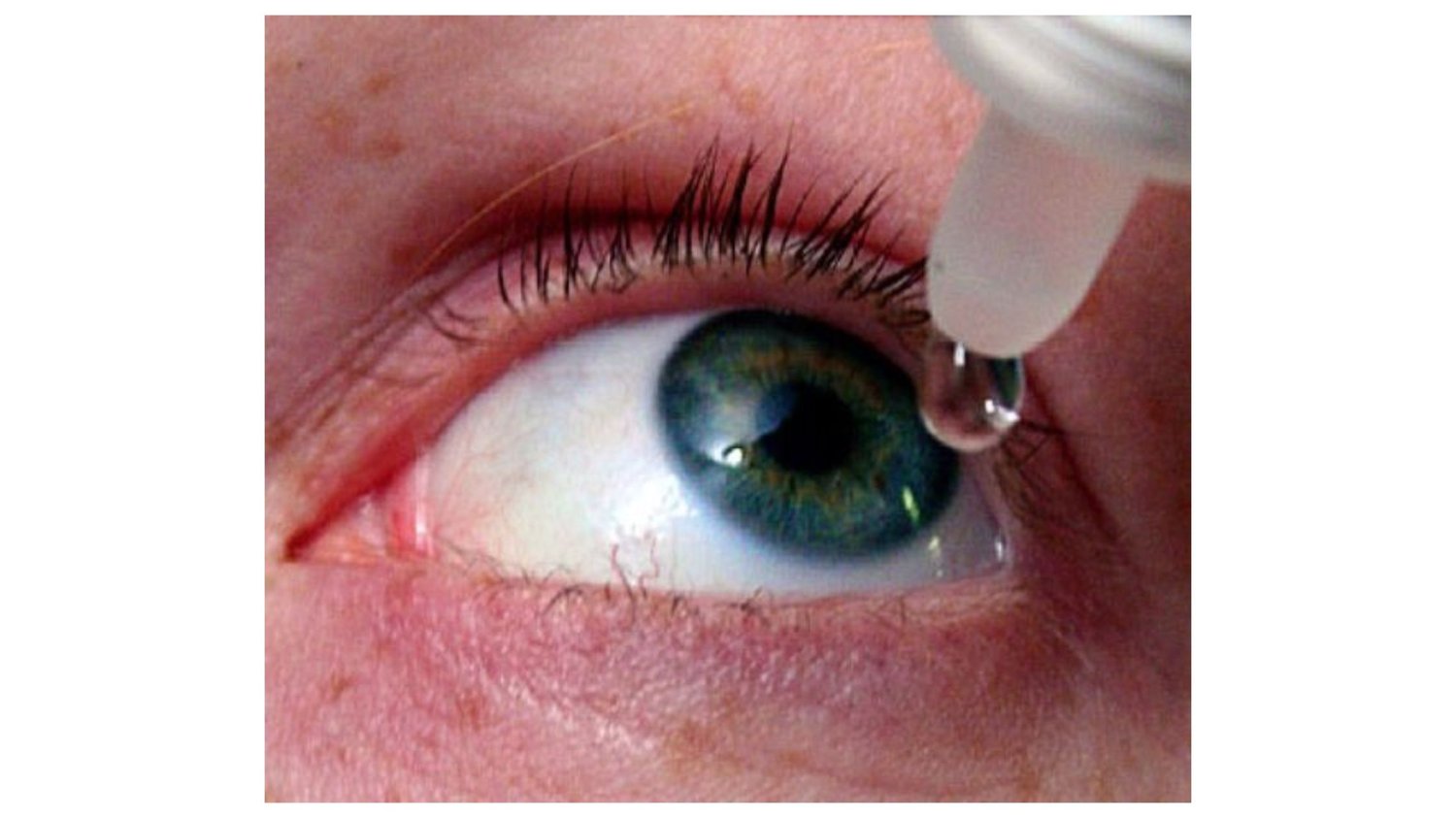
Erythropoietin, or EPO, is a hormone best known for its role in making red blood cells. Scientists later found EPO receptors in the eye, and this finding opened a new field of study. Today, teams test erythropoietin for retinal disease in lab models and in small human trials.
The early results look hopeful because EPO appears to shield nerve cells under stress. This matters since nerve cell loss in the eye causes lasting vision loss in diabetes, glaucoma, and blocked blood vessels. A drug able to protect these cells would help many patients.
How Does EPO Protect Nerve Cells?
EPO binds to receptors on nerve cells and glial cells. This step turns on signals for cell survival, and those signals slow cell death. In diabetic rats, one eye injection also reduced scar tissue and raised growth factors. These factors help nerve cells stay alive and form new links. As a result, data on erythropoietin neuroprotection in the retina show the best outcomes when treatment starts early.
Which Eye Diseases Have Been Studied?
Researchers have tested EPO in several eye diseases, and results differ by stage and dose.
- Diabetic eye disease has the most evidence. In animal tests, EPO lowered cell death and reduced leaks from blood vessels, while VEGF levels fell after one injection.
- Nerve injury and low blood flow form a second area. More nerve cells survived after pressure or damage.
- Glaucoma models add a third line of proof. Treated mice kept more nerve cells than untreated mice.
Where Does Human Evidence Stand?
Animal data are strong, but human data remain thin. Few patients have taken part so far. Still, most trials on erythropoietin for retinal disease use small groups, so larger trials must confirm the results. For example, small studies tested eye injections for diabetic macular edema and optic nerve disease, and their outcomes merit more study. Whole body dosing raises the risk of blood clots. For this reason, injections inside the eye draw more interest.
Why Does Delivery Method Matter?
Delivery shapes both safety and results. A direct injection places the drug near target cells, so low doses are enough and the rest of the body sees little drug. Gene therapy offers another route. In diabetic rats, one eye injection carried the human EPO gene, and eye function stayed stable for at least one year. Overall, these results place erythropoietin neuroprotection in the retina among topics worth steady study.
What Limits the Current Findings?
Several gaps remain before EPO reaches routine care.
- Most good results come from rodents, and rodent eyes differ from human eyes in size and blood vessel layout.
- The best dose and schedule remain unknown, so trials need dose tests and clear vision measures.
- Long-term safety data are limited, and repeated injections and late stage disease need more study.
- Current tests miss early loss of function, so trials need sensitive tools to measure real world vision.
Despite these limits, the path is clear, because each study guides the next trial. Well planned trials will show where erythropoietin for retinal disease fits in clinical care.
Which Steps Come Next?
Progress needs teamwork across labs, clinics, and device makers. First, trials should enroll patients early in the disease, since nerve cells are easier to protect than to repair. Next, eye scans must track change over time, and vision tests must show whether patients see better in daily tasks. Also, regulators expect steady drug quality and clear safety records. Close ties between surgeons and engineers will speed the path from lab to clinic, and patients with diabetes or glaucoma stand to gain the most.
Final Thought
Lab results are steady, and human data keep growing. Careful study of erythropoietin neuroprotection in the retina will show how well this approach works. Strong trials, shared data, and sensitive tests will turn early findings into reliable care, and patients deserve treatments backed by clear evidence.
Sinclair Technologies is an eye research company in Salt Lake City. It studies EPO as a treatment to protect nerves and lower inflammation in retinal vessel disease. Its leaders have skills in retina surgery, wearable sensors, and patent law. The company also builds eye test devices and studies laser treatment for macular degeneration.