
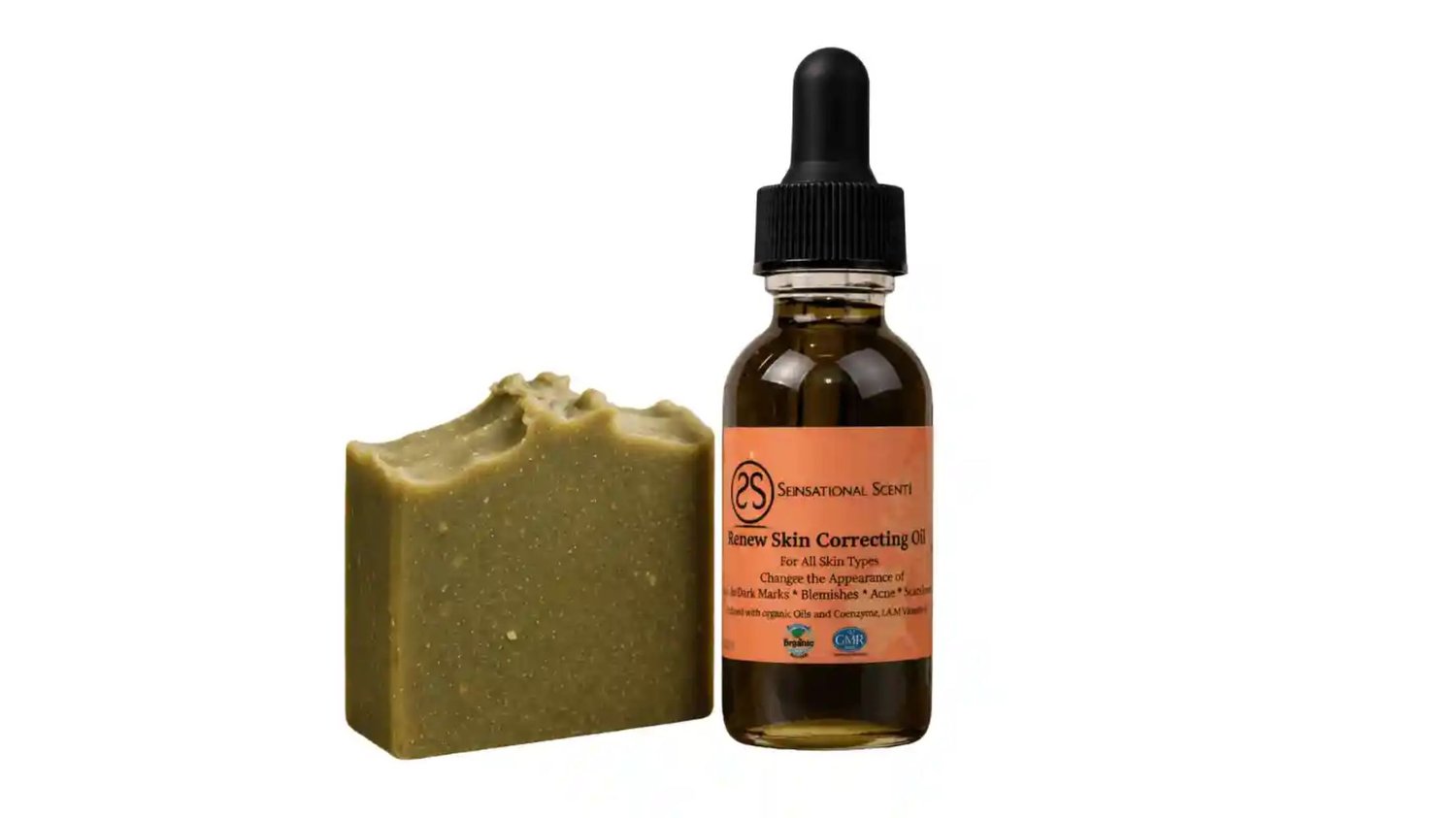
Acne-prone skin can be difficult to care for because the products that remove excess oil may also leave the skin feeling tight, dry, or uncomfortable. A good cleansing routine should remove everyday dirt and buildup without stripping away too much of the skin's natural moisture. This is one reason people look for the best organic soap for acne when choosing products for their daily skincare routine.
Skinsational Scents offers handcrafted designer-type soaps made with premium natural and organic ingredients, including shea butter, coconut oil, sunflower oil, castor oil, and aloe vera. These ingredients contribute to the soaps' creamy lather and skin-conditioning qualities. While no regular soap can guarantee acne-free skin, choosing a cleanser that suits individual skin needs can be a useful part of a balanced skincare routine.
Why Does Acne-Prone Skin Need a Thoughtful Cleansing Routine?
Acne is not simply a result of having dirty skin. It develops when hair follicles become clogged with oil and dead skin cells, sometimes alongside inflammation and the activity of acne-associated bacteria. Hormonal changes, genetics, certain medications, and skincare products can also influence breakouts.
Washing the face more frequently or using harsh cleansers does not necessarily help. In fact, aggressive cleansing can irritate the skin and make it feel uncomfortable. Scrubbing existing pimples may also increase irritation.
A thoughtful cleansing routine focuses on three things.
- Removing daily buildup without excessive rubbing or repeated washing.
- Supporting skin comfort by avoiding products that leave the skin feeling overly tight.
- Keeping the routine simple so that the skin is not exposed to too many potentially irritating products at once.
A handcrafted soap may appeal to someone who enjoys traditional cleansing bars and a rich lather. However, people with persistent acne should remember that ordinary soap is not a substitute for proven acne treatments. Some bar soaps can also be too alkaline for facial skin, so choosing a product specifically suited to the face is important.
What Makes the Ingredients in a Handmade Soap Worth Understanding?
The ingredient list can reveal how a soap may feel during and after washing. Skinsational Scents uses a combination of oils, butters, and aloe vera in its handcrafted soaps. Each ingredient contributes a different quality to the overall formulation.
Coconut Oil for a Rich, Creamy Lather
Coconut oil is commonly used in soapmaking because it helps create a cleansing bar with a rich lather. It contributes to the washing experience, making it easier to spread the lather across the skin and rinse away everyday grime.
However, coconut oil in a soap does not automatically make the product suitable for every acne-prone person. Its effect depends on the finished formulation, how the soap is used, and an individual's skin sensitivity. Those who experience dryness after cleansing should pay attention to how their skin feels rather than relying on an ingredient's reputation alone.
Shea Butter for a Softer Skin Feel
Shea butter is valued in skincare formulations for its emollient properties. It helps condition the skin and can contribute to a smoother, softer feel.
For people who experience dryness alongside occasional breakouts, a cleansing product that does not leave the skin feeling excessively stripped may be more comfortable. Still, shea butter in a rinse-off soap does not guarantee that the product will prevent dryness or improve acne.
Sunflower Oil for Skin Conditioning
Sunflower oil is another ingredient used in skincare because it contains fatty acids that help support the skin's moisture barrier. In soapmaking, it contributes to the overall properties of the finished bar.
Its presence is worth noting when comparing different handmade soaps, but the complete formulation matters more than any single ingredient. A product containing a familiar plant oil may still cause irritation in someone with sensitive skin.
Castor Oil for Lather and Texture
Castor oil is often included in handmade soap formulations to help produce a stable, creamy lather. It contributes to the texture of the cleansing experience.
A creamy lather can make washing feel pleasant, but more foam does not necessarily mean better cleansing or greater effectiveness against acne. The goal is to find a product that cleans the skin comfortably without encouraging unnecessary scrubbing.
Aloe Vera for a Skin-Friendly Formulation
Aloe vera is widely used in skincare products designed to support a soothing skin feel. It is a familiar ingredient for people who prefer plant-derived components in their personal care routines.
However, its presence does not mean that a soap will treat inflamed pimples, reduce acne scars, or prevent future breakouts. People with sensitive skin should also check the complete ingredient list because natural ingredients can occasionally trigger reactions.
How to Choose the Best Organic Soap for Acne-Prone Skin
The word "organic" can be appealing when shopping for skincare, particularly for people who want to understand what they apply to their skin. Yet, organic ingredients alone do not determine whether a product is appropriate for acne-prone skin.
A few practical considerations can help narrow the options:
- Check the full ingredient list. Look for ingredients you know your skin tolerates, and pay attention to added fragrances, colorants, and other potential irritants.
- Consider your skin type. Oily skin, dry skin, and combination skin can respond differently to the same cleanser.
- Avoid excessive cleansing. Washing twice a day is generally sufficient for many people, with additional gentle cleansing after heavy sweating when needed.
- Skip harsh scrubbing. Use your fingertips and lukewarm water instead of abrasive brushes or rough washcloths.
- Introduce one product at a time. This makes it easier to identify a product that causes redness, itching, or new irritation.
- Look beyond the word organic. A product's complete formulation and suitability for your skin matter more than a marketing label.
If acne is persistent, painful, or leaving scars, a dermatologist can recommend appropriate treatments. Ingredients such as benzoyl peroxide, salicylic acid, and topical retinoids may be helpful for certain types of acne, depending on the individual's needs.
Is Fragranced Handmade Soap Suitable for Acne?
Fragrance is an important consideration when choosing a cleansing bar. Skinsational Scents creates designer-type soaps with fragrances inspired by familiar department-store perfume styles. These soaps are designed to offer a distinctive scent alongside a luxurious cleansing experience.
For someone who enjoys fragranced bath products, this can be an appealing feature. However, fragrance is also a potential source of skin irritation, especially for people who already experience redness, sensitivity, or inflamed acne.
A soap that feels comfortable on the hands or body may not be the best choice for the face. People with acne-prone or sensitive facial skin may prefer a fragrance-free, gentle facial cleanser, particularly when using other active skincare ingredients.
If someone decides to try a fragranced bar, they should check the product details, avoid applying it to broken or irritated skin, and discontinue use if discomfort develops. A small-area test can help identify immediate irritation, although it cannot guarantee that breakouts will not occur.
How to Use a Cleansing Bar Without Overdoing It
Even a well-formulated cleansing product can become uncomfortable when used incorrectly. A few simple habits can make a difference.
- Wet the skin with lukewarm water.
- Work a small amount of lather between clean hands rather than rubbing the bar vigorously over acne lesions.
- Gently cleanse without scrubbing or picking at blemishes.
- Rinse thoroughly so that no soap residue remains.
- Pat the skin dry with a clean, soft towel.
- Apply a lightweight, non-comedogenic moisturizer if needed.
For facial use, choose a product intended for that purpose. If the soap leaves the skin tight, flaky, or irritated, stop using it on the face and switch to a gentler cleanser.
It is also worth remembering that acne care takes time. Changing products repeatedly in an attempt to achieve immediate results can make it difficult to determine what works. A consistent routine is generally more useful than adding several new products at once.
What Should You Know About Skinsational Scents Handmade Soaps?
Skinsational Scents combines traditional soapmaking with fragrance-focused personal care. Its handcrafted designer-type soaps feature ingredients such as distilled water, sustainable non-GMO coconut oil, sustainable non-GMO palm oil, shea butter, sunflower oil, castor oil, canola oil, and aloe vera. The formulations also use fragrances and pigments described as plant-based.
The combination of oils and butters contributes to the soaps' creamy lather and skin-conditioning feel. Because each bar is handmade, individual products may differ slightly from their pictured appearance.
Customers should review the details of the specific soap they plan to purchase, especially if they have acne-prone skin, fragrance sensitivities, or a history of reactions to skincare ingredients.
A few practical details are also useful when ordering.
- The soaps are intended for external use only.
- Avoid contact with the eyes.
- Keep the products out of reach of children and pets.
- Orders ship within three to seven business days, excluding holidays.
The brand's designer-type fragrances resemble familiar department-store fragrance styles, but Skinsational Scents is not affiliated with the original fragrance manufacturers.
Can the Same Skincare Approach Help People With Eczema?
Acne and eczema have different causes, so they should not be treated as the same skin concern. Acne involves clogged hair follicles and inflammation, while eczema commonly involves a weakened skin barrier, dryness, itching, and irritation.
Someone dealing with eczema may need to be particularly careful with fragranced soaps, even when they contain plant-derived ingredients. Fragrance-free cleansers and products designed for sensitive skin are often more appropriate for eczema-prone skin.
People exploring cleansing bars can also learn more through the best organic soap for Eczema page when comparing skincare options. However, a soap marketed as natural or organic is not automatically suitable for eczema. Anyone experiencing an active flare should follow advice from a qualified healthcare professional and avoid products that worsen itching or irritation.
Concluding Opinion
Choosing the best organic soap for acne involves more than finding a product with natural ingredients. The right choice depends on skin type, sensitivity to fragrance, the overall formulation, and whether the cleanser leaves the skin comfortable after washing. Skinsational Scents offers handcrafted designer-type soaps made with plant-derived oils, shea butter, and aloe vera for people who appreciate a creamy lather and a fragrance-focused cleansing experience.
Customers should review individual product details before choosing a bar for acne-prone skin, particularly when considering facial use. Explore the available selections at Skinsational Scents to find a soap that fits your personal care preferences, and choose a gentle, consistent skincare routine that supports your skin's needs.