
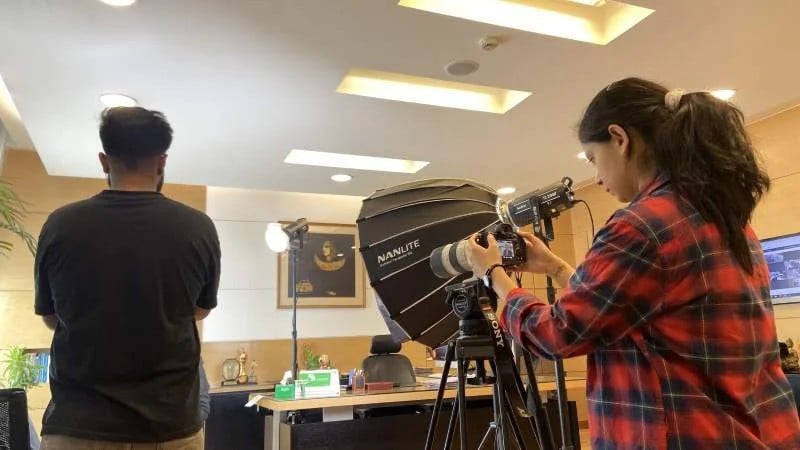
A clear two-minute film can explain a complex service faster than several pages of website copy. Corporate film makers in Delhi NCR help businesses turn their work, people, products, and purpose into content that builds trust with customers, employees, investors, and partners.
Delhi NCR offers access to business districts, factories, campuses, studios, outdoor locations, and skilled production crews. Companies use this range of resources for company profile films, brand stories, product videos, infrastructure films, training content, CSR films, recruitment videos, event highlights, and internal communication.
The right production partner does more than record attractive footage. It connects the film to a business goal, manages the shoot with care, controls the budget, and delivers versions ready for every channel.
Find a Corporate Film Maker That Matches Your Business Objective
Start with the result you need, not with camera brands, celebrity talent, or the lowest quotation. A sales film needs a clear customer message, while an employer-branding film needs honest workplace stories and strong employee participation.
Define the Result the Film Must Deliver
Your goal shapes the script, tone, visuals, runtime, and distribution plan. A film made to generate leads may end with a clear call to action. A film for investors or partners may focus on leadership, scale, facilities, governance, and proof of performance.
You may need a video to explain a technical process, support a product launch, improve internal alignment, document a CSR project, or attract skilled employees. Share this purpose before the first script draft. It helps the production team set useful success measures, such as watch time, sales use, page visits, applications, or employee feedback.
Match the Format to the Audience
A founder-led film works well when leadership vision and trust matter. A customer case study adds proof, while a documentary-style brand film can show people, process, and culture through real moments. Product demonstrations and motion-graphics explainers suit technical subjects that need clear detail.
Training videos need a steady structure and easy instructions. Recruitment films should show the workplace without making claims employees won’t recognize. Ask the team to plan short edits for LinkedIn, Instagram, YouTube, presentations, and mobile viewing during the same project.
Assess Creative and Production Quality Before Signing
A polished corporate film begins well before the cameras arrive. Review how the company plans the work, directs people, records sound, and handles approvals.
Look for Strategy-Led Pre-Production
The production team should hold discovery meetings with key stakeholders, define the audience, and develop a treatment before filming. The plan may include scripts, interview questions, storyboards, shot lists, schedules, call sheets, location scouting, permissions, and risk checks.
Ask how the team will protect confidential information at offices, factories, laboratories, and construction sites. Confirm brand-guideline use and the approval roles for marketing, leadership, legal, and compliance teams. One clear decision-maker can prevent conflicting feedback later.
Inspect Visuals, Sound, and Editing
Good corporate filmmaking uses thoughtful composition, lighting, camera movement, and visual continuity. Interviews should work with supporting footage of employees, products, machinery, facilities, and real work. A showreel can look impressive, so review complete projects and listen for clean, well-balanced sound.
The crew should use professional microphones and backup audio recording. Check voice-over quality, pronunciation, music rights, subtitles, captions, graphics, color grading, and claim accuracy. Drone filming must follow required permissions and safety procedures. Ask for final masters in formats suited to websites, presentations, exhibitions, social channels, and internal systems.
Compare Corporate Film Production Costs in Delhi NCR
Corporate film pricing changes with scope, not only with the production company’s name. A single office shoot with interviews costs less than a multi-location film with animation, travel, actors, and several language versions.
Understand What Shapes the Budget
Key cost factors include filming days, locations, crew size, camera and lighting needs, sound, creative direction, travel, accommodation, transport, and location logistics. Costs may also include presenters, actors, voice-over artists, subject experts, set styling, props, wardrobe, stock footage, archival material, music licensing, translation, animation, 3D work, and visual effects.
Editing time and the number of deliverables affect the final quote as well. Ask whether taxes, third-party charges, extra revisions, reshoots, source files, and future language versions are included. Two quotations with the same headline price may cover very different work.
Request a Scope-Based Proposal
A useful proposal should state the concept, treatment, script work, meetings, crew, equipment, shoot days, locations, interview needs, graphics, voice-over, music, subtitles, language versions, revision rounds, runtime, aspect ratios, ownership, licensing, delivery dates, and payment stages.
It should also explain cancellation, rescheduling, weather, location delays, and unavailable interviewees. Clear terms protect both sides. Before signing, ask who owns the final film and project files, whether music and talent rights cover your planned use, and what future edits will cost.
Protect the Budget Through Early Decisions
Finalize the audience, message, and approval group before scripting. Consolidate locations where possible, prepare interview participants, and approve a practical shot list. If you need horizontal, square, and vertical edits, plan those shots during the same filming day.
One shoot can produce a main film, short social cuts, sales clips, recruitment footage, and internal training material. This approach reduces repeat filming. It also requires clear stakeholder feedback, since late changes often lead to avoidable reshoots.
Build a Production Process That Keeps the Project on Track
A reliable workflow turns a broad idea into an approved film without losing the business message. Each stage should have a named owner, clear output, and agreed review date.
Shape the Concept, Script, and Storyboard
Begin with one central message. The story may follow a problem-and-solution structure, leadership vision, customer proof, process explanation, or people-focused narrative. The treatment then sets the tone, visual style, interview approach, and runtime.
Technical claims, figures, job titles, and company terms need review before filming. Plan interview questions and supporting visuals together, then approve the script, storyboard, shot list, and tone. Assign one person to collect feedback from all teams.
Manage Filming Across Delhi NCR Locations
Office, factory, campus, studio, and public shoots each bring different needs. Coordinate access, security, permits, traffic, weather, noise, power, and operating hours. A crew moving between Delhi, Gurugram, Noida, Ghaziabad, and Faridabad needs a realistic travel plan.
Protect confidential screens, documents, machinery details, and restricted areas. Follow site safety rules and provide suitable protective gear where needed. Keep an indoor backup for weather-sensitive scenes, and schedule executive interviews around working hours.
Control Reviews and Final Delivery
Review the first assembly for story and structure before focusing on small edits. The rough cut should then pass through fact, brand, legal, compliance, leadership, and technical checks. Consolidate comments in one document or review platform.
The final approval should cover color, sound, subtitles, graphics, names, designations, claims, and music. Export platform-specific files and archive the project. Ask the production company to document file names, versions, rights, and the process for future updates.
Use the Finished Film Across Every Brand Touchpoint
Production is only part of the investment. Distribution planning helps one shoot support sales, recruitment, stakeholder communication, events, and internal learning.
Adapt the Film for Digital Channels
Use a full-length version on the corporate website and YouTube, then create shorter cuts for LinkedIn and other social channels. Vertical edits suit mobile-first placements, while captions help people watching without sound. Leadership clips, customer moments, product details, and workplace scenes can each become useful short videos.
Prepare strong titles, descriptions, thumbnails, subtitles, and metadata. Regional or international audiences may need translated captions, voice-over, or separate language versions. Keep the visual style consistent across every cut.
Support Sales, Recruitment, and Stakeholder Communication
Add the film to sales presentations, proposal documents, account-based campaigns, and event screens. Facility footage can support investor and partner communication, while customer stories can help sales teams explain results. Workplace footage can strengthen recruitment pages and job campaigns.
Training cuts can support onboarding and internal learning. CSR and milestone films can play at meetings and stakeholder events. Keep an approved footage library so future teams can create updates without arranging a full shoot.
Measure Whether the Film Is Working
Track views, completion rates, average watch time, audience retention, clicks, lead forms, page visits, and social engagement. Recruitment teams can monitor visits and qualified applications, while learning teams can check training completion and employee feedback.
Sales teams should report whether the film helps during calls or proposals. Compare results by platform, audience, version, and call to action. These measures won’t guarantee success, but they show where the film earns attention and where it needs improvement.
Questions to Ask Corporate Film Makers in Delhi NCR Before Hiring
A vendor discussion should test business understanding as well as creative skill. Ask who will write the script, develop the treatment, direct interviews, and lead production. Request complete examples from a similar sector, especially if your subject involves technical, regulated, or confidential information.
Confirm the creative and production leads, crew size, equipment, shoot days, locations, permissions, safety plans, travel coverage, and backup options. Ask what happens if an executive, location, or outdoor shoot becomes unavailable.
Clarify ownership of the final film, project files, music, stock footage, voice-over, and talent rights. Check the included revision rounds, subtitles, aspect ratios, short edits, future changes, payment milestones, and delivery conditions. Written answers prevent costly assumptions.
Conclusion
The best corporate film makers in Delhi NCR combine business understanding with strong storytelling, professional cinematography, clear sound, careful production management, and transparent pricing. Their proposals should match your audience, message, locations, timeline, rights, and distribution needs.
Shortlist companies by reviewing complete films, relevant experience, references, team quality, and scope-based proposals. Price matters, but poor planning can cost more through delays, reshoots, weak sound, and unusable deliverables.
A successful corporate film is more than a record of your company. It is a business asset built for a defined audience, a clear message, and a measurable outcome.