

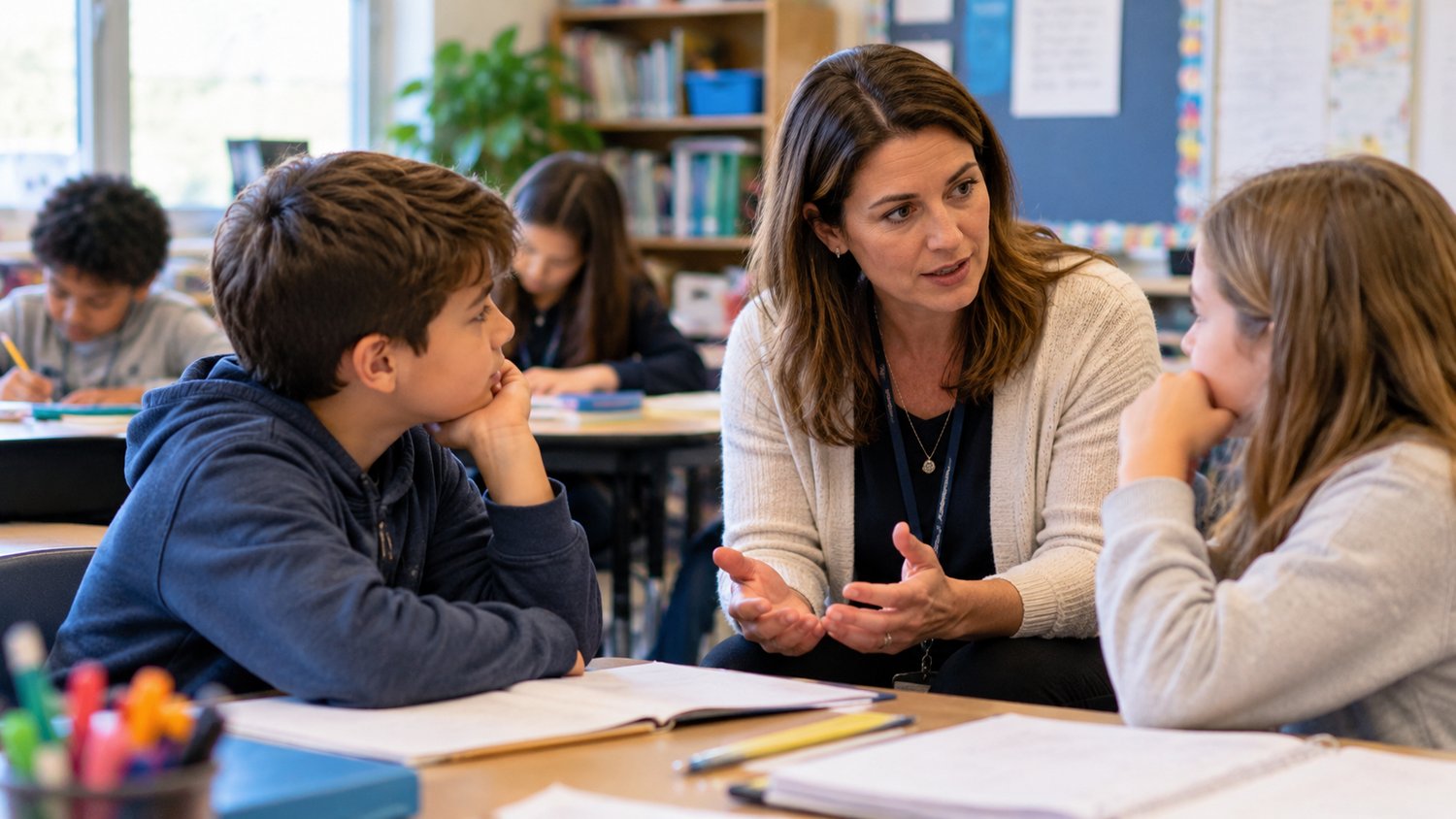
You have explained your classroom rules, displayed them on the wall, and reminded students to follow them. Yet some students continue to ignore expectations.
One student keeps interrupting. Another leaves materials scattered around the classroom. Others follow the rules only when the teacher is standing nearby.
Sound familiar?
Repeated reminders can become exhausting, especially when you are trying to teach. But building a classroom where students take responsibility requires more than repeating rules. Students need to understand expectations, recognize the consequences of their choices, and learn how to correct their behavior.
Here are five practical strategies to help.
1. Make Rules Clear and Observable
Broad instructions such as "Be responsible" or "Show respect" may mean different things to different students.
Translate these values into observable actions.
For example:
* Be responsible: Bring your materials and complete assigned tasks.
* Show respect: Listen when others speak and use appropriate language.
* Care for our classroom: Return shared materials to their proper places.
* Follow directions: Begin the assigned task after instructions are given.
When expectations are specific, students have a clearer understanding of what accountability looks like.
2. Teach Students What Happens When Rules Are Ignored
Students should understand both the expectations and what happens when they are not followed.
Explain the process before problems occur. Use predictable, proportionate responses rather than inventing consequences in the heat of the moment.
For example, if a student misuses classroom materials, the student may need to stop, review the expectation, and help restore the materials appropriately.
The response should relate to the behavior whenever possible. Follow your school's policies and consider the student's age and individual needs.
3. Replace Repeated Reminders With Student Reflection
Instead of delivering another long lecture, ask a short question that encourages responsibility.
Try these prompts:
" What was the classroom expectation?
" What happened when that expectation was not followed?
" What can you do to correct the situation?
" What will you try differently next time?
Keep the conversation calm and focused on the behavior, not the student's character.
The goal is to help students think about their choices and identify a better next step.
4. Give Students Opportunities to Repair Mistakes
Accountability is not just about consequences. It also means taking action to make things right.
If a student damages a classmate's work, help the student take appropriate steps to repair the harm. If a student disrupts group work, discuss how the student can help the group get back on track.
For conflicts involving other students, avoid forcing an apology or reconciliation. Focus on safety, responsibility, and meaningful repair.
Students learn that making a mistake does not end the opportunity to improve.
5. Notice Responsible Behavior
Teachers often have to spend considerable time addressing problems. Make room to recognize students who follow expectations independently.
Be specific with your feedback.
Instead of saying, "Good behavior," try saying, "You returned the materials without being reminded. That shows responsibility."
Recognize progress, not just perfect behavior. This helps students understand which actions contribute to a respectful, productive classroom.
A Simple Accountability Routine
When a classroom rule is ignored, use this four-step sequence:
REMIND → REFLECT → REPAIR → RESET
1.Remind: State the expectation calmly.
2.Reflect: Help the student understand what happened.
3.Repair: Identify an appropriate action to address the problem.
4.Reset: Give the student an opportunity to return to learning.
For repeated behavior, look for patterns and consider whether the student needs clearer instruction, additional support, or collaboration among school staff and family.
A Question for Teachers
Which classroom rule do your students struggle to follow most consistently: listening while others speak, completing assignments, respecting classmates, or taking care of classroom materials?
Please share your problem with us. We'll help you find a practical, professional solution.
At Smart Teacher Toolkit, we believe teachers deserve practical strategies that make everyday classroom management more manageable.
Explore for more on our newly published:The Modern K-12 Teacher's Problem Solving Handbook in the given link below.