

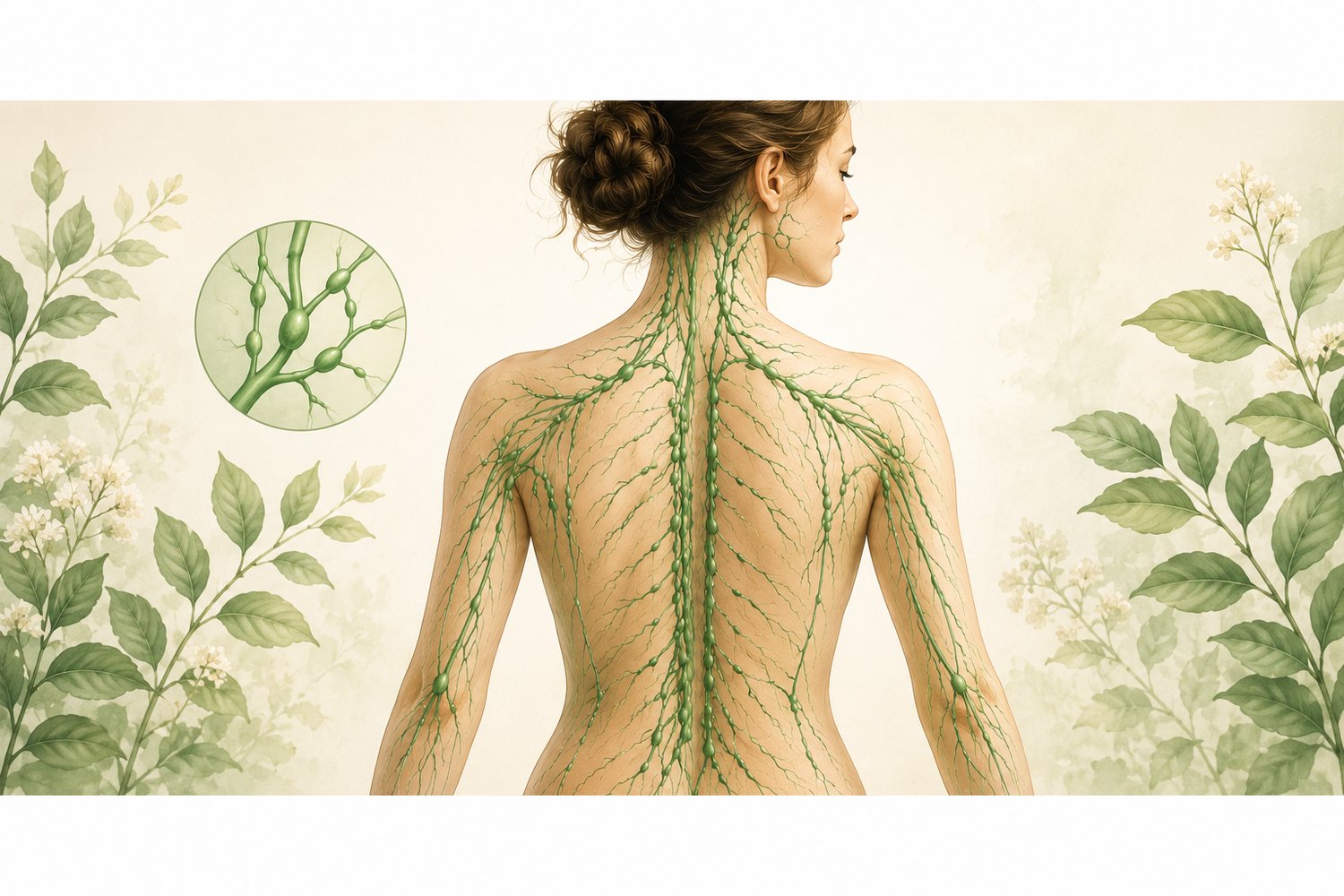
You may have heard people talking about lymphatic drainage, lymphatic massage, dry brushing or lymphatic wellness. Yet despite the growing interest, many people are still unsure what the lymphatic system actually is - or what it does.
The lymphatic system is not a new wellness trend. It is an important network within the body that works continuously behind the scenes. It helps maintain normal fluid balance, supports the body’s immune defences and carries lymph fluid through a network of vessels, tissues, organs and lymph nodes.
The NHS identifies fighting infection and draining excess fluid from the tissues as two of its main functions.
Understanding how this system works can make it easier to separate sensible everyday wellness habits from exaggerated claims and quick-fix promises.
Interested in the botanical formula?
Learn about the ingredients, suggested use and important product information in the
Complete Lymphatic Drainage Drops Guide.
What Is the Lymphatic System?
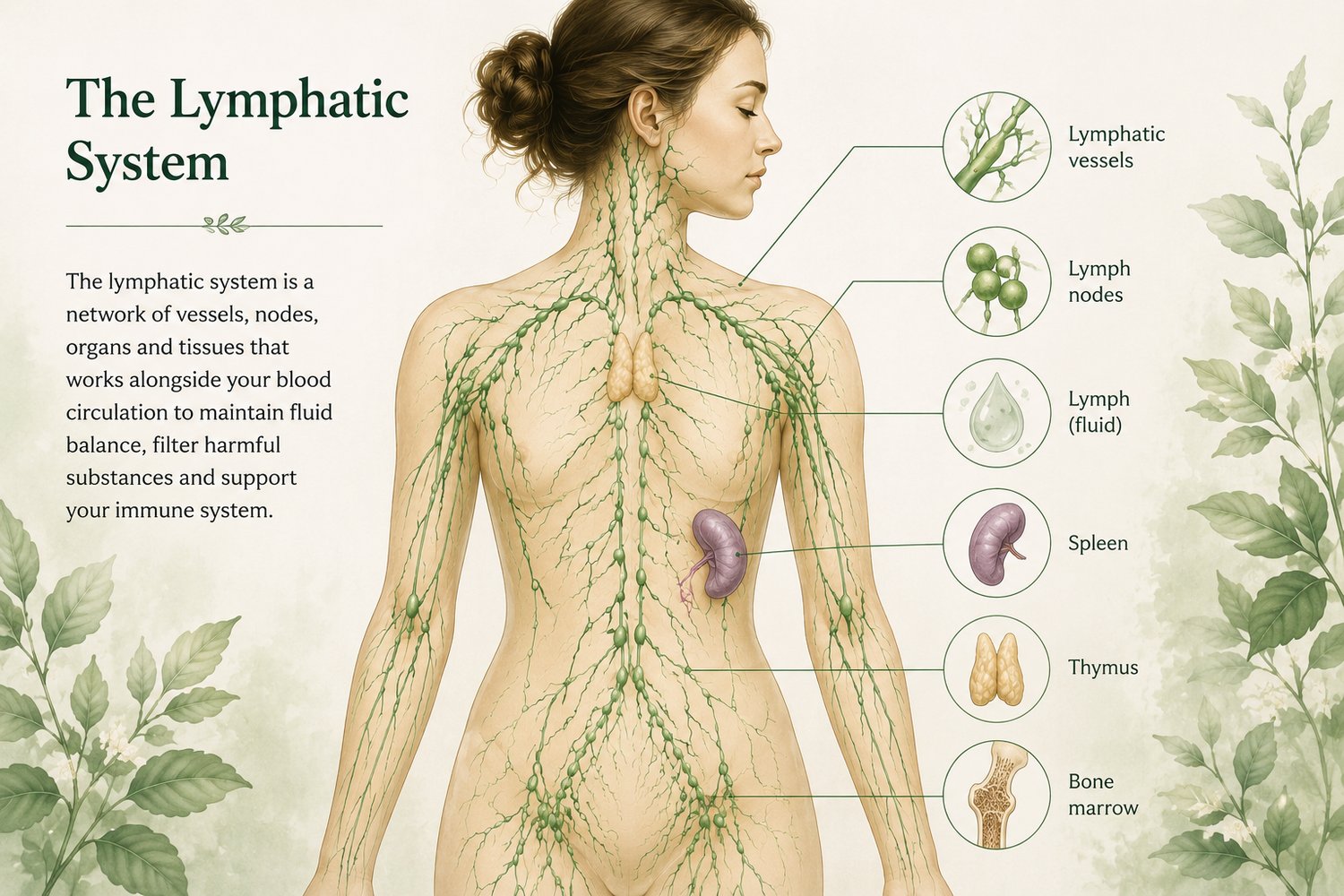
The lymphatic system is made up of:
- Lymphatic vessels
- Lymph nodes
- Lymph, the fluid that travels through the system
- Tissues and organs, including the spleen, thymus, tonsils and bone marrow
The National Cancer Institute describes the lymphatic system as a collection of tissues, organs, lymph nodes and vessels that forms an important part of the body’s immune system.
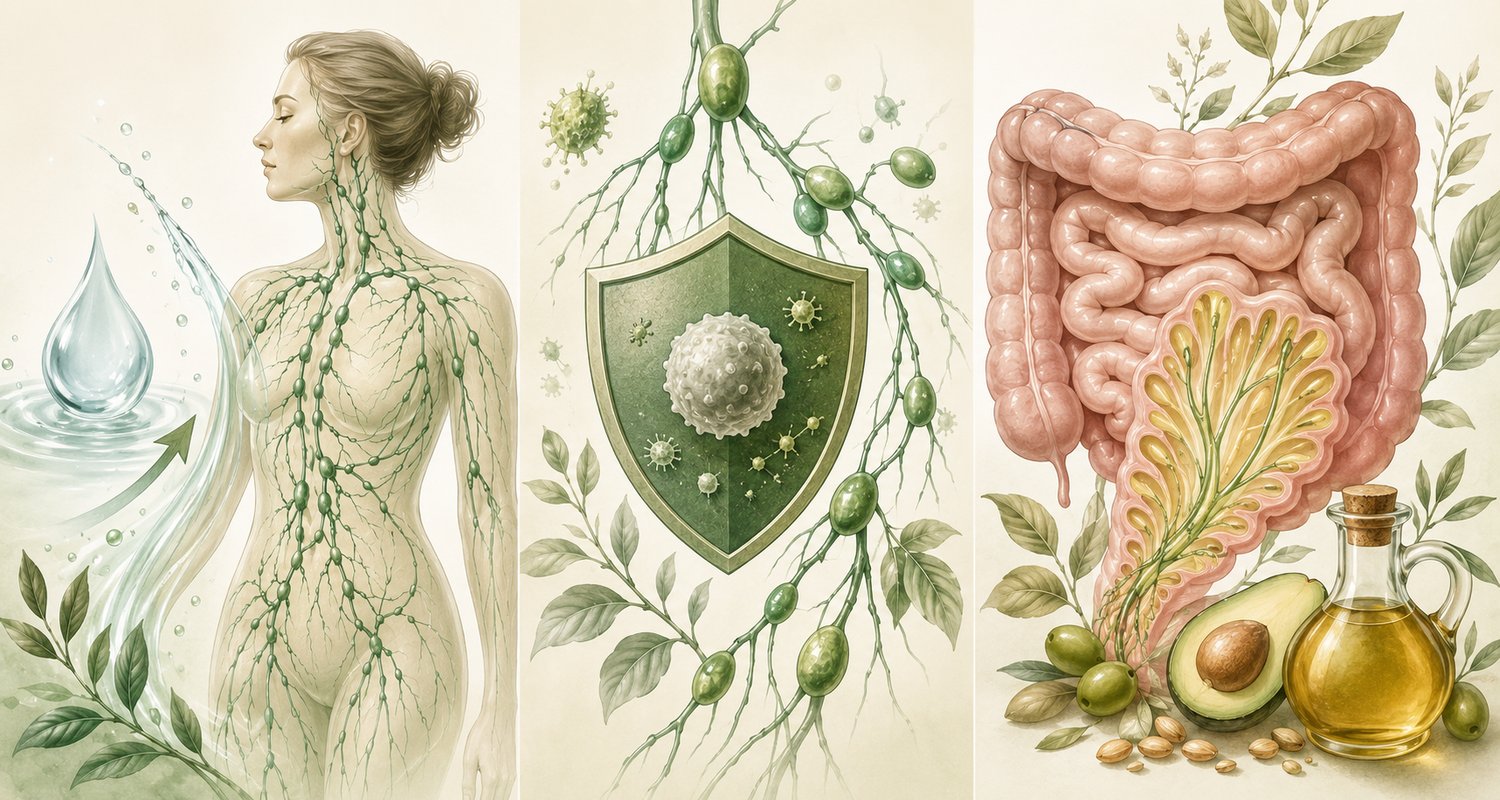
Lymphatic vessels form a network of thin tubes throughout the body. They collect excess fluid from the spaces surrounding the body’s cells and eventually return it to the bloodstream.
The fluid travelling through these vessels is called lymph.
Lymph is a clear, watery fluid that carries white blood cells, nutrients and other substances. As it travels through the lymphatic system, it collects excess fluid and cellular material from the tissues before passing through lymph nodes, where it is filtered.
You can think of the lymphatic system as a one-way collection and transport network that works alongside your blood circulation.
What Does the Lymphatic System Do?
The lymphatic system performs several important roles within the body.
The National Cancer Institute explains that the lymphatic system helps maintain fluid levels, supports immune function and assists with the absorption of certain fats.
1. It helps maintain fluid balance
During normal blood circulation, some fluid moves out of the smallest blood vessels and into the tissues surrounding the body’s cells.
The lymphatic system collects much of this excess tissue fluid and transports it back towards the bloodstream. Without this process, fluid could build up within the tissues.
2. It supports the immune system
The lymphatic system is an important part of the body’s immune defences.
Lymph carries white blood cells, including lymphocytes, which help the body recognise and respond to infection. As lymph passes through the lymph nodes, immune cells help filter and respond to germs and other potentially harmful substances.
This is one reason the lymph nodes in areas such as the neck may sometimes feel swollen or tender when the body is responding to an infection.
3. It helps absorb certain dietary fats
Special lymphatic vessels within the small intestine help absorb dietary fats and fat-soluble vitamins before transporting them into the circulation.
Together, these roles show that the lymphatic system is about far more than the popular idea of “detoxing.” It is involved in fluid balance, immune defence and the absorption of certain nutrients.
How Is It Different From the Circulatory System?
The circulatory and lymphatic systems work closely together, but they are not the same.
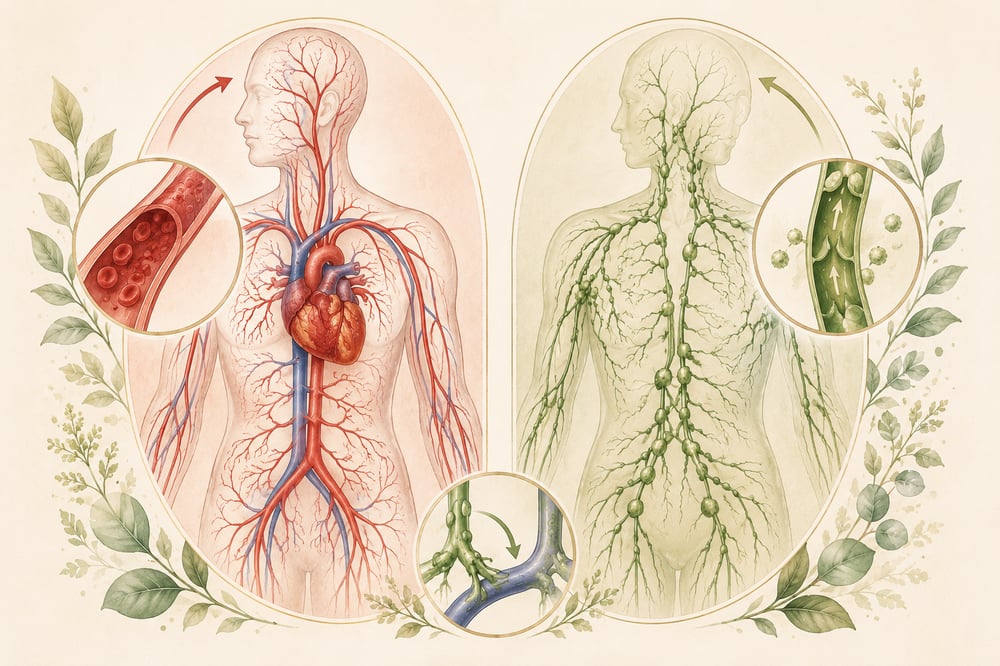
The NCBI Bookshelf explains that, unlike blood, lymph is not actively pumped by the heart and is instead helped along by body movement and breathing.
Your circulatory system uses the heart as its central pump. The heart moves blood around the body through a continuous network of arteries, veins and capillaries.
The lymphatic system does not have one central pump like the heart. Instead, lymph moves through one-way vessels with valves that help prevent it from flowing backwards. Movement of the muscles, gentle contractions within lymphatic vessels and pressure changes created by breathing all help move lymph through the body.
Eventually, the lymphatic vessels return the collected fluid to the bloodstream.
This is one reason regular movement is generally encouraged as part of a healthy lifestyle. However, walking or exercising should not be described as “flushing toxins” from the body. Movement can assist the normal flow of lymph, but the body’s natural filtering and waste-removal processes involve several organs and systems working together.
What Are Lymph Nodes?
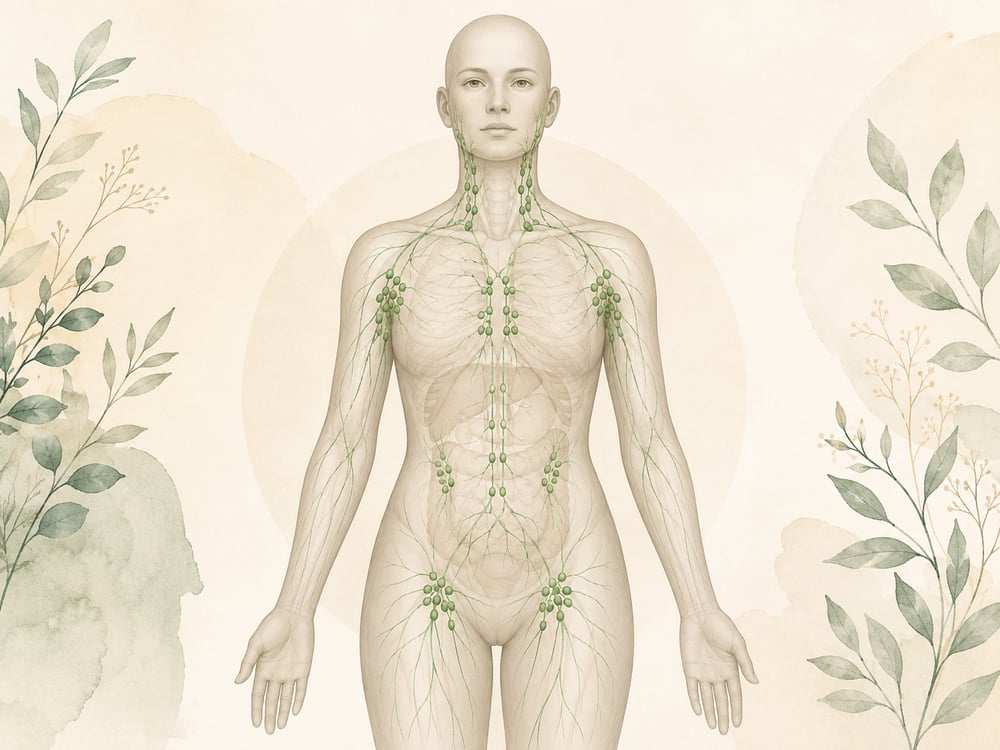
Lymph nodes are small, bean-shaped structures positioned along the lymphatic vessels. They act as filtering and monitoring points as lymph travels through the body.
There are hundreds of lymph nodes throughout the body, with larger groups found in areas including the:
- Neck
- Underarms
- Chest
- Abdomen
- Groin
As lymph passes through a node, substances within the fluid are filtered. Lymph nodes also contain immune cells that help the body recognise and respond to infections and other potentially harmful material.
Lymph nodes are sometimes referred to as “glands,” although lymph nodes is the more accurate term.
They may temporarily become swollen or tender when the body is fighting an infection. The NHS explains that swollen glands commonly appear in areas such as the neck, under the chin, underarms and groin, and usually improve as the infection settles.
The NHS advises speaking to a GP when swollen lymph nodes:
- Are getting larger
- Have not gone down within one week
- Feel hard or do not move when pressed
- Appear above or below the collarbone
- Occur alongside symptoms such as night sweats or a very high temperature
Everyday Habits That Support General Wellbeing
No single habit controls the lymphatic system. However, several everyday choices can support general health, circulation and normal bodily function.
The NHS recommends regular physical activity, sensible hydration and a varied, balanced diet as important parts of maintaining overall health and wellbeing.
Keep Your Body Moving
Walking, stretching and other appropriate forms of regular movement can support circulation, mobility and general wellbeing.
You do not necessarily need an intense workout. Breaking up long periods of sitting with gentle activity can be a practical place to begin.
Choose movement that suits your health, ability and circumstances. Speak to your GP before beginning a new exercise routine if you have not exercised for some time or have a medical condition or concern.
Drink Enough Fluids
Water is essential for normal bodily function.
Your individual fluid needs can vary depending on factors such as activity, weather, diet, pregnancy, medication and existing health conditions. Rather than forcing excessive amounts of water, aim for steady hydration throughout the day and follow professional advice where necessary.
Practise Gentle, Relaxed Breathing
Slow, relaxed breathing can support calmness and help reduce feelings of tension.
It should not be presented as a medical treatment or a guaranteed way to “detox” the body, but it can form part of a gentle and sustainable everyday wellness routine.
Eat a Balanced and Varied Diet
A varied diet provides the energy and nutrients needed to support general health.
Aim for an appropriate balance of:
- Fruit and vegetables
- Fibre-rich carbohydrates
- Sources of protein
- Dairy or suitable alternatives
- Small amounts of unsaturated fats
A balanced diet is more realistic than depending on one so-called superfood, drink or supplement.
Prioritise Rest and Sleep
Rest supports many areas of physical and emotional wellbeing.
Creating a regular bedtime routine, reducing late-night stimulation and allowing yourself time to unwind may help make your overall wellness routine feel more manageable and sustainable.

Avoid Relying on Quick Fixes
Be cautious of products or online content promising to:
- Cure lymphatic problems
- Remove all toxins
- Produce dramatic overnight weight loss
- Treat persistent swelling
- Replace medical advice or medication
- Fix the lymphatic system instantly
Persistent, sudden or unexplained swelling may require medical assessment and should not be self-treated with a wellness product.
Considering adding a botanical supplement to your routine?
Read about the ingredients, suggested use and safety information in the
Complete Lymphatic Drainage Drops Guide.
What About Dry Brushing and Lymphatic Massage?
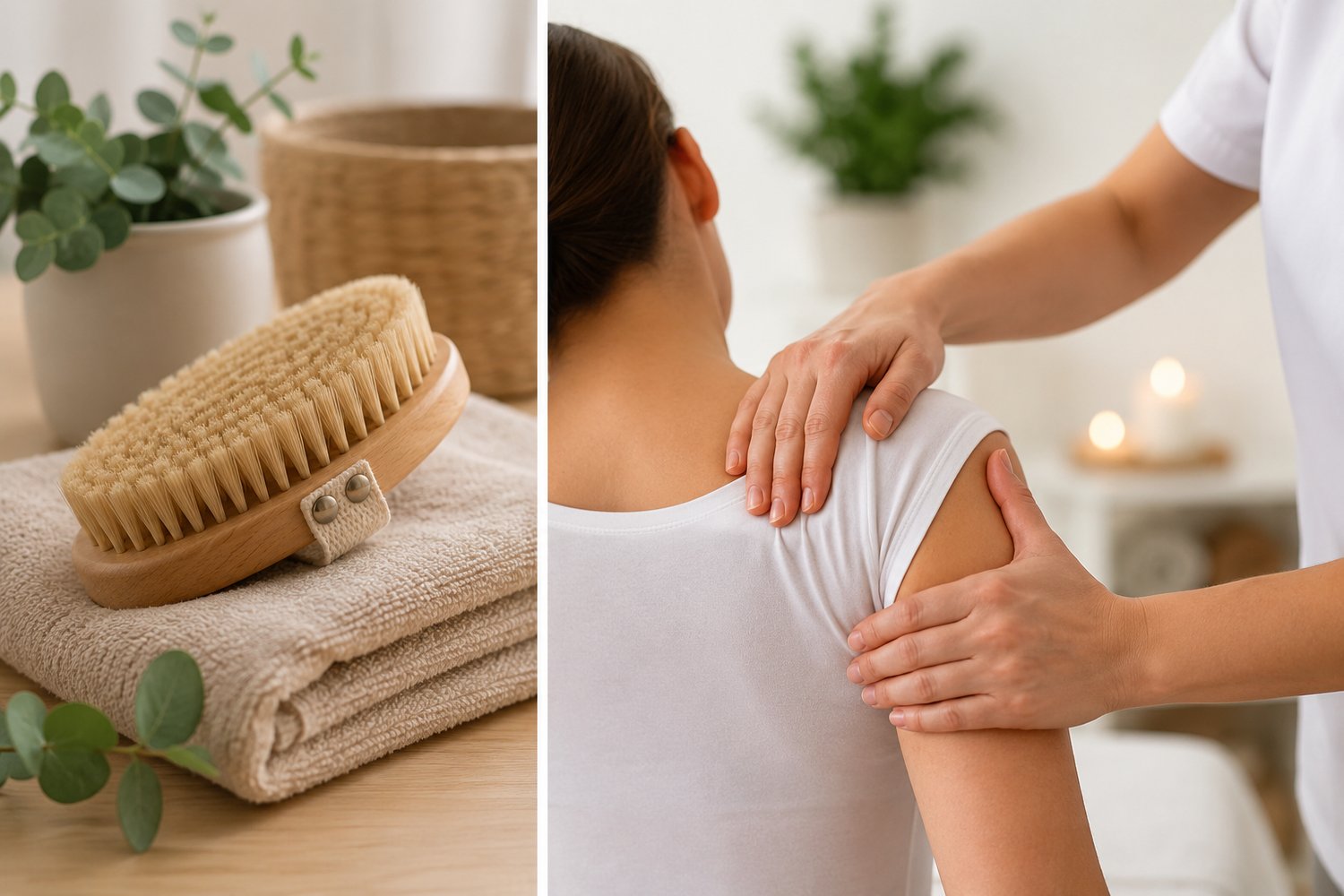
Dry brushing involves gently brushing the skin with a dry, firm-bristled body brush. Some people include it in their self-care routine because it can exfoliate the skin and leave it feeling smoother or refreshed.
However, claims that dry brushing can remove toxins, treat swelling or medically drain the lymphatic system should be treated cautiously. It is better viewed as a skincare and exfoliation practice rather than a medical treatment.
Lymphatic drainage massage is different. It is a specialised form of gentle massage intended to encourage lymph fluid to move away from swollen areas towards working lymph nodes.
The NHS explains that manual lymphatic drainage may form part of decongestive lymphatic therapy used to manage lymphoedema. It is usually carried out by a specially trained therapist, although some people may be taught an appropriate self-massage technique as part of an individual treatment plan.
This clinical treatment is not the same as receiving a general spa massage or following an unqualified social-media tutorial.
People with diagnosed lymphoedema, unexplained swelling, signs of infection, possible blood-clot symptoms or another medical condition should seek professional guidance before attempting lymphatic massage.
Sudden or unexplained swelling - particularly swelling affecting one leg - can require urgent medical advice and should not be treated at home with massage.
Where Do Herbal Lymphatic Drops Fit In?
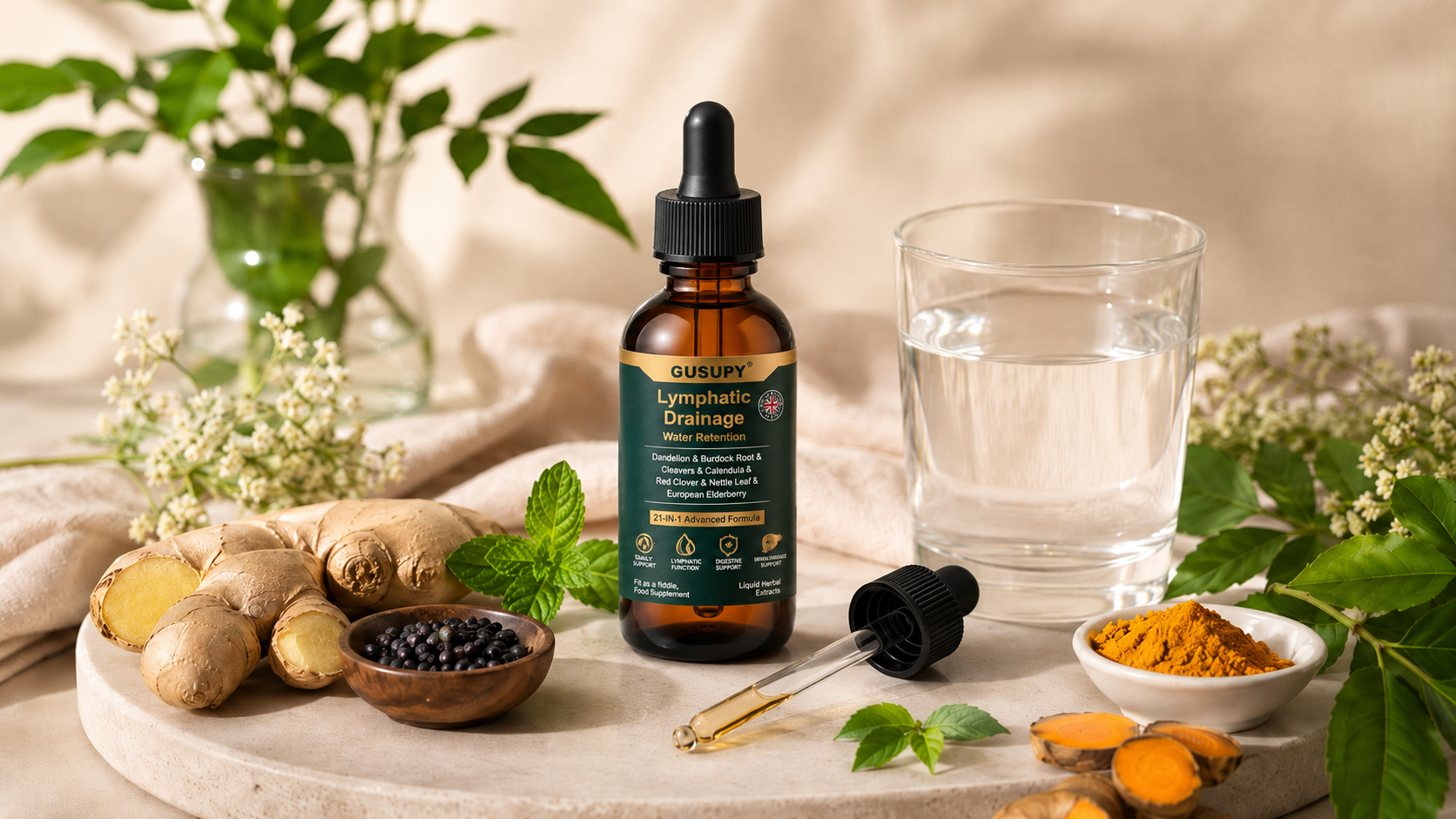
Some people choose herbal drops because they prefer a liquid supplement that can be added easily to an established daily routine.
A botanical formula should be viewed as an optional wellness product, not as a treatment for the lymphatic system or a replacement for appropriate medical care.
The NHS advises that herbal products can affect the body, may cause side effects and may interact with other medicines. It also recommends speaking to a doctor or pharmacist when you are unsure whether a herbal product is suitable for you.
It is equally important to understand what a supplement cannot be expected to do. Herbal lymphatic drops should not be presented as a way to:
- Treat lymphoedema
- Cure a medical condition
- Replace prescribed medication
- Guarantee weight loss
- Remove or prevent a specific illness
- Substitute for hydration, movement, balanced nutrition or sleep
The NHS identifies specialist decongestive lymphatic therapy - not herbal supplements - as the recommended treatment approach for lymphoedema.
What Should You Check Before Choosing a Supplement?
Before using any herbal or botanical product, check:
- The complete ingredient list
- The suggested serving
- Allergy and safety information
- Whether it may interact with your medication
- Any warnings supplied by the manufacturer
- Whether the seller uses responsible and realistic language
- Whether the product carries any relevant quality or registration information
“Natural” does not automatically mean suitable for everyone. People who are pregnant or breastfeeding, taking medication, preparing for surgery or managing an existing health condition should seek advice from a doctor, pharmacist or another suitably qualified healthcare professional before using it.
Interested in the formula?
Our complete guide explains the botanical ingredients, suggested use,
frequently asked questions and important safety information in more detail.
EXPLORE THE LYMPHATIC DRAINAGE DROPS GUIDE
Important Supplement Safety
“Natural” does not automatically mean suitable or safe for everyone.
Herb al supplements can cause side effects and may interact with prescription medicines, over-the-counter treatments or other supplements. Product quality, strength and ingredient amounts can also vary.
The NHS advises speaking to a doctor or pharmacist before using herbal medicines when you take other medication, have a health condition, are pregnant or breastfeeding, or are preparing for surgery.
Speak with a doctor, pharmacist or another appropriately qualified healthcare professional before using a herbal supplement when you:
- Are pregnant or breastfeeding
- Take prescription medication
- Have an existing medical condition
- Are preparing for surgery
- Have known plant or herbal allergies
- Are considering giving it to a child
The National Institutes of Health Office of Dietary Supplements advises particular caution with supplements during pregnancy and breastfeeding because many products have not been adequately tested for safety in these groups. It also notes that many supplements have not been well tested in children.
Always:
- Read the complete product label
- Follow the recommended serving
- Check the full ingredient list
- Do not exceed the stated amount
- Stop using the product and seek advice if you experience an unexpected reaction
When Should You Seek Medical Advice?
General wellness information cannot diagnose the cause of swelling, enlarged lymph nodes or other symptoms.
Speak to a GP or another appropriate healthcare professional if you experience:
- Persistent or unexplained swelling
- Swelling affecting only one arm or leg
- Redness, warmth or significant pain
- Sudden swelling
- Lymph nodes that are getting larger or have not gone down
- Lymph nodes that feel hard or do not move when pressed
- Swollen lymph nodes above or below the collarbone
- Unexplained fever, night sweats or weight loss
- Symptoms that concern you or interfere with everyday life
The NHS advises seeking medical guidance when swollen lymph nodes are getting larger, have not reduced within one week, feel hard or fixed, or occur alongside symptoms such as night sweats or a very high temperature.
When to seek urgent help
Call 999 or go to A&E if you have severe difficulty breathing, are gasping or choking, or are unable to speak normally because of breathlessness.
Swelling and enlarged lymph nodes can have many possible causes. It is important not to assume that they simply mean your lymphatic system needs to be “cleansed” or that they should be treated with massage or a wellness supplement.
A Balanced Approach to Lymphatic Wellness
The lymphatic system is an essential part of the body’s fluid-management and immune networks. It works continuously, often without us giving it much thought.
Supporting your general wellbeing does not require extreme detox plans, complicated routines or promises of instant results.
A more realistic and sustainable approach may include:
- Regular, appropriate movement
- Sensible hydration
- Balanced nutrition
- Restful sleep
- Breaking up long periods of inactivity
- Seeking medical advice when symptoms arise
- Making informed decisions about optional wellness products
Herbal drops may complement an established routine for some adults, but they are only one small part of the wider picture. They should not replace healthy daily habits, prescribed treatment or appropriate medical advice.
The best place to begin is not with the promise of a miracle. It is with clear information, responsible choices and a better understanding of how your body works.
Learn More About the Botanical Formula
Interested in exploring the botanical ingredients, suggested use, safety information and frequently asked questions before deciding whether the product is right for you?
READ THE COMPLETE LYMPHATIC DRAINAGE DROPS GUIDE
Medical and Affiliate Disclaimer
This article is provided for general educational and informational purposes only.
It does not constitute medical advice and is not intended to diagnose, treat, cure or prevent any disease or health condition.
Always consult a doctor, pharmacist or another appropriately qualified healthcare professional regarding:
- New, persistent or concerning symptoms
- Existing medical conditions
- Prescription or over-the-counter medicines
- Herbal products or dietary supplements
- Possible interactions, allergies or side effects
This website may contain affiliate links. If you make a qualifying purchase through one of these links, we may receive a small commission at no additional cost to you. This does not affect the price you pay.