
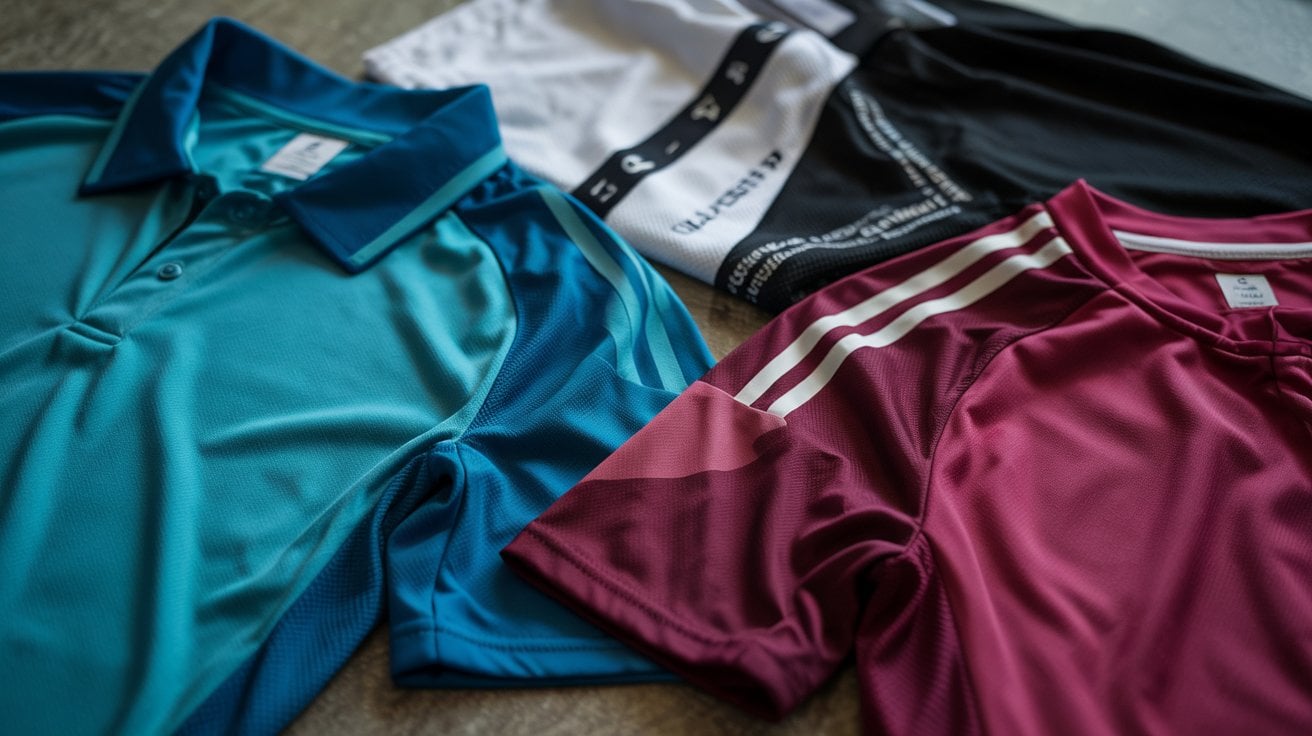
Teams often judge sportswear the moment the box is opened. Colours look sharp. Logos feel crisp. Everything appears ready for game day. But for clubs investing in custom sportswear in Perth teams rely on season after season, the real test starts much later — after training blocks, travel, sweat, and repeat washing.
Sublimation printing is often spoken about as if it delivers the same result every time. In reality, it’s a process shaped by dozens of small, often invisible decisions. These variables quietly determine whether a kit holds its shape, colour, and comfort — or starts to fade before the season ends.
Fabric Selection: The Foundation That Shapes the Outcome
Sublimation doesn’t sit on top of fabric. It becomes part of it. That’s why fabric choice is one of the most critical — and most underestimated — variables in quality sportswear.
Key factors that influence results include:
- Polyester grade and yarn quality
- Weave density and stretch behaviour
- Moisture management and breathability
Lower-grade fabrics struggle to absorb ink evenly, leading to muted colours and reduced durability. Even the most advanced printing setup cannot compensate for fabric that isn’t built for performance sport.
Colour Management: Where Consistency Is Won or Lost
Colour accuracy isn’t guesswork — it’s technical control. Every stage of sublimation affects colour output, from digital profiling to ink calibration and press stability.
Without proper colour management:
- Team colours can shift between production runs
- Logos may appear inconsistent across garments
- Reorders rarely match previous kits exactly
Local production allows tighter control over these variables, ensuring colours remain consistent not just within one order, but across multiple seasons.
Heat, Pressure, and Timing: Precision Matters
Sublimation relies on exact conditions. Heat activates the ink. Pressure ensures even transfer. Timing determines how deeply colour bonds with the fabric.
Small inconsistencies can lead to:
- Premature fading
- Uneven colour density
- Ghosting or dull patches
This is where experience matters. Skilled operators understand how different fabrics respond to heat and adjust settings accordingly, rather than relying on fixed presets.
Panel Printing vs Shortcuts in Production
How a garment will look when worn highly depends on how the garment is printed before it is stitched together. Full panel sublimation allows designs to flow cleanly across seams and panels.
Compared to shortcut methods, panel printing ensures:
- Accurate logo placement
- Consistent pattern alignment
- A professional, balanced visual finish
It’s a detail many teams don’t ask about — but one they immediately notice on the field.
Local Production and Ongoing Quality Control
Local manufacturing provides something offshore production often can’t: visibility and accountability. When production happens locally, issues are caught early and corrected quickly.
Benefits of local oversight include:
- Hands-on quality checks at every stage
- Faster turnaround for adjustments
- Consistency across repeat orders
This level of control is especially valuable for clubs building a long-term identity through their teamwear.
Designing for the Demands of Each Sport
Sublimation quality also depends on understanding how garments are used in real sporting environments. For example, the requirements of soccer shirts would be different from cricket shirts in Australia. Different sports place very different demands on apparel.
For cricket shirts in Australia, considerations include:
- Lightweight fabrics for long hours of play
- Airflow and sun exposure
- Comfort during extended movement
For custom soccer jerseys in Australia, priorities shift to:
- Stretch recovery and durability
- Seam placement for constant motion
- Resistance to frequent washing
Designing without sport-specific insight often leads to kits that look good initially but struggle under real conditions.
Conclusion: Quality Is Decided Long Before Printing Begins
High-quality sublimated sportswear isn’t defined by a single machine or technique. It’s built through fabric selection, colour control, production precision, and local oversight — long before the press is switched on.
Teams don’t just wear uniforms. They wear trust in the process behind them. When those hidden variables are managed properly, sportswear doesn’t just last a season — it supports performance, identity, and confidence every time it’s worn.