
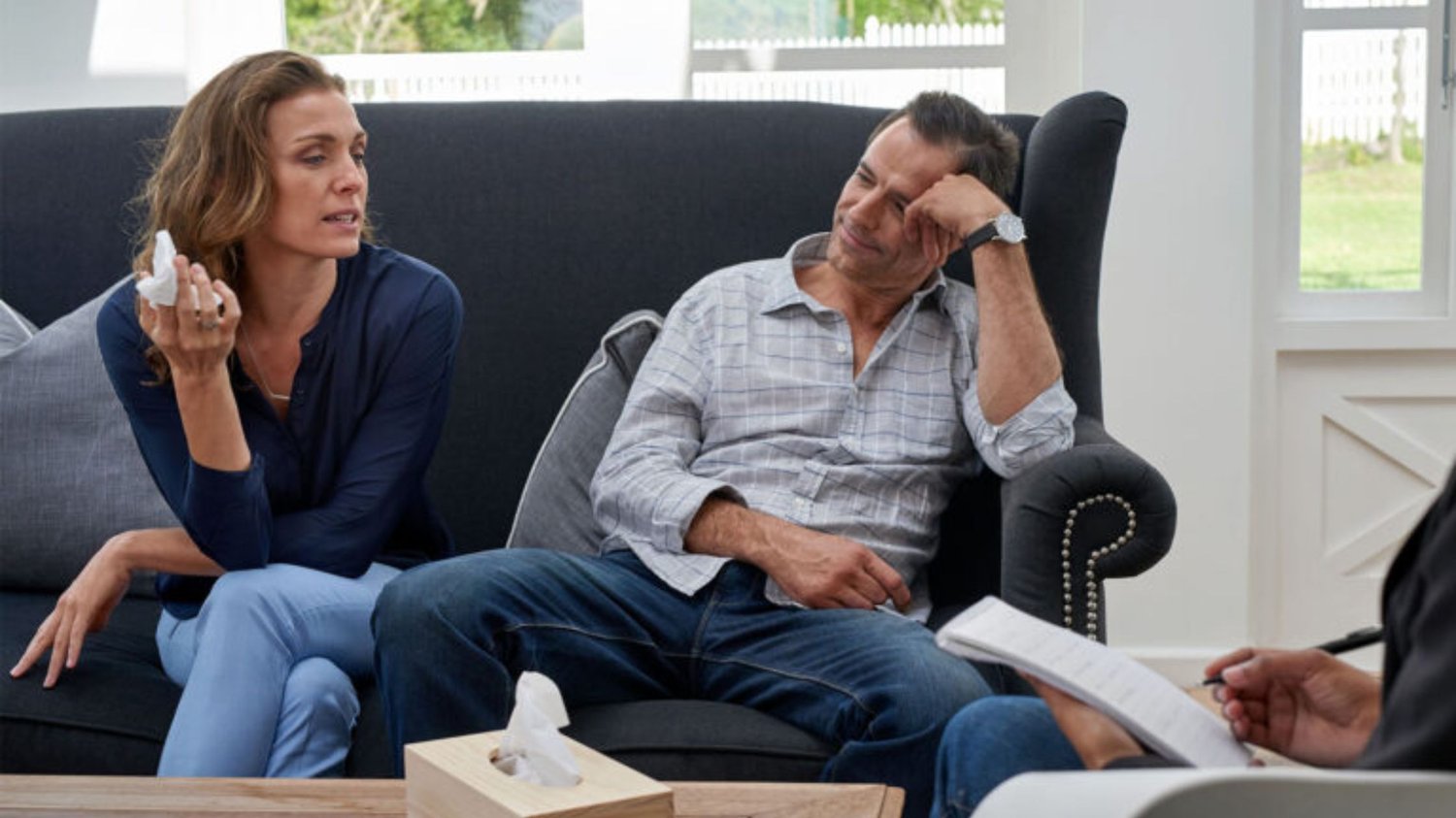
Clear heads and a change of setting can reset how two people relate. A couples retreat can help create that shift, yet real progress often deepens when structured guidance is added. Marriage counseling fits into a retreat as a focused, professional layer that turns shared time into meaningful repair and growth.
Distance from daily routines helps couples slow down. Conversations feel less rushed. Emotions settle. A retreat alone can open space, but it may not always lead to lasting change. Patterns that caused tension tend to return once normal life resumes. That gap is where couples' retreat marriage counseling plays a practical role. It adds direction, accountability, and tools that stay useful after the trip ends.
Why a Couples Retreat Alone May Not Be Enough
A retreat often feels refreshing at first. Calm surroundings reduce stress. Partners may talk more openly. Still, old habits can quietly return. Familiar triggers do not disappear. Communication styles stay the same unless actively addressed.
Guided support helps identify patterns that are easy to miss. Many couples repeat the same arguments without noticing the deeper cause. A counselor helps break that cycle. Structured sessions also prevent conversations from drifting or becoming unproductive.
Key gaps a retreat alone may leave:
- Unresolved conflict patterns that resurface later
- Lack of tools to handle future disagreements
- Emotional topics left only partially addressed
- Temporary closeness without long-term strategy
Professional input turns insight into action. Couples gain clarity on what needs to change and how to do it. That shift often marks the difference between a pleasant experience and lasting progress.
How Counseling Enhances Retreat Experiences
A retreat sets the stage. Couples' retreat marriage counseling directs the performance. Together, they create a more complete experience. Guided sessions bring focus to the time spent away.
Counseling during a retreat works in several ways:
- Conversations stay productive and balanced
- Emotional triggers are addressed safely
- Communication techniques are practiced in real time
- Each partner feels heard without interruption
Therapists often introduce structured exercises. These may include listening drills, conflict mapping, or emotional awareness work. Such methods help couples move beyond surface-level discussion.
Couples also receive personalized feedback. Generic advice rarely works for complex relationships. Tailored guidance makes each session more effective. That level of attention builds confidence and clarity.
Time away from routine allows couples to apply these tools immediately. Practice in a calm setting makes it easier to repeat those behaviors later at home.
Can Marriage Counseling During A Retreat Improve Communication?
Communication often sits at the center of relationship strain. A retreat creates space to talk, yet talking alone does not fix communication issues. Guidance ensures that conversations lead somewhere meaningful.
Counseling introduces clear communication frameworks. These help partners express thoughts without blame or defensiveness. Listening becomes active rather than reactive.
Common improvements include:
- Reduced interruptions during conversations
- More clarity in expressing needs
- Less escalation during disagreements
- Greater emotional validation
Practice during a retreat allows couples to test these skills right away. Feedback from a therapist helps refine them quickly. That immediate correction speeds up progress.
Over time, communication becomes less about winning arguments and more about understanding each other. That shift changes the tone of the entire relationship.
Building Emotional Safety in a Shared Space
Emotional safety allows partners to speak honestly without fear of judgment. A retreat environment supports that goal, yet guidance strengthens it further.
Counseling helps establish boundaries for respectful communication. Partners learn how to share difficult thoughts without causing harm. That balance is not always intuitive.
Trust grows when both individuals feel heard. Consistent, guided interaction reinforces that trust. Emotional safety then becomes a habit rather than a temporary state.
Therapists also help manage intense emotions. Anger, frustration, or sadness can surface during deep conversations. Professional support ensures those emotions are handled constructively.
A safe emotional space encourages vulnerability. That openness often leads to stronger connection and deeper understanding.
When Should Couples Combine a Retreat with Therapy?
Timing plays an important role. Some couples seek help early, while others wait until issues feel overwhelming. A combined approach works well in several situations.
Couples may benefit if:
- Repeated arguments feel unresolved
- Communication has become strained or distant
- Emotional connection feels weaker than before
- Major life transitions are causing tension
Early intervention often leads to better outcomes. Addressing concerns before they intensify makes change easier.
A retreat with counseling also suits couples looking to reconnect, not just repair. Growth does not always require a crisis. Strengthening a relationship proactively can prevent future issues.
Professional support ensures that time spent together leads to meaningful progress rather than temporary relief.
Conclusion
A couples retreat offers space to reconnect, but meaningful progress often requires more than shared time away. Counseling adds structure, clarity, and direction, turning moments of connection into lasting change. That combination helps couples address patterns, improve communication, and build stronger emotional bonds.
Professionals like Steven D. Brand. Psychotherapist, Success Coach, and Marriage Counselor integrate structured guidance into retreat experiences, helping couples translate insight into real-life results. His approach to couple marriage therapy focuses on practical tools and honest dialogue, ensuring that growth continues long after the retreat ends.