
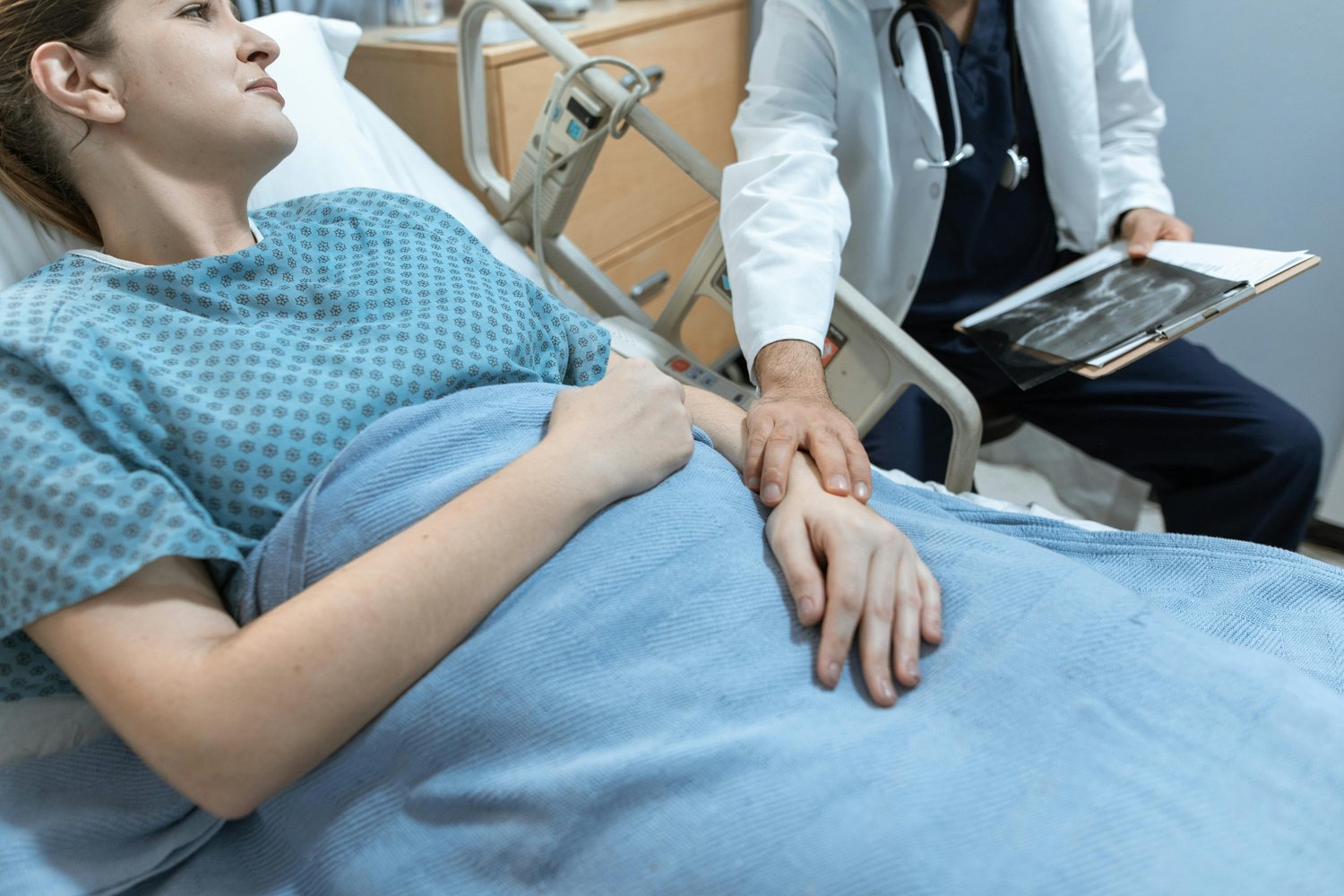

When I first heard the word radiotherapy, I thought, “Haven’t I done enough already?” Surgery. Chemotherapy. Hormone injections. The emotional rollercoaster. The physical exhaustion. Radiotherapy felt like one more mountain when I was already tired of climbing.
What surprised me the most is that radiotherapy is very different from chemotherapy. With chemo, I felt the side effects everywhere — my hair, my stomach, my energy, my emotions. Radiotherapy, on the other hand, is more localized. It focuses on a specific area, usually where the tumor was removed. In my case, after a lumpectomy, it was about reducing the risk of cancer cells coming back in the breast.

But even knowing that, it wasn’t emotionally simple.There’s something about going to the hospital every single day — sometimes for weeks — that keeps you mentally in “cancer mode.” Even if the sessions are short. Even if they tell you, “It’s quick, you’ll be in and out.” You still lie there on the table, arms positioned just right, machines moving around you, trying not to think too much.
The treatment itself doesn’t hurt. You don’t feel the radiation while it’s happening. But over time, your skin can change. For many women, it becomes red, irritated, almost like a sunburn. The fatigue can creep in too — not always dramatic, but steady. A kind of heaviness that builds gradually.
What I didn’t expect was how emotional it would feel. Radiotherapy can feel like the final chapter of active treatment. And that sounds positive — like you’re almost done. But it can also feel scary. Because when it’s over, the hospital visits slow down. The monitoring becomes less intense. And you’re left with your thoughts.
For me, radiotherapy wasn’t just about preventing recurrence. It was about trust. Trusting that this invisible energy, carefully calculated and targeted, was doing its job. Trusting my doctors. Trusting my body.
If you’re about to start radiotherapy, here’s what I would say: it’s usually more manageable than chemotherapy, but it still requires gentleness with yourself. Moisturize your skin as recommended. Rest when your body asks for it. Wear soft clothing. And allow yourself to feel whatever comes up — relief, fear, gratitude, frustration. All of it is valid.

And if you’re unsure about whether radiotherapy is necessary in your specific case, it’s okay to ask questions. It’s okay to want clarity. Your treatment plan should feel like something you understand, not something that just happens to you.
Radiotherapy may be invisible while it’s happening. But emotionally, it’s not invisible at all. It marks a transition. Another step. Another layer of healing.
And like every step in this journey, you don’t have to pretend to be stronger than you feel.

Hope this helps go through this tough time. I wrote a cookbook for those that are struggling with food during chemo and radiotherapy. Get your copy here Healing Cookbook - Recipes for Chemo Patients.Sunny