
What would you do if a coworker suddenly collapsed at work? Or if someone stopped breathing during your child's soccer game? Maybe a loved one suffers a serious burn while cooking dinner. Emergencies like these happen without warning, and those first few minutes are often the most critical.
That is why first aid CPR & AED training Texas is so important. These skills help people respond quickly, stay calm, and provide immediate care until emergency medical services arrive. You may never need to use them, but if the moment comes, being prepared can make a real difference.
Three Skills That Work Together
Many people think CPR, first aid, and AED training are separate courses that teach unrelated skills. In reality, they work together.
A person who suddenly collapses may need CPR and an AED. Someone who falls from a ladder may need first aid. A child who begins choking may need immediate action before emergency responders arrive.
Every emergency is different. Learning all three skills gives you a better understanding of how to respond instead of hoping someone else knows what to do.
CPR Helps Keep Someone Alive Until Help Arrives
Cardiopulmonary resuscitation, or CPR, is used when a person's heart stops beating or they stop breathing normally. Chest compressions help move blood to the brain and other vital organs until professional medical care takes over. Those first few minutes matter.
Emergency responders do everything they can, but they cannot always arrive immediately. Traffic, distance, and other factors can delay their arrival. CPR helps bridge that gap by providing care before help gets there.
This is one reason CPR training Texas continues to be an important part of workplace safety, healthcare education, and community preparedness.
First Aid Is About Helping Before Things Get Worse
Not every emergency involves cardiac arrest. Someone may suffer a deep cut, a serious burn, an allergic reaction, a broken bone, or heat exhaustion. In these situations, first aid provides immediate care until medical professionals arrive.
Think about how often accidents happen during normal daily activities. A child falls from a bicycle. A coworker slips on a wet floor. Someone cuts their hand while preparing food. A family member faints during a summer event.
These situations happen every day. Knowing basic first aid allows you to respond calmly instead of feeling unsure about what to do next.
An AED Can Save Valuable Time
Many people have seen an Automated External Defibrillator, or AED, hanging on a wall in an airport, school, gym, or office. But many have never learned how it works.
An AED is designed to check the heart's rhythm and determine if a shock is needed during sudden cardiac arrest. The device gives clear voice instructions to guide the rescuer through each step. One common misunderstanding is that only medical professionals can use an AED.
In fact, AEDs are made to be used by trained responders and are designed to be simple to operate during emergencies. When CPR and an AED are used together, they provide important support until emergency medical services arrive.
Confidence Is One of the Biggest Benefits
One reason people hesitate during emergencies is fear. They worry about making the wrong decision. They worry they might hurt someone. Or they simply freeze because they have never practiced these skills before. Training changes that.
Instead of standing back and hoping someone else steps in, trained individuals know how to assess the situation, call for help, begin CPR, provide first aid, or use an AED when needed. No training can remove every feeling of stress, but practice helps replace uncertainty with confidence.
These Skills Are Useful Far Beyond the Workplace
Many people take emergency response classes because their employer requires them. But the value of these skills does not end when the workday is over.
Imagine helping your parent who suddenly becomes unresponsive. Helping your child after a playground injury. Assisting a neighbor during a medical emergency. Supporting someone at a community event before emergency responders arrive.
You cannot predict where an emergency will happen. That is why first aid CPR & AED training Texas gives people skills they can carry with them wherever they go.
Small Actions Can Have a Big Impact
Many people assume they need advanced medical knowledge to help someone.
That is simply not true. Calling 911 quickly. Starting CPR. Using an AED. Controlling severe bleeding. Helping someone who is choking. These are simple actions that trained individuals learn during class.
You do not need to be a doctor or nurse to provide immediate care while waiting for professional help.
Hands-On Practice Makes the Difference
Watching a video or reading about CPR is a good starting point. Actually practicing the skills is what builds confidence.
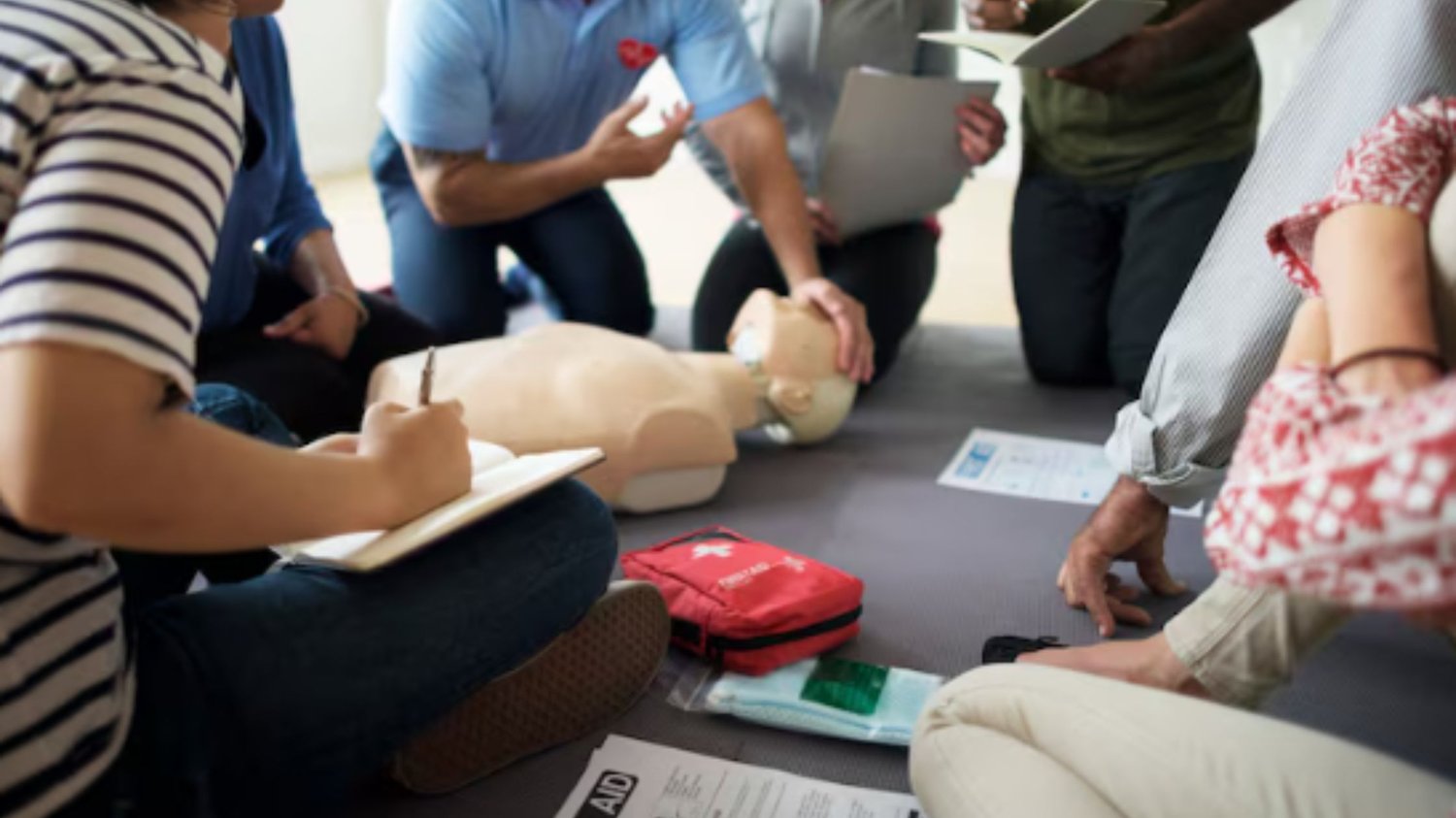
During training, participants practice chest compressions, rescue breathing, AED use, and first aid techniques using realistic training equipment. Instructors provide guidance, answer questions, and help participants improve their technique.
By the end of class, many people feel much more prepared than they did when they first walked in.
Learning Today Can Make a Difference Tomorrow
Most people hope they never have to perform CPR or provide first aid. But if that moment ever comes, it is far better to have the knowledge than to wish you had learned sooner.
Choosing CPR training Texas is not just about earning a certification. It is about gaining practical skills that can help protect coworkers, family members, friends, neighbors, and even complete strangers.
Wrapping It Up
No one knows when a medical emergency will happen. It could be during a normal workday, a family gathering, a sporting event, or a routine trip to the grocery store.
Learning first aid CPR & AED training Texas gives people the knowledge to respond during those critical first moments. These skills help individuals stay calm, act with confidence, and provide immediate care until emergency medical services arrive.