
Picture a school basketball game on a Friday evening. Parents are in the stands, students are cheering, and teachers are helping things run smoothly. Then someone in the crowd suddenly collapses. People nearby may want to help, but do they know what to do?
This is where CPR education becomes important. It should not be limited to a few staff members or one annual safety meeting. CPR classes in Plano can help teachers, school employees, parents, coaches, and community groups build skills they may need in everyday settings.
An Emergency Can Happen Outside the Nurse's Office
Schools prepare for fire drills, severe weather, and other safety concerns. Medical emergencies deserve the same attention. A student may collapse during PE, a visitor may become unresponsive at a school event, or a staff member may experience cardiac arrest.
The school nurse may not be nearby when it happens. Other employees may need to step in and get help. Teachers, coaches, office staff, and cafeteria workers can all benefit from knowing how to recognize cardiac arrest, call 911, and begin CPR. These basic skills can help a school respond more effectively while emergency services are on the way.
Let Students Learn More Than What to Do in a Fire Drill
Children can learn emergency response skills long before they are old enough to take on adult responsibilities. Younger students can start by learning how to recognize an emergency, find a trusted adult, and call 911. As they grow, they can learn about CPR and AED use.
The American Heart Association recommends CPR education for school-age children, with practical skills suited to their age and physical ability. Schools can include simple lessons in health or safety activities. Older students can practise on training manikins with an instructor. The goal is to help them feel prepared, not frightened or responsible for handling an emergency alone.
Take the Lesson Beyond the School Gates
CPR education can reach far beyond the classroom. A student might explain the importance of an AED to a parent, while a teacher may encourage coworkers to attend a class. These everyday conversations can help families and neighbours think about emergency readiness. Schools can build on this interest by sharing information about CPR and AED training with parents, local groups, and community members.
Organizing group sessions is another practical way to involve more people. Teachers, parents, coaches, and other community members can learn together through hands-on instruction. Enrolling in CPR classes in Plano helps community members build the knowledge and confidence to respond when a cardiac emergency occurs.
Give Teachers and Staff a Chance to Practise Together
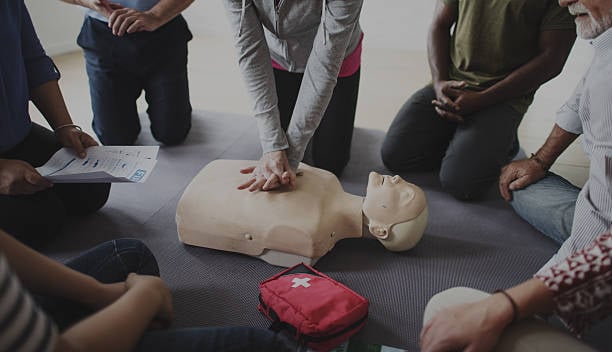
Reading about CPR is useful, but hands-on practice helps people understand what to do. A coach may need to respond to an athlete who collapses on the field. A teacher may face an emergency during a school event. Onsite group training gives staff a chance to practise chest compressions and AED use with an instructor.
Training can take place at the school, so employees do not have to travel to separate classes. Options may include CPR and AED, First Aid with CPR and AED, pediatric training, and Basic Life Support (BLS). This makes it easier to choose instruction that matches each employee's role.
Make the Training Fit the People Who Will Use It
Not every school employee needs the same type of training. A school nurse may require Basic Life Support, while teachers and office staff may need CPR and AED instruction. Childcare employees may benefit from pediatric First Aid, CPR, and AED training.
Before booking a course, schools should check job requirements and confirm which certification cards are accepted. Schools looking for CPR certification in Plano should also consider employees who feel more comfortable learning in Spanish.
For students, age-appropriate CPR awareness lessons may be a better starting point than a formal adult course. The right training should match each person's role, age, and ability.
Keep the Conversation Going After Class
CPR training should not end when participants receive their course cards. Skills can become less familiar over time, so staff should keep track of renewal dates and arrange refresher training as needed. Schools should also make sure employees know where AEDs are located, how to access them, and how to activate the school's emergency response plan.
Community groups can take similar steps. A youth sports organization might review its emergency procedures before a new season. A neighborhood association could share information about local CPR awareness sessions. A childcare center could make sure new employees receive the appropriate pediatric training.
Small Training Efforts Can Reach a Whole Community
A school CPR class may begin with a handful of teachers, but its impact can reach much further. Those teachers can share what they learn with colleagues. Students can talk about emergency response at home. Parents and local groups can take steps to build their own skills.
Plano already has community CPR education resources, and schools can build on them with suitable staff training and group instruction. When people know how to recognize cardiac arrest, call 911, begin CPR, and use an AED, they are better prepared to help while emergency responders are on the way.
The goal is not to make every person an expert. It is to make sure more people feel ready to take the first safe steps when someone needs help.