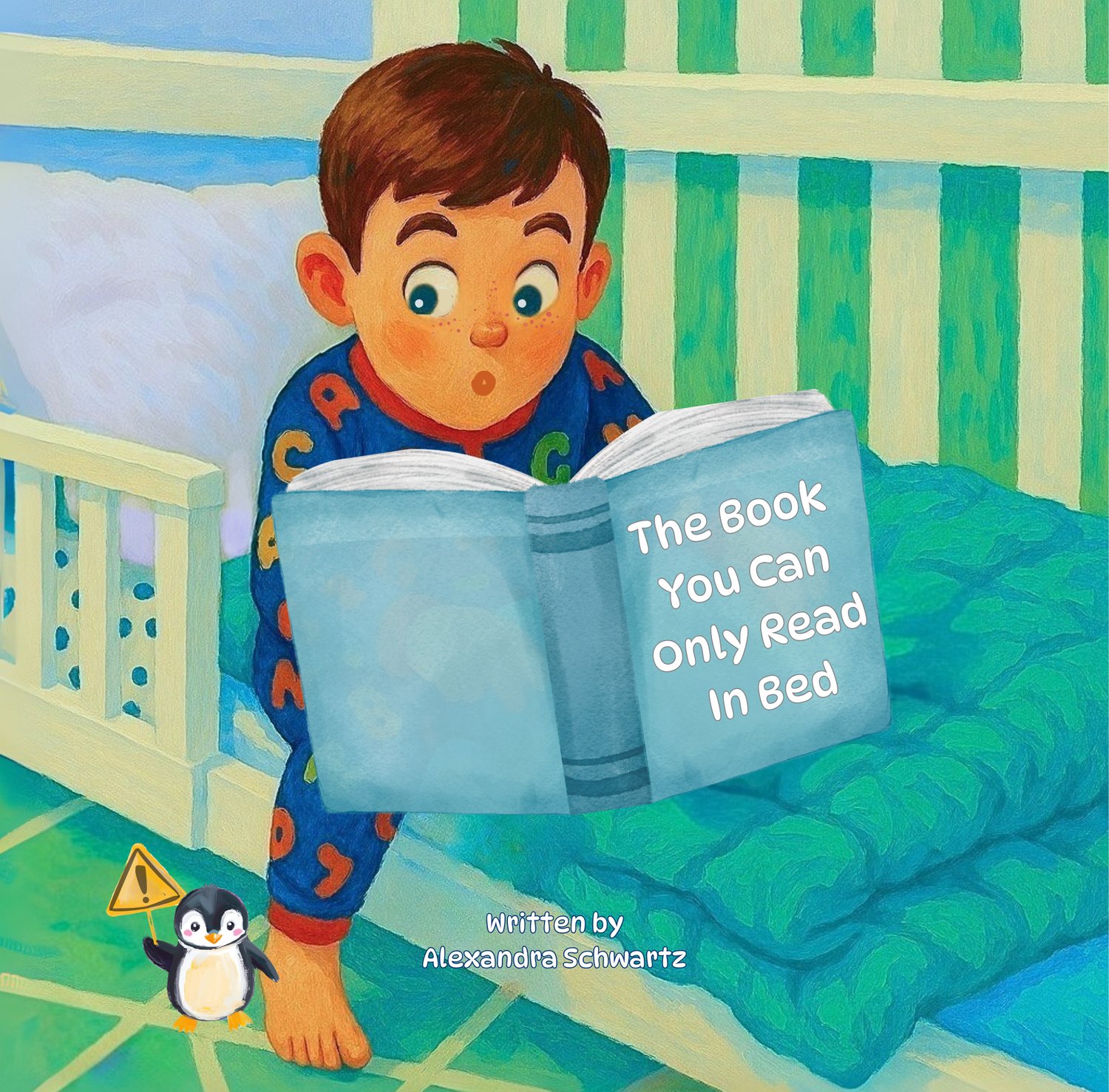

Does your little one procrastinate at bedtime? Do you have a curious escape artist who struggles to stay in bed? If bedtime feels like a battle, you’re not alone. Many toddlers struggle to wind down for bed (and stay there) even when they’re tired. The good news? Helping toddlers stay in bed doesn’t require strict rules or raised voices. Often, the most effective solutions are gentle, predictable, and rooted in how young children actually think and feel.
Why Toddlers Have Trouble Staying in Bed
Toddlers aren’t trying to be difficult at bedtime. Their brains are still developing the ability to self-regulate, transition between activities, and feel secure when separated from their caregivers.
Common reasons toddlers want to get out of bed include:
- Difficulty winding down after a stimulating day
- Fear of missing out (“Just one more thing!”)
- Separation anxiety
- Lack of a clear, consistent bedtime routine (It's like playing the slot machine: If their begging for one for episode, one more glass of water, or one more book... works even sometimes, then they're likely to keep trying night after night.)
Strategies That Actually Help Toddlers Stay in Bed
While every child is different, research and real-world parenting experience point to a few strategies that consistently help toddlers settle and stay put.
1. Create a Predictable Bedtime Routine
Toddlers thrive on routine and repetition. Knowing what to expect is comforting. When the same steps happen in the same order every night, bedtime becomes expected — not negotiable.
A simple routine might include:
- Bath
- Pajamas
- Brushing teeth
- Reading in bed
- Lights out
The exact activities can vary, but consistency is key. Little habits lead to big changes!
2. Make the Bed a Special Cozy Place
Many toddlers associate their bed with separation from you. One way to reduce resistance is to make the bed the place where something positive happens.
For example:
- A favorite stuffed animal for comfort
- Snuggling together for a story
- A cozy blanket that’s only for bedtime
When children feel good about being in bed, they’re far more likely to stay there.
3. Give Them a Quiet “After You Leave” Activity
One of the biggest challenges comes after the story ends and the adult leaves the room.
Providing a quiet, self-directed activity gives toddlers something to focus on (and helps them get sleepy) without leaving bed. This might be:
- Inspired by "The Book You Can Only Read in Bed", playing pretend with their stuffies, blankets, or pillows
- looking for familiar details in illustrations (like the hidden penguin!)
- thinking happy thoughts or a comforting story in their mind
These activities help bridge the gap between togetherness and sleep.
4. Use Gentle Boundaries, Not Power Struggles
Toddlers need limits — but they respond best when those limits feel predictable and gives them a sense of control. Instead of repeated explanations or negotiations, try:
- brief reminders (“It’s time for bed now. Would you like your truck pajamas, or your cookie pajamas?"; "It's time to get in bed now. Would you like me to put your pillow here or there?”)
- consistent routine over multiple nights
- confidence in your tone that bedtime is safe and steady
Calm repetition is far more effective than escalation.
A Story-Based Approach That Supports Bedtime
One gentle way to support all of the strategies above is through routine-based bedtime books — stories designed specifically to reinforce staying in bed.
The Book You Can Only Read in Bed was created with this exact goal in mind. You can only read it when you’re snuggled into bed, which encourages toddlers to climb in — and stay there. It’s a playful, interactive book that offers expert-backed tips and practical strategies for a soothing nightly ritual that will make bedtime a peaceful and positive experience for the whole family.
Why Parents Love This Book:
- Simple, proven strategies to establish a smooth and consistent bedtime routine
- Calming activities that empower kids to feel relaxed and ready for sleep
- Techniques that encourage using imagination to keep even the most restless sleepers or early-risers quietly and independently occupied until it’s time to get out of bed
- A fun, interactive approach that makes bedtime something to look forward to!
Rather than telling children what to do, the story invites them into the routine — which is often far more effective.
When to Expect Changes
Helping toddlers stay in bed is rarely an overnight fix. Small improvements often happen first:
- fewer trips out of bed
- shorter delays
- calmer transitions
With consistency, many families notice meaningful change within a few weeks.
A Final Reassurance for Parents
If bedtime feels hard right now, it doesn’t mean you’re doing anything wrong. Toddlers are learning how to slow down, separate, and rest — big skills for little people. Gentle routines, comforting stories, and calm expectations go a long way. Over time, bedtime can become less about control and more about connection!