
🧠 The Science Behind The Slow Motion Method
1. Slow breathing directly regulates the nervous system
- Slow, controlled breathing (around 4–6 breaths per minute) activates the parasympathetic nervous system, which reduces stress and heart rate.
- It also stimulates the vagus nerve, improving emotional regulation.
- Studies show slow breathing can lower cortisol (stress hormone) and improve focus.
👉 Why it works in your method:
These scripts repeatedly guide “slow, steady breathing,” which physiologically forces the body into a calmer state, not just mentally but biologically.
2. Visualisation activates real neural pathways
- Mental rehearsal activates similar brain regions as real action (motor cortex, sensory areas).
- This principle is widely used in sports psychology and performance training.
👉 Example: Michael Phelps famously visualized races in detail before competing.
👉 Why it works here:
Users are not just imagining—they are pre-experiencing situations, making real-life responses feel familiar and easier.
3. “Slow motion” perception reduces cognitive overload
- When people feel overwhelmed, the brain processes too much information too quickly.
- Intentionally slowing perception mimics techniques used in:
- mindfulness
- trauma grounding
- high-performance training
👉 This relates to cognitive load theory.
👉 Why it works:
This method reduces mental “clutter,” allowing the brain to:
- prioritise information
- respond instead of react
4. Grounding through sensory awareness improves emotional control
- Noticing physical sensations (hands, clothes, breath) is a grounding technique used in therapy.
- Common in treatments for anxiety and stress regulation.
👉 Related to mindfulness-based stress reduction.
👉 Why it works:
These scripts repeatedly bring attention to:
- body sensations
- environment
- present moment
This pulls users out of anxiety loops and into present awareness.
5. Creating a “mental space” builds perceived control
- The “bubble” concept reflects a psychological technique called cognitive distancing.
- It helps people separate themselves from overwhelming stimuli.
👉 Linked to cognitive behavioural therapy principles.
👉 Why it works:
Users feel:
- less reactive
- more in control
- able to choose responses
This is critical for anxiety, performance pressure, and social stress.
6. Practicing in advance improves real-world performance
- Rehearsing scenarios improves:
- confidence
- reaction time
- emotional stability
👉 This is based on mental rehearsal.
👉 Why The Slow Motion Method™ stands out:
As it combines:
- rehearsal
- emotional regulation
- sensory immersion
—not just “thinking positively,” but training the brain.
🌟 What Makes The Slow Motion Method™ Unique
1. It blends multiple proven techniques into one seamless experience
Most approaches focus on one area:
- breathing OR
- visualisation OR
- mindfulness
👉 This method integrates:
- breath control
- visualisation
- grounding
- cognitive control
➡️ This creates a compound effect, making it more powerful.
2. The “slow motion” concept is intuitive and experiential
- People instantly understand slow motion (like in films)
- It’s not abstract or clinical
👉 This makes it:
- easier to learn
- easier to recall under stress
3. It trains perception, not just relaxation
Many techniques aim to calm you after stress.
👉 This method:
- changes how time and events are experienced
- helps during real situations
➡️ This is closer to performance psychology than meditation.
4. It bridges imagination and real-world action
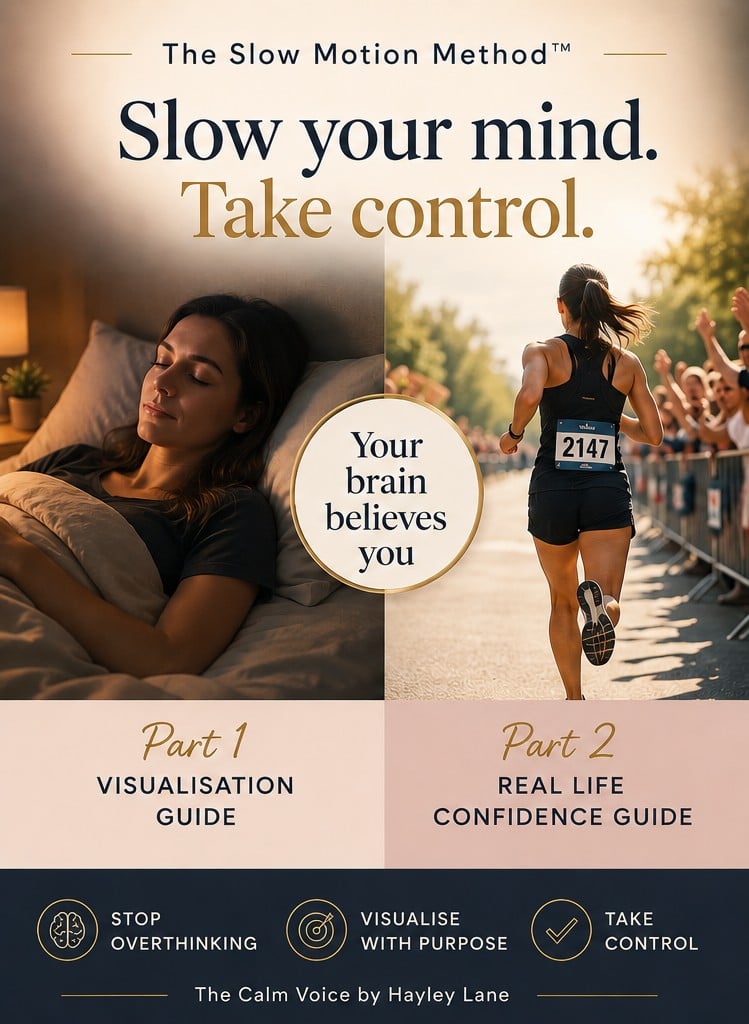
The second script (“Real World Practice”) is key.
👉 It creates:
- transfer from mental practice → real-life behaviour
Most methods fail here.
5. It encourages active control, not passive calm
Instead of just “relaxing,” users learn to:
- choose focus
- filter stimuli
- respond deliberately
➡️ This builds agency, not just calmness.
6. It’s adaptable across ages and contexts
This versions show scalability:
- Adults → performance, stress, focus
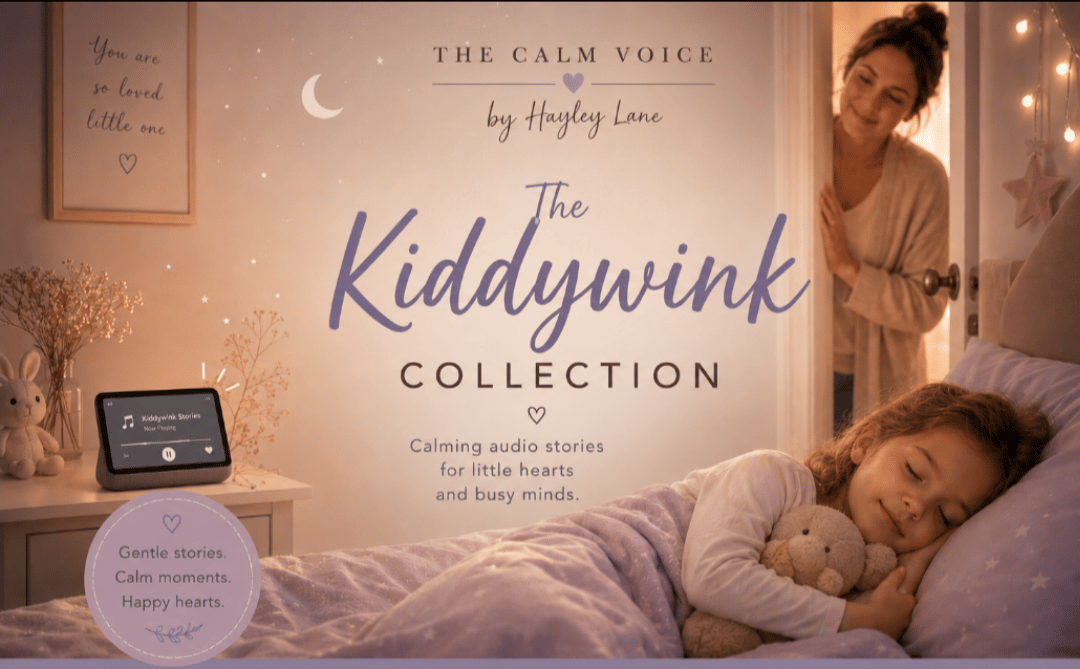
- Kids → emotional regulation through imagination
👉 This aligns with developmental psychology principles:
- children respond better to imagery and “superpowers”
🧩 Why It Actually Works in Real Life
The effectiveness comes from layering mechanisms at the same time:
- Physiological regulation (breathing)
- Neural priming (visualisation)
- Attention control (slow motion perception)
- Emotional grounding (sensory awareness)
- Cognitive reframing (the “bubble”)
👉 Instead of relying on one tool, users are:
regulating body + training brain + shaping perception simultaneously
“The Slow Motion Method works because it doesn’t just calm the mind—it changes how the brain processes time, stress, and attention in the moment.”