
Residential plumbing services in Hamilton get called in for the obvious problems, burst pipes, overflowing toilets, water heater failures. But a lot of what goes wrong in a home's plumbing system builds quietly over months before it becomes undeniable. The homeowners who catch things early are usually the ones who know what to pay attention to.
Hamilton's residential housing landscape is diverse. You've got century homes in Kirkendall and Corktown with original cast iron stacks and lead-free copper repiping done in the 1970s or 80s, and you've got newer subdivisions in the outer wards where PEX and ABS are standard. Each of these material types has different maintenance needs and failure patterns. A plumber who only knows one type of system is going to miss things.
Why Do So Many Homeowners Overlook Pipe Condition Until It's Too Late?
The honest reason is that pipes are out of sight. Under the floor, inside the walls, buried in the ground between the city main and the foundation. Most people only think about them when something visible goes wrong. But the indicators are usually there earlier: water pressure that's slightly lower than it used to be, a faint sulphur or metallic smell from the tap, or a water bill that's crept up without explanation.
According to the U.S. Environmental Protection Agency, the average household leak wastes nearly 10,000 gallons of water per year, and about 10 percent of homes have leaks that waste 90 gallons or more per day. While those figures are American, Canadian plumbing studies reflect similar patterns. The waste is real, and it adds up on every utility bill.
When Does a Slow Drain Become a Real Problem?
A slow drain is almost never just a slow drain. In most cases, it's partial blockage, whether from hair and soap scum in a bathroom sink, food solids and grease in a kitchen line, or mineral deposits in older cast iron pipes. Left alone, partial blockages become full blockages, and full blockages can create back pressure that stresses joints and seals elsewhere in the system.
Home plumbing repair service amilton frequently uncover secondary problems: corroded p-traps, improperly vented lines, or drain pipes that weren't installed at the correct pitch and have been running slow since day one. The fix for those goes beyond snaking the drain.
What Does Kitchen Sink Pipe Repair Actually Involve?
More than most people expect. Under a kitchen sink, you typically have the p-trap, the trap arm running into the wall, a drain tailpiece, and in many older homes, an air gap for the dishwasher connection. Any of these can fail, and each one fails differently.
Kitchen sink pipe repair most often involves replacing the p-trap assembly due to cracking or corrosion, resealing or replacing the drain basket where it meets the sink basin, or addressing a clogged trap arm that's inside the wall. If the line inside the wall has scaled up significantly, a jetting service may be needed rather than a standard drain snake, which only punches through blockage without clearing the pipe walls.
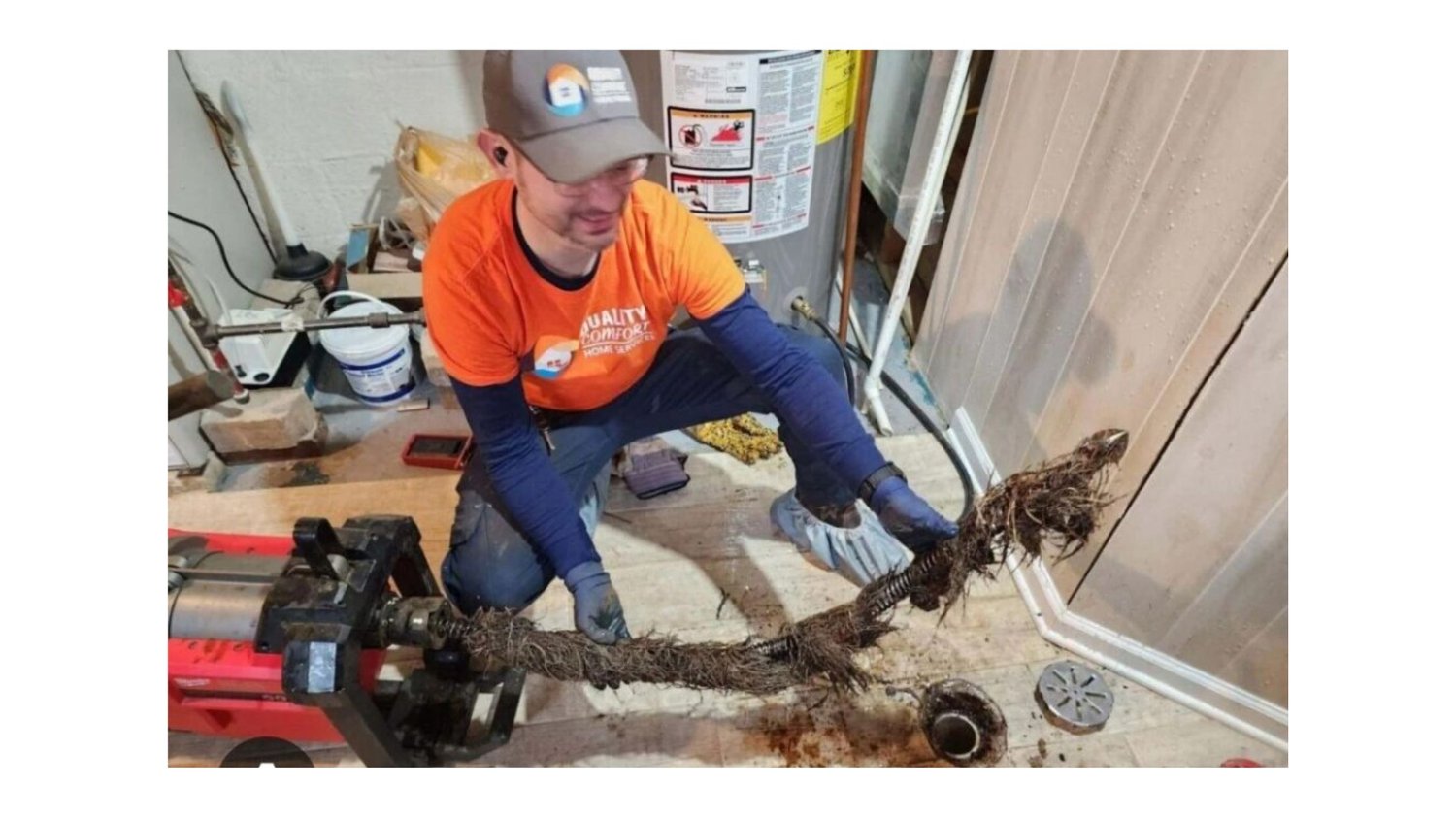
For homes connected to older clay tile sewer laterals, there's also the possibility of root intrusion further down the line, which a camera inspection can confirm. If you're interested in understanding what leak detection and repair in Hamilton covers, it goes well beyond what most people picture.
Making the Right Call With The Hamilton Plumber
The Hamilton Plumber handles residential plumbing in Hamilton across the full spectrum, from routine maintenance to complex diagnostics and repair. If your home's plumbing has been sending signals you've been putting off, now is a good time to have someone take a proper look. Reach out through the contact page and get a clear picture of where your system actually stands.