
Title: Unraveling the Past: Teaching the Battle of Clontarf to Primary School Children
Embarking on a journey through history can be an exciting and enriching experience for primary school children. One pivotal event that captures the imagination and significance of Ireland's past is the Battle of Clontarf in 1014. In this blog, we'll explore creative and engaging ways to teach this historical event to young learners, fostering a sense of curiosity and connection with the past as well.
Set the Stage with Storytelling:
Begin by weaving a captivating narrative around the Battle of Clontarf. Use age-appropriate language and vivid descriptions to transport the children back to medieval Ireland. Emphasize the characters, including the heroic High King Brian Boru and the Norse warriors, making the story come alive.
Visual Aids and Maps:
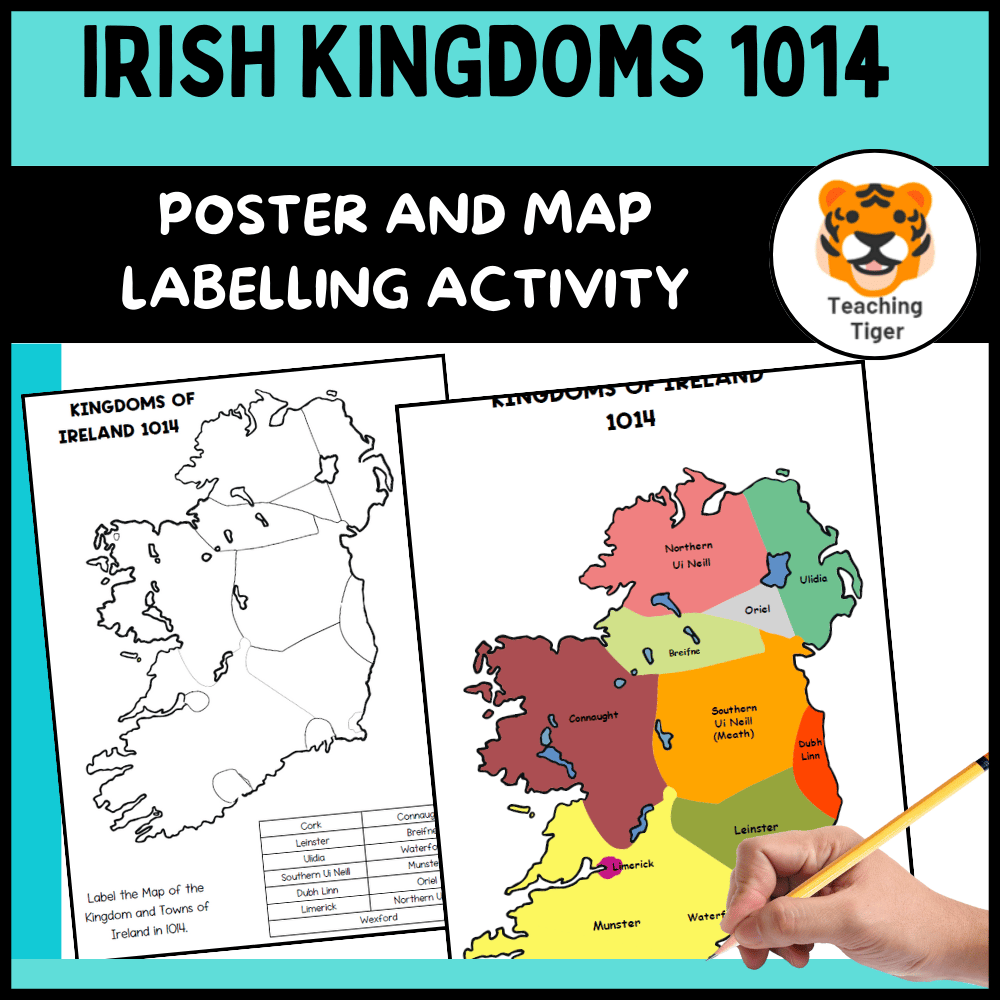
Enhance the learning experience with visual aids and maps. Provide illustrations or diagrams that showcase the geography of Ireland and the battleground at Clontarf. Colorful visuals can help children grasp the layout of the conflict and understand the strategic elements involved.
Interactive Activities:
Foster active engagement through hands-on activities. Encourage children to create their own shields and swords, allowing them to role-play as warriors from different factions. Arrange a mock battle or reenactment in the classroom, providing a dynamic and memorable experience.
Create artifacts
Bring history into the present by crafting artifacts related to the Battle of Clontarf. Have the children design their own Viking longships or Irish round shields using simple materials. This not only reinforces the historical context but also nurtures creativity.
Incorporate Multimedia:
Leverage multimedia resources to add a multimedia dimension to the lesson. Show age-appropriate videos or animations that depict the events leading up to the battle. This can include virtual tours of Clontarf or animated retellings of the historical clash.
Role-Playing and Dramatization:
Encourage children to step into the shoes of historical figures through role-playing and dramatization. Assign roles such as Brian Boru, Viking leaders, or ordinary villagers, allowing children to explore different perspectives and gain a deeper understanding of the diverse characters involved.
Themed Projects and Presentations:
Foster independent research and creativity by assigning themed projects. Have students create posters, dioramas, or presentations about the Battle of Clontarf. This not only reinforces what they've learned but also allows them to showcase their unique perspectives.
Field Trip or Virtual Exploration:
If possible, organize a field trip to historical sites or museums that showcase artifacts from the Viking Age in Ireland. Alternatively, explore virtual tours and online resources to bring the historical context closer to the students.
Conclusion:
Teaching the Battle of Clontarf to primary school children is a journey into Ireland's rich past, filled with bravery, strategy, and cultural exchanges. By combining storytelling, visuals, hands-on activities, and interactive experiences, educators can make history come alive, fostering a lifelong appreciation for the intriguing tapestry of our collective heritage.
Resources
A poster of the Kingdoms of Ireland and Viking settlements as well as a labelling activity can be found here