


Testing season doesn’t have to feel repetitive or stressful. When students are engaged in active review, they retain more information and participate more willingly.
🎯 Why Review Games Work
Interactive review increases engagement, motivation, and recall. Instead of passive worksheets, students are actively thinking, moving, and applying skills.
This aligns with research showing that active learning improves retention and understanding.
🎲 5 Low-Prep Review Games
1. Trashketball – Answer questions, then shoot for points.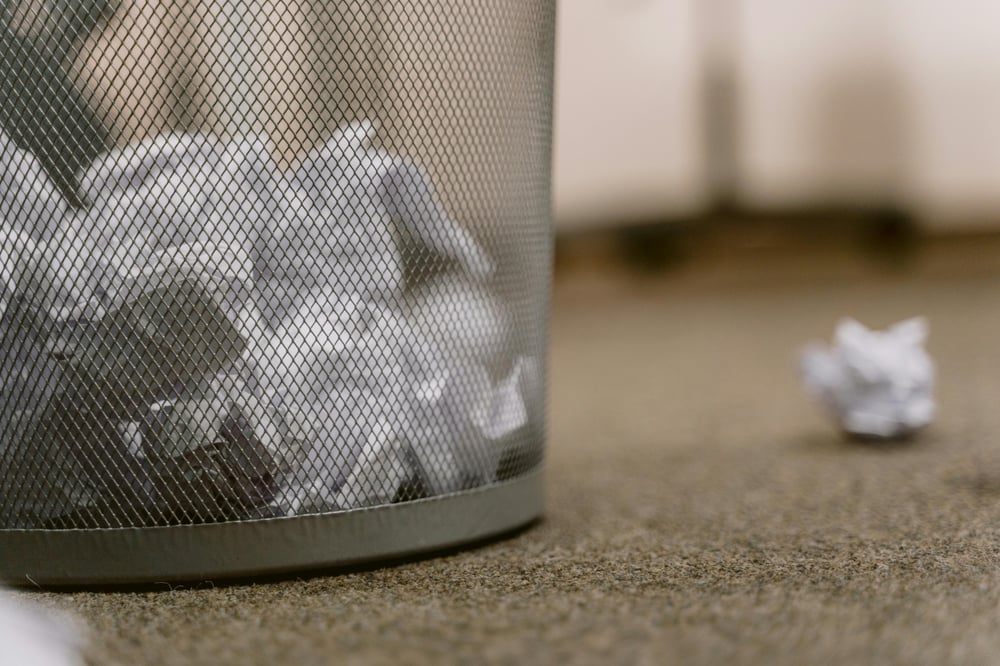
🧠 Overview
Trashketball is a competitive review game where students answer questions correctly to earn a chance to shoot a “basket” for points.
📋 Setup (5–10 minutes)
- Crumpled paper balls OR soft foam balls
- Trash can or basket at the front
- Review questions (projected or printed)
- Optional: scoreboard on board
🎯 How to Play
- Divide students into teams.
- Ask a review question.
- Teams solve and show/discuss answers.
- If correct, a student earns a shot at the basket.
- Assign point values based on distance (1–3 points).
- Continue rotating teams.
💡 Variations
- Silent mode: students must write answers before discussion
- Timed shots: add pressure with countdown
- Skill rounds: harder questions = farther shots
👩🏫 Teacher Tip
Keep the pace fast—don’t let shooting slow down the learning. The academic response is more important than the game itself.
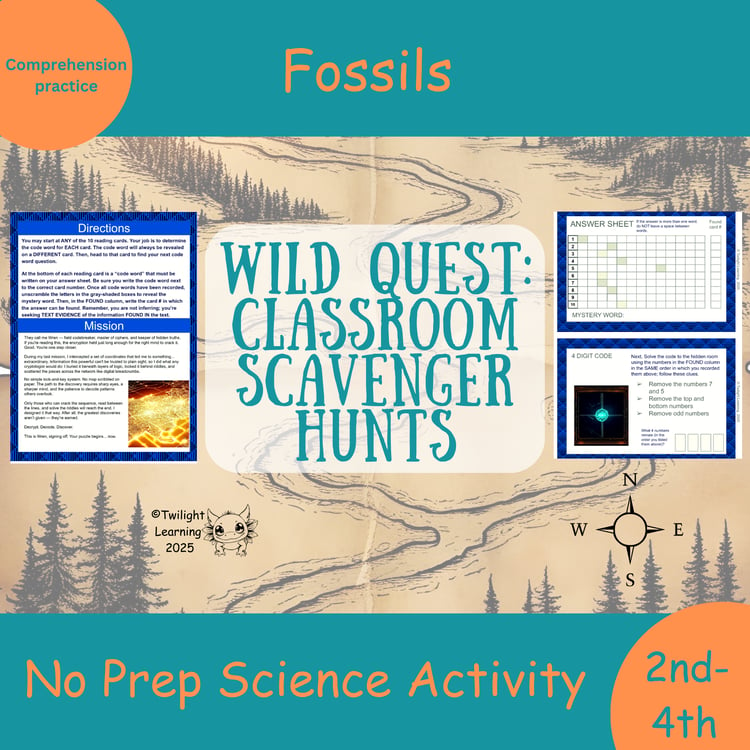
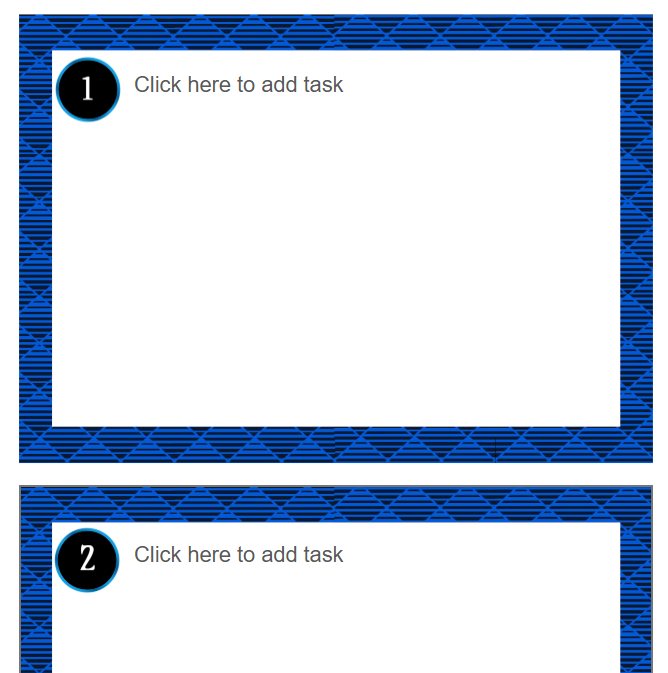
2. Around the Room Task Cards – Movement-based rotation review. This is one in my store about fossils. The blank one is my freebie in my store.
🧠 Overview
Students rotate around the classroom solving task cards placed on walls, desks, or stations.
📋 Setup (10–15 minutes)
- Print task cards
- Tape them around the room
- Answer sheet or recording sheet for students
- Optional: clipboards
🎯 How It Works
- Students start at any card.
- Solve the problem individually or in pairs.
- Record answers on their sheet.
- Rotate clockwise after a set time (2–5 minutes).
- Continue until all cards are completed.
💡 Variations
- Scoot version: teacher calls “move!”
- Partner version: one reads, one writes
- Challenge cards: bonus questions for early finishers
👩🏫 Teacher Tip
Mix difficulty levels around the room so students don’t feel stuck in one area.
3. Partner Quiz Trade – Peer-to-peer checking.
🧠 Overview
Students solve problems, then “trade” questions with classmates to check understanding and discuss answers.
📋 Setup (5–10 minutes)
- Question cards (one per student or pair)
- Answer key (teacher or hidden on back of card)
🎯 How to Play
- Each student gets a card with a question.
- Students solve independently.
- They pair up and quiz each other.
- They check answers and discuss mistakes.
- Students “trade” cards and find a new partner.
💡 Variations
- Add a rule: must explain reasoning before trading
- Use color-coded difficulty levels
- Turn into a timed challenge
👩🏫 Teacher Tip
Encourage students to explain why an answer is correct—not just the answer itself. This builds deeper understanding.
4. Whiteboard Showdown – Instant whole-class participation.
🧠 Overview
All students respond to questions at the same time using whiteboards, making it an excellent quick-check review game.
📋 Setup (2–5 minutes)
- Mini whiteboards or paper sleeves
- Dry erase markers
- Prepared questions
🎯 How It Works
- Ask a question.
- Students solve independently on whiteboards.
- On your signal, all students hold up answers.
- Quickly check and discuss correct answers.
- Repeat.
💡 Variations
- Elimination rounds (last correct group wins)
- Team points instead of individual
- “Explain your answer” follow-up
👩🏫 Teacher Tip
Walk around while students solve—this gives you instant formative assessment data.
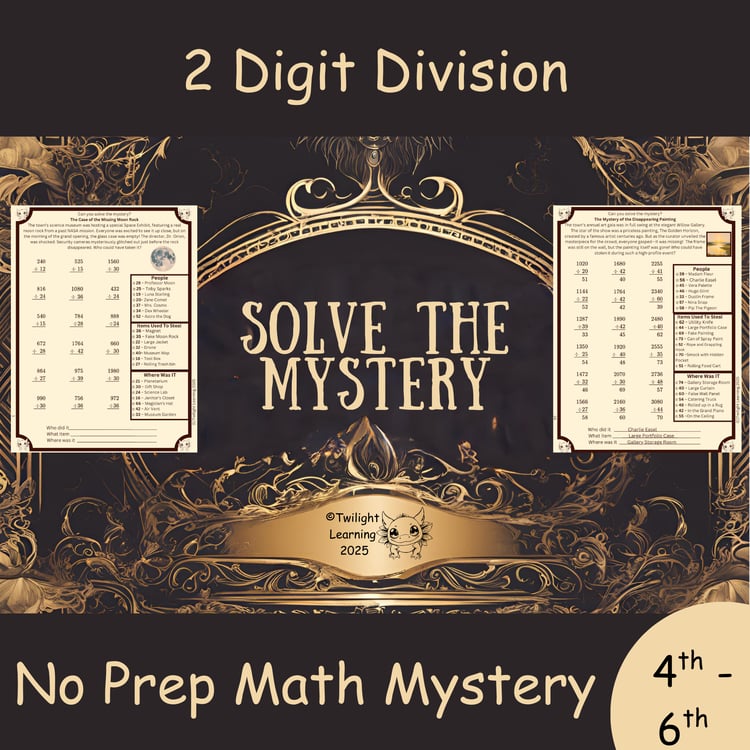
5. Mystery Challenge – Puzzle-based problem solving. Check out mine here!
🧠 Overview
Students solve problems to unlock clues that lead to a final answer, mystery, or reward.
📋 Setup (10–20 minutes depending on complexity)
- Series of review questions
- Clue cards or puzzle pieces
- Final “mystery answer” (word, image, code, etc.)
🎯 How It Works
- Students solve question 1 to unlock clue 1.
- Each correct answer reveals the next step.
- Students continue solving until the final mystery is revealed.
- First group or whole class to complete wins.
💡 Mystery Ideas
- Solve to reveal a hidden picture
- Crack a classroom “code”
- Unlock a secret message
- Escape-room style challenge
👩🏫 Teacher Tip
Make sure clues require thinking, not just copying answers. Each step should reinforce a key skill.
🧠 WHY THESE GAMES WORK
All five strategies support:
- Active recall
- Movement-based learning
- Peer collaboration
- Formative assessment
They align with research on active learning showing that students retain more when they are engaged, discussing, and applying knowledge rather than passively receiving it.
💡 Teacher Tip
Mix movement, collaboration, and competition throughout the week to keep energy high and reduce burnout.
📚 Source
Research from American Psychological Association shows that active learning strategies significantly improve student performance and retention compared to passive instruction.
Comments ()