

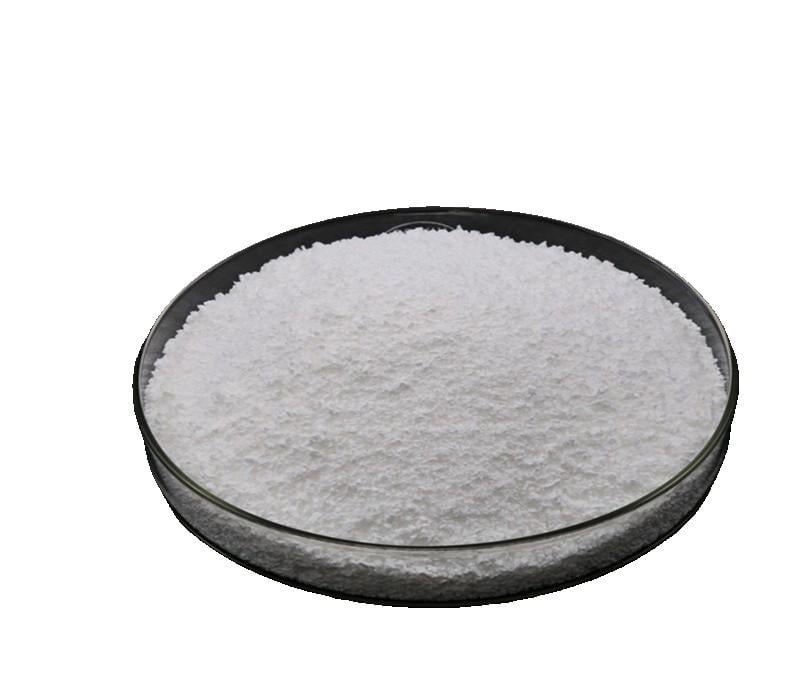
2-Deoxy-D-Ribose (2dDR), a naturally occurring pentose sugar with the molecular formula C₅H₁₀O₄, has emerged as a compound of significant research interest in recent years. Originally identified in 1930 as a component of DNA structure, this sugar molecule has garnered attention for its unique biological properties and potential therapeutic applications across multiple medical fields.
Key Research Developments in 2024-2025
Hair Loss Treatment Breakthrough
The most notable recent development in 2dDR research has been in the field of androgenic alopecia treatment. A groundbreaking study published in Frontiers in Pharmacology in June 2024 demonstrated that 2dDR can effectively stimulate hair regrowth in animal models of androgenic alopecia (AGA). The research revealed that 2-deoxy-D-ribose (2dDR) is 80%–90% as effective as VEGF in the stimulation of neovascularization in in vitro models and in a chick bioassay.
This discovery is particularly significant because it addresses the root cause of androgenic alopecia by improving blood supply to hair follicles through enhanced angiogenesis (new blood vessel formation). The mechanism works by upregulating vascular endothelial growth factor (VEGF), a crucial protein that promotes blood vessel development.
Commercial applications have already begun to emerge, with companies reporting promising results. According to recent market data from 2025, 92% of their customers report no new hair loss, and 54% report new growth within 60–120 days when using 2dDR-based products.
Angiogenesis and Wound Healing
Beyond hair loss treatment, 2dDR has shown remarkable potential in wound healing applications. Research has focused on developing advanced wound dressings that utilize 2dDR's ability to stimulate angiogenesis. Studies have demonstrated that 2dDR can serve as an effective "backdoor route" for stimulating VEGF production, leading to accelerated wound healing processes.
Recent work has explored the development of alginate-based tube gels delivering 2dDR for wound healing applications, particularly targeting diabetic and superficial wounds where enhanced vascularization is crucial for recovery.
Energy Metabolism and Athletic Performance
2-Deoxy-D-ribose is a vital sugar in energy metabolism, essential for ATP production, making it valuable for exercise recovery and energy enhancement applications. Research has explored its potential as a supplement for athletes and individuals seeking improved energy metabolism and post-exercise recovery.
Mechanism of Action
The therapeutic effects of 2dDR appear to be primarily mediated through its ability to stimulate angiogenesis. Unlike other sugars, 2dDR specifically upregulates VEGF production, leading to the formation of new blood vessels. This mechanism has proven effective across multiple applications, from hair follicle revitalization to wound healing acceleration.
The compound works by:
- Enhancing neovascularization processes
- Promoting VEGF upregulation
- Improving local blood supply to target tissues
- Supporting cellular energy metabolism through ATP production
Safety Considerations and Research Limitations
While the therapeutic potential of 2dDR is promising, researchers emphasize the need for more extensive clinical trials. Research on 2DDR is still in its early stages. Some preliminary studies suggest that it could be effective in promoting hair growth, but more extensive clinical trials are necessary to confirm its efficacy and safety.
Some studies have also identified potential concerns. Research has indicated that 2-deoxy-D-ribose can induce cellular damage through increased oxidative stress and protein glycation in certain cell lines, particularly pancreatic β-cells. This highlights the importance of proper dosing and application methods.
Commercial Applications and Market Development
The commercial potential of 2dDR has led to the development of various formulations, including:
- Topical serums and treatments for hair loss
- Wound dressing materials incorporating 2dDR
- Energy supplements for athletic performance
- Research-grade powder for scientific applications
Companies are now offering 2dDR in various purities and formulations, with products ranging from research-grade 97% pure compounds to consumer-ready topical applications.
Future Research Directions
Current research trends indicate several promising areas for future investigation:
- Long-term safety studies in human populations
- Optimization of dosing protocols for different applications
- Combination therapies incorporating 2dDR with other therapeutic agents
- Development of novel delivery systems for enhanced bioavailability
- Comparative studies with established treatments
Conclusion
The recent surge in 2-deoxy-D-ribose research represents a significant advancement in understanding this compound's therapeutic potential. From hair loss prevention to wound healing acceleration, 2dDR has demonstrated remarkable versatility in promoting angiogenesis and tissue regeneration. While early results are highly promising, the scientific community emphasizes the need for continued research to fully establish safety profiles and optimize therapeutic protocols.
As we move forward, 2dDR may well represent a breakthrough in treating conditions where enhanced vascularization is key to therapeutic success. The compound's natural origin, combined with its potent biological effects, positions it as a compelling candidate for various medical applications in the coming years.
Comments ()