

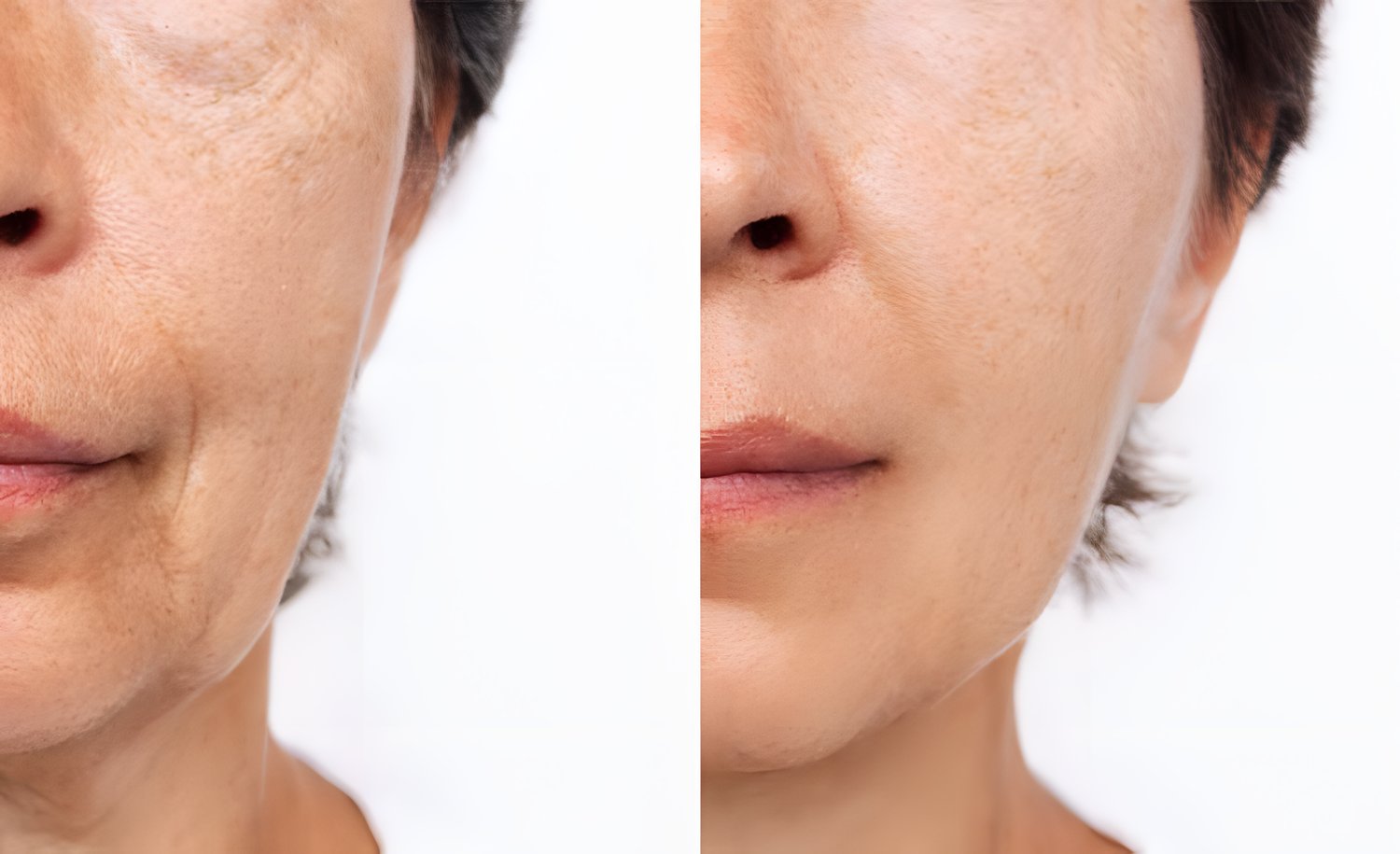
In the search for younger-looking, healthier skin, one ingredient continues to stand out across anti-aging research and cosmetic science: GHK-Cu (glycyl-L-histidyl-L-lysine: copper(II)). First discovered in human plasma in the 1970s, this naturally occurring copper peptide has gained prominence for its regenerative properties and its ability to reduce fine lines, smooth deep wrinkles, and improve mottled pigmentation.
What is GHK-Cu?
GHK-Cu is a small, copper-binding peptide found in human plasma, saliva, and urine. With age, the natural levels of GHK-Cu in the body decline significantly. This reduction is linked with many visible signs of aging, including skin thinning, reduced elasticity, wrinkles, and hyperpigmentation.
This tripeptide serves a variety of biological functions:
- Stimulating collagen and glycosaminoglycan production
- Promoting wound healing and skin regeneration
- Exhibiting anti-inflammatory and antioxidant activity
- Encouraging hair growth and improved skin barrier function
How GHK-Cu Reduces Fine Lines and Deep Wrinkles
Fine lines and wrinkles are caused primarily by a reduction in collagen and elastin, two proteins responsible for the skin’s structure and elasticity. GHK-Cu directly addresses this root cause:
- Collagen synthesis: Studies show GHK-Cu boosts production of types I, III, and IV collagen. These structural proteins fill in lines, firm up sagging areas, and reduce wrinkle depth.
- Fibroblast stimulation: GHK-Cu activates dermal fibroblasts, the cells that produce collagen and elastin. This leads to a plumper, more youthful skin appearance.
- Antioxidant defense: GHK-Cu helps neutralize free radicals that break down collagen and damage DNA, protecting the skin from future wrinkle formation.
Addressing Mottled Pigmentation and Uneven Skin Tone
Mottled pigmentation, characterized by blotchy, uneven patches of light and dark skin, is often the result of UV damage and inflammation. GHK-Cu addresses these issues on multiple fronts:
- Reduces inflammation: By lowering levels of pro-inflammatory cytokines like TNF-alpha and IL-6, GHK-Cu helps calm the skin and prevent pigment overproduction.
- Regulates melanogenesis: GHK-Cu has been shown to normalize melanocyte activity, preventing the overproduction of melanin that causes age spots and hyperpigmentation.
- Promotes skin renewal: GHK-Cu increases the expression of genes linked to skin regeneration, which helps fade dark spots and promotes an even complexion.
Clinical Evidence
Numerous in vitro and clinical studies support the efficacy of GHK-Cu in skin repair and rejuvenation:
- In a 12-week double-blind study, GHK-Cu cream showed significant improvements in skin laxity, clarity, and reduced wrinkle volume compared to placebo.
- A separate study published in The Journal of Investigative Dermatology showed that GHK-Cu promotes wound healing and improves the skin barrier function, helping reduce visible aging signs.
How to Use GHK-Cu
GHK-Cu is typically found in serums, creams, or topical solutions with concentrations ranging from 0.5% to 1%. For best results:
- Apply to clean skin, morning and/or evening.
- Follow with a moisturizer to lock in hydration.
- Use broad-spectrum sunscreen daily, as GHK-Cu encourages cell turnover, which may make skin more sensitive to UV.
It can be safely combined with most other active ingredients, including hyaluronic acid, niacinamide, and peptides. Avoid layering with strong acids or retinoids until you understand your skin’s tolerance.
GHK-Cu offers a unique, science-backed pathway to reduce fine lines, diminish deep wrinkles, and restore skin tone affected by mottled pigmentation. Its dual action—stimulating collagen production and regulating pigmentation—makes it a powerful multitasker in any anti-aging skincare regimen.
As with all skincare, consistency is key. When used regularly, GHK-Cu can help reveal firmer, brighter, and more even-toned skin, proving that small peptides can deliver big results.
Comments ()