

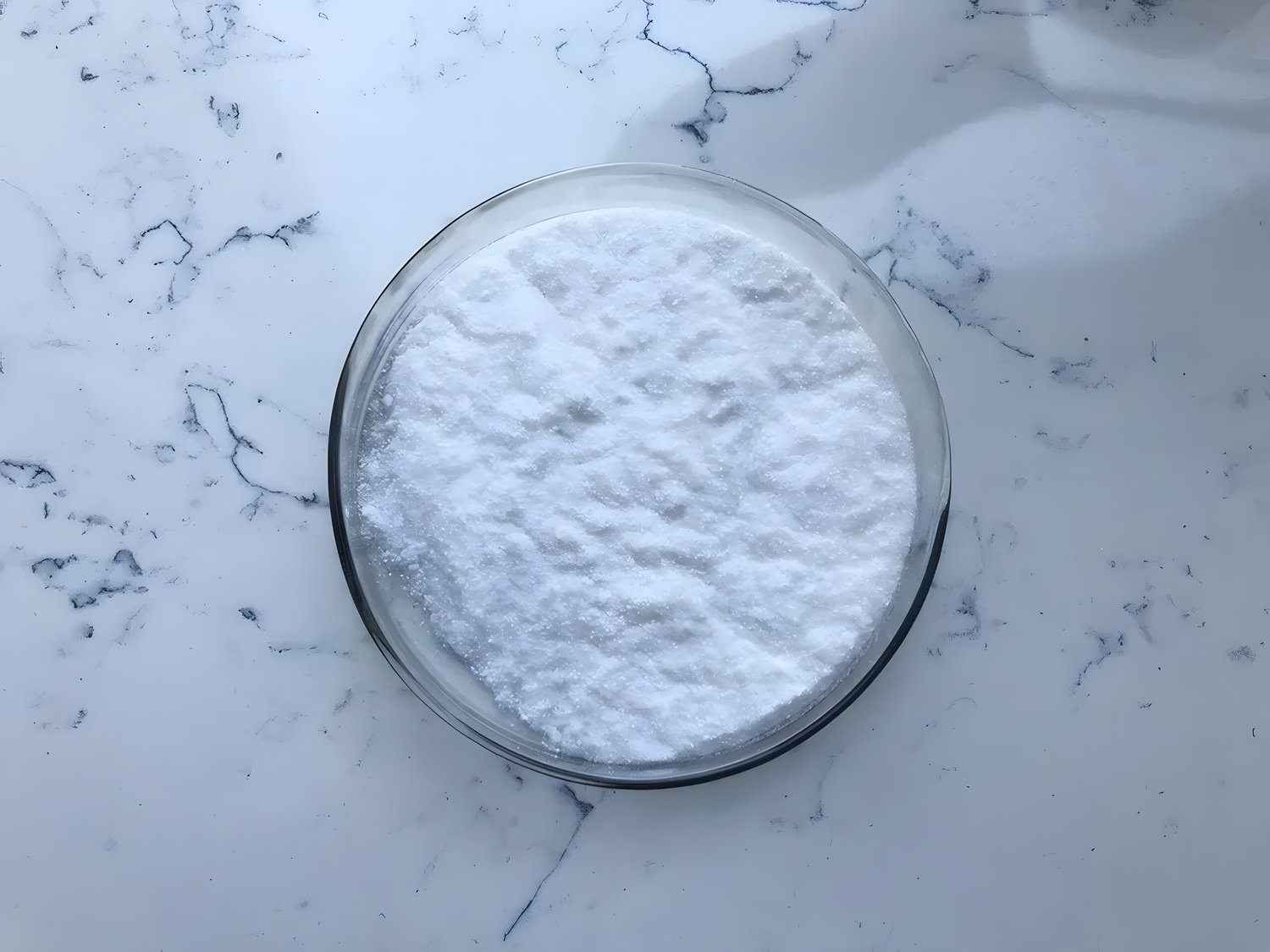
Hair loss affects millions of people worldwide, and while minoxidil and finasteride remain gold standards in treatment, new ingredients are constantly being explored for their potential to stimulate hair growth. One such promising molecule is 2-deoxy-D-ribose (2dDR) — a simple sugar with profound biological implications. Emerging evidence suggests that 2dDR may play a beneficial role in promoting hair growth by improving blood flow, stimulating cell activity, and enhancing skin regeneration.
This article dives into the science of 2-deoxy-D-ribose, how it works, and why it’s being studied as a supportive ingredient in hair loss serums.
What Is 2-Deoxy-D-Ribose?
2-Deoxy-D-ribose (2dDR) is a naturally occurring monosaccharide and a structural component of DNA. It differs from the standard sugar D-ribose by lacking an oxygen atom on the 2' carbon of the sugar ring — hence the name "deoxy."
While its primary biological role is in forming the DNA backbone, topical application of 2dDR has shown surprising benefits, especially in promoting angiogenesis (the formation of new blood vessels), cellular metabolism, and tissue repair.
How 2dDR May Support Hair Growth
Hair follicles are highly vascularized mini-organs that depend on a rich supply of oxygen and nutrients. Many types of hair loss — especially androgenetic alopecia — involve a gradual miniaturization of hair follicles and reduced blood flow to the scalp. That’s where 2dDR’s unique properties come in.
1. Stimulates Angiogenesis (Blood Vessel Formation)
A key study published in Scientific Reports (2016) demonstrated that 2dDR can promote angiogenesis by stimulating endothelial cells — the cells that line blood vessels. This is crucial for hair follicles because:
- Increased blood flow = better nutrient and oxygen delivery
- Healthier blood supply = stronger hair follicle cycles
- Angiogenesis = recovery of miniaturized follicles
In comparison to traditional agents like VEGF (vascular endothelial growth factor), 2dDR showed strong pro-angiogenic effects without harmful inflammatory side effects.
2. Enhances Cellular Energy and Tissue Repair
2dDR supports cellular ATP production (energy), especially in damaged or ischemic tissues (where blood flow is low). Since dormant hair follicles often exist in an energy-deprived state, 2dDR may help “re-awaken” these follicles by restoring metabolic activity.
3. Anti-Inflammatory & Healing Properties
Chronic inflammation can exacerbate hair thinning. 2dDR is non-toxic, non-immunogenic, and has shown wound-healing properties in several models. This makes it ideal for sensitive skin formulations, including hair loss serums.
Scientific Studies Supporting 2dDR
Several scientific publications have explored the therapeutic benefits of 2dDR, particularly:
- "2-Deoxy-D-Ribose Promotes Angiogenesis" – Scientific Reports (2016)
- 2dDR stimulated blood vessel formation in vitro and in vivo.
- Compared favorably to bFGF and VEGF in efficacy.
- No adverse immune response.
- Wound healing models (2020)
- 2dDR accelerated wound closure and promoted dermal tissue regeneration.
- Improved fibroblast and keratinocyte activity (key skin and scalp cells).
While direct studies on hair loss are limited, these findings strongly imply a supportive role for 2dDR in hair regrowth, particularly when paired with other active ingredients like minoxidil, caffeine, or copper peptides (GHK-Cu).
Practical Applications: How 2dDR Is Used in Hair Loss Products
Most hair growth serums that include 2dDR use it at concentrations ranging from 0.5% to 2.5%, typically in combination with:
- Minoxidil (vasodilator) – enhances blood flow.
- Caffeine – prolongs the anagen (growth) phase of the hair cycle.
- GHK-Cu (copper peptide) – improves follicle signaling and healing.
- Hyaluronic acid – hydrates and helps with delivery of actives.
When formulated properly, 2dDR acts as a booster molecule, improving the efficacy of other hair loss actives by rejuvenating the scalp microenvironment and promoting healthy follicular function.
Safety Profile
2-deoxy-D-ribose is generally considered safe for topical use, with no known systemic toxicity at therapeutic concentrations. Since it is a sugar derivative naturally found in the body (as part of DNA), the risk of allergic reaction or irritation is very low.
Final Thoughts
2-Deoxy-D-ribose is a novel, science-backed ingredient that may provide a supportive mechanism for treating hair loss. While not a standalone cure, it works synergistically with established ingredients to:
✅ Improve scalp blood flow
✅ Support energy-depleted follicles
✅ Promote angiogenesis
✅ Accelerate healing and reduce inflammation
As more clinical trials are conducted, we expect to see greater adoption of 2dDR in next-generation hair growth serums.
References:
- G. Sweeney, et al. (2016). 2-Deoxy-D-Ribose promotes angiogenesis. Scientific Reports.
- R. Fernandes, et al. (2020). Application of 2-Deoxy-D-Ribose in Wound Healing. Journal of Tissue Regeneration.
- Schmid D. (2018). Topical Use of 2-Deoxy-D-Ribose in Cosmetic Formulations. Cosmetic Dermatology Review.
Comments ()