

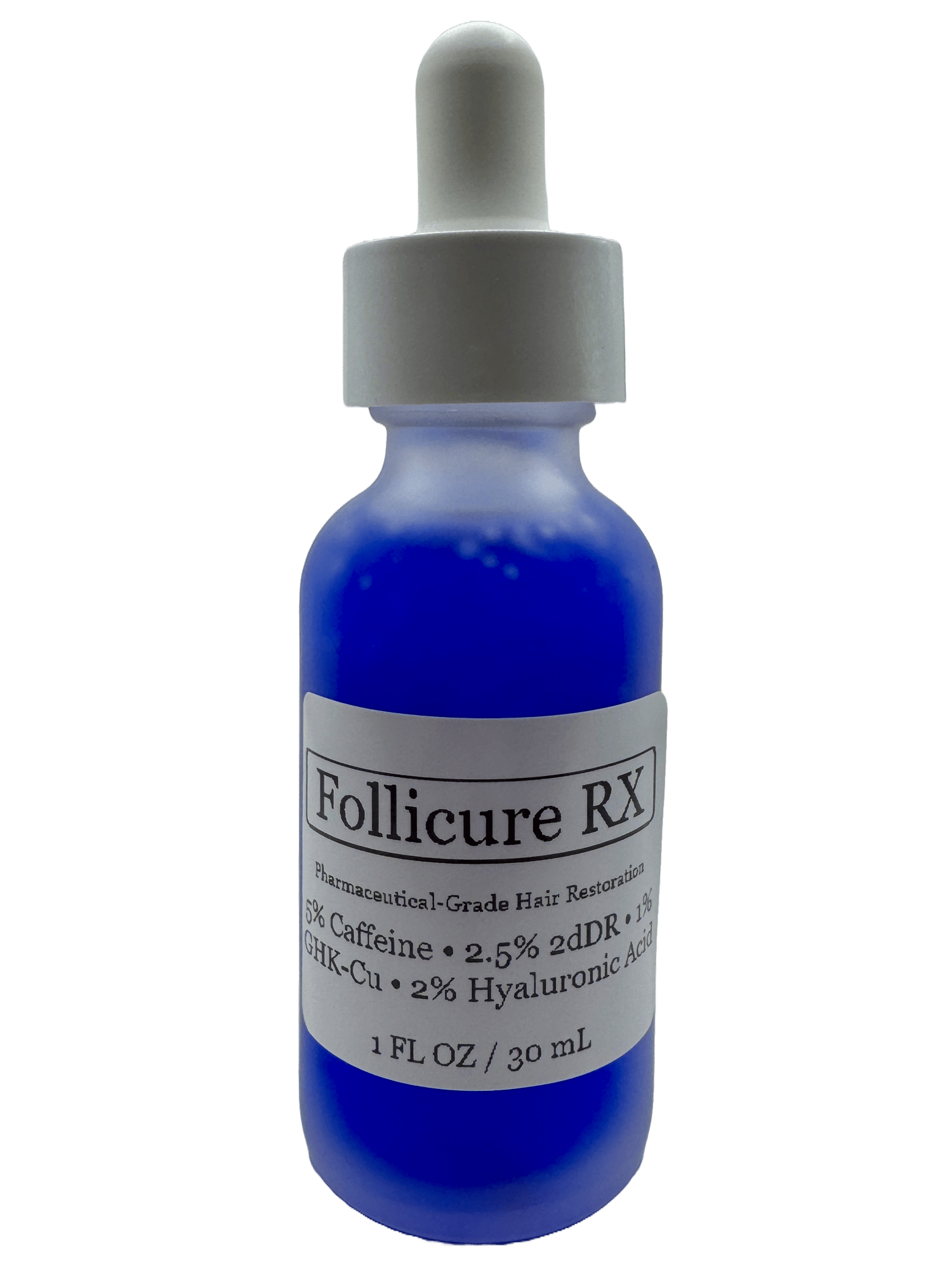
Hair loss affects millions of men and women worldwide, leading to a surge in interest around ingredients that claim to support hair growth. One surprising contender that has gained traction in both research and commercial formulations is caffeine—yes, the same stimulant found in your morning coffee. But how does caffeine relate to hair loss, and what does the science actually say?
Let’s explore the research behind caffeine’s potential to combat hair loss and promote healthier, fuller hair.
How Hair Loss Happens
Before diving into caffeine, it’s helpful to understand what causes hair loss. The most common type is androgenetic alopecia (AGA), or pattern baldness. This condition is largely influenced by dihydrotestosterone (DHT), a byproduct of testosterone that shrinks hair follicles over time. As follicles miniaturize, hair becomes thinner, weaker, and eventually stops growing.
Caffeine’s Potential Role in Hair Growth
Caffeine is most well-known for its stimulating effects on the central nervous system, but it has also been found to stimulate cellular activity and microcirculation, which can support hair follicle function. Here are several ways caffeine may help:
- Counteracting DHT: Caffeine has been shown in lab studies to counteract the suppressive effects of DHT on hair follicles.
- Stimulating Hair Follicles: Caffeine may increase the production of ATP (adenosine triphosphate), the energy source for cells, helping to support the growth phase (anagen) of hair.
- Improving Scalp Microcirculation: Caffeine improves blood flow, potentially delivering more nutrients and oxygen to the hair roots.
Key Studies on Caffeine and Hair Loss
1. 2007 Study – Journal of International Dermatology
One of the most cited studies is from Dr. Tobias Fischer and colleagues (2007), which explored the effects of caffeine on human hair follicles in vitro (in a lab setting). The research found that:
- Caffeine stimulated hair shaft elongation in male hair follicles.
- It counteracted the effects of DHT, preserving the growth of hair follicles.
- Optimal concentrations of caffeine enhanced follicle activity without causing damage.
Conclusion: Caffeine may serve as a potential agent in the treatment of AGA by protecting hair follicles from DHT-induced suppression
2. 2014 Study – British Journal of Dermatology
This double-blind, randomized study examined the efficacy of topically applied caffeine shampoos. Subjects using caffeine-based shampoos over a period showed improvements in hair thickness and reduced hair shedding compared to those using placebo shampoos.
Conclusion: Topical caffeine may have a significant effect in reducing hair loss when applied consistently.
3. In Vivo Absorption Studies
Further research has demonstrated that caffeine can penetrate the skin and hair follicles when applied topically, especially when delivered in an alcohol or liposomal base. One study showed that caffeine appeared in the hair follicle as quickly as 5 minutes after application.
Conclusion: Topical delivery of caffeine is both feasible and effective, making it a viable ingredient in hair serums and shampoos.
Caffeine vs Minoxidil: How Do They Compare?
While minoxidil is an FDA-approved gold standard for hair regrowth, studies suggest caffeine may offer a gentler, non-prescription alternative or adjunct therapy. Minoxidil works by widening blood vessels and prolonging the anagen phase of hair, while caffeine works by energizing follicles and counteracting DHT.
Some formulations now combine both ingredients to maximize hair growth benefits.
Using Caffeine for Hair Loss: Tips
If you're considering using caffeine as part of your hair care routine, here’s how:
- Look for topical treatments: Choose serums, tonics, or shampoos with a high-quality, standardized caffeine extract.
- Apply consistently: Like any hair loss treatment, consistency is key. Daily or near-daily application shows the best results.
- Combine with other actives: Ingredients like GHK-Cu, niacinamide, biotin, or hyaluronic acid can complement caffeine’s effects.
Final Thoughts: Is Caffeine the Future of Hair Loss Treatment?
While caffeine alone may not be a miracle cure for baldness, research shows it holds real promise as a complementary treatment—especially when used early or alongside other proven ingredients. With its ability to stimulate hair follicles, protect against DHT, and improve scalp health, caffeine deserves a spot on the list of effective, science-backed hair care ingredients.
References:
- Fischer TW, Hipler UC, Elsner P. Effect of caffeine and testosterone on the proliferation of human hair follicles in vitro. Int J Dermatol. 2007.
- Brandner JM, et al. Follicular penetration of caffeine from a shampoo formulation: in vitro and in vivo studies. Br J Dermatol. 2014.
- Wagemaker M. Topical use of caffeine in the treatment of androgenetic alopecia. J Appl Cosmetol. 2011.
Comments ()