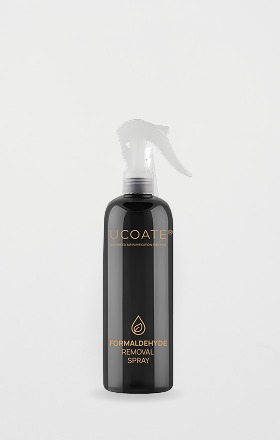

Formaldehyde Removal Handspray for Homes and Indoor Spaces in Singapore
Indoor air quality has become an important consideration for Singapore homeowners, tenants, offices, and businesses, particularly after renovation or when new furniture is introduced. Materials such as engineered wood, adhesives, coatings, and furnishings may release formaldehyde and other volatile organic compounds (VOCs) into indoor environments. A suitable Formaldehyde Removal Handspray can be a practical option for treating surfaces that may contribute to indoor formaldehyde exposure.
Understanding Formaldehyde Sources Indoors
Formaldehyde is a chemical compound commonly associated with certain resins, adhesives, pressed-wood products, and construction or furnishing materials. It may be released from products such as MDF boards, particleboard, plywood, cabinets, wardrobes, flooring materials, and newly installed furniture.
In Singapore, where many properties rely heavily on air conditioning and may have limited natural ventilation, indoor pollutants can remain in enclosed spaces. Newly renovated rooms may therefore require additional attention to ventilation and pollutant reduction.
Identifying possible sources is an important part of managing indoor air quality. Rather than focusing only on unpleasant odours, property owners should consider the potential presence of formaldehyde and other VOCs from recently installed materials.
How a Formaldehyde Removal Spray Can Help
A formaldehyde-removal spray is designed for application to appropriate surfaces where chemical emissions may originate. Depending on the formulation and intended use, a treatment can help reduce formaldehyde associated with treated materials.
A handspray format can be convenient for targeted applications. Instead of treating an entire property unnecessarily, users can focus on suitable areas such as furniture surfaces, cabinets, wardrobes, wooden panels, and other compatible materials.
However, the product should always be used according to its manufacturer's instructions. Surface compatibility, application quantity, drying requirements, ventilation, and other usage recommendations should be considered before treatment.
Practical Applications for Singapore Properties
A formaldehyde remover spray may be useful in different indoor settings. Homeowners may consider it after purchasing new furniture or completing renovation work. Offices can also have concerns about emissions from desks, cabinets, partitions, and other newly installed materials.
For newly furnished bedrooms, living rooms, kitchens, and study areas, identifying recently introduced materials can help determine where targeted treatment may be appropriate.
The same principle applies to commercial interiors. Retail shops, offices, studios, and other enclosed spaces may contain multiple furniture and decorative elements that require consideration when improving indoor air quality.
Combine Surface Treatment With Good Ventilation
Surface treatment should not be viewed as the only step in managing indoor pollutants. Good ventilation remains important because fresh-air exchange can help reduce concentrations of airborne contaminants.
After renovation or furniture installation, allowing adequate ventilation can support the reduction of volatile compounds. Air purification may provide another layer of support, while selecting low-emission materials can help reduce future pollutant sources.
A comprehensive indoor air-quality strategy therefore combines source management, ventilation, appropriate cleaning or treatment products, and regular maintenance.
Choosing the Right Formaldehyde Removal Product
Before purchasing a formaldehyde-removal handspray, users should examine the product's intended applications, instructions, safety information, and compatibility with the surfaces they plan to treat. Clear manufacturer information is valuable because different materials can respond differently to chemical treatments.
It is also important to follow the recommended dosage and application procedure rather than assuming that using more product will provide better results. Proper preparation and responsible use can help achieve more consistent treatment.
For Singapore homes and businesses dealing with concerns following renovation or the introduction of new furnishings, a targeted formaldehyde removal spray can be a useful component of an indoor air-quality management strategy. When combined with ventilation, source control, and suitable air purification, it can support a cleaner and more comfortable indoor environment.