


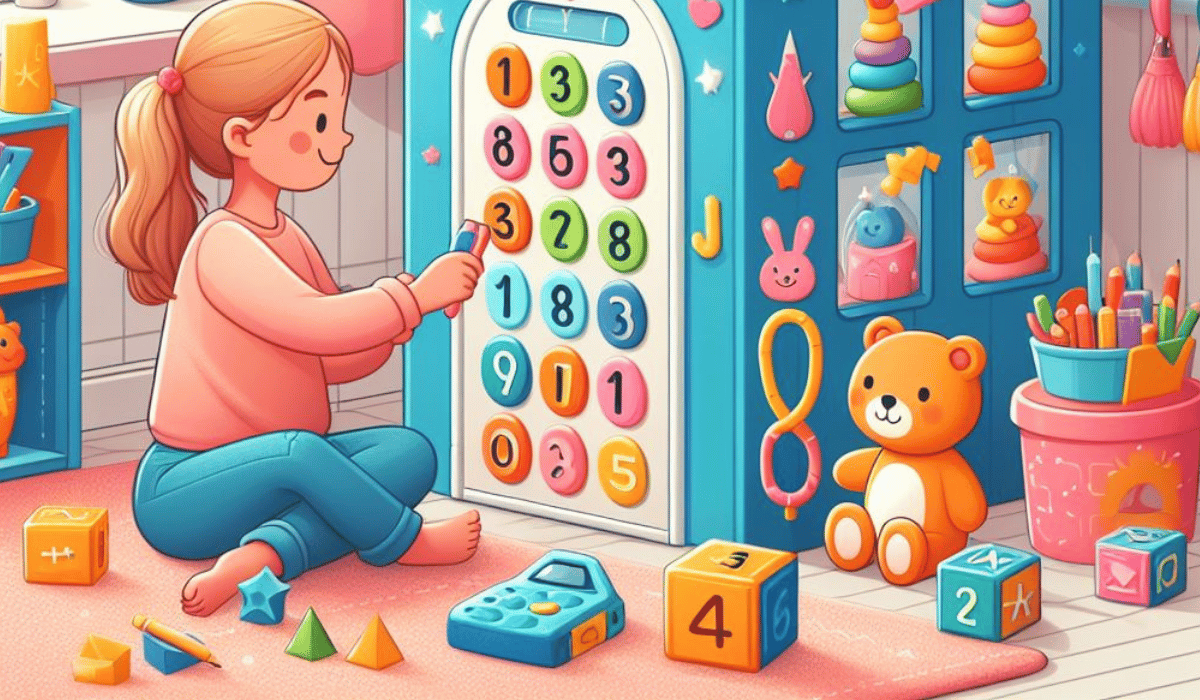
Early math skills are fundamental for a child's academic success and overall cognitive development. As parents, guardians, or educators, we play a crucial role in nurturing these skills in young learners. Fortunately, there are numerous fun and interactive activities that can be incorporated into daily routines to make learning math a delightful experience for children. By infusing creativity and playfulness into math lessons, we can ignite curiosity and build a strong foundation for future mathematical proficiency.
Here are five engaging activities designed to boost early math skills at home, fostering a love for numbers and problem-solving from a young age.
1. Counting Treasure Hunt: Hide objects around the house or yard and give your child a list of items to find. As they discover each item, encourage them to count how many they've found so far. This activity not only reinforces counting skills but also adds an element of excitement and adventure.
2. Shape Sorting Game: Gather a variety of household items or cutouts of shapes (e.g., circles, squares, triangles) and place them in a container. Have your child sort the objects based on their shapes. You can make it more challenging by introducing new shapes or mixing different sizes.
3. Math Story Time: Incorporate math into storytime by reading books that involve counting, addition, or basic math concepts. Pause throughout the story to ask your child questions related to the math content, such as "How many apples did the character have?" or "If two more friends join the group, how many will there be in total?"
4. DIY Math Manipulatives: Create homemade math manipulatives using everyday objects like buttons, beans, or cereal. Use these items to practice simple addition, subtraction, and sorting activities. For example, have your child group the buttons into sets and then count the total number of buttons.
5. Cooking Together: Turn cooking or baking into a math lesson by involving your child in measuring ingredients, counting utensils, or dividing portions. For instance, ask them to help measure out half a cup of flour or count how many cookies you're placing on a baking sheet. This hands-on approach to math helps reinforce practical skills while making delicious treats together.
Conclusion
These activities not only make learning math enjoyable but also provide opportunities for bonding and building foundational math skills in a relaxed and engaging environment. By incorporating these fun activities into your child's daily routine, you can instill a positive attitude towards math and empower them with essential skills that will benefit them throughout their academic journey and beyond. So, let's embark on this math adventure together, one exciting activity at a time!
Comments ()