
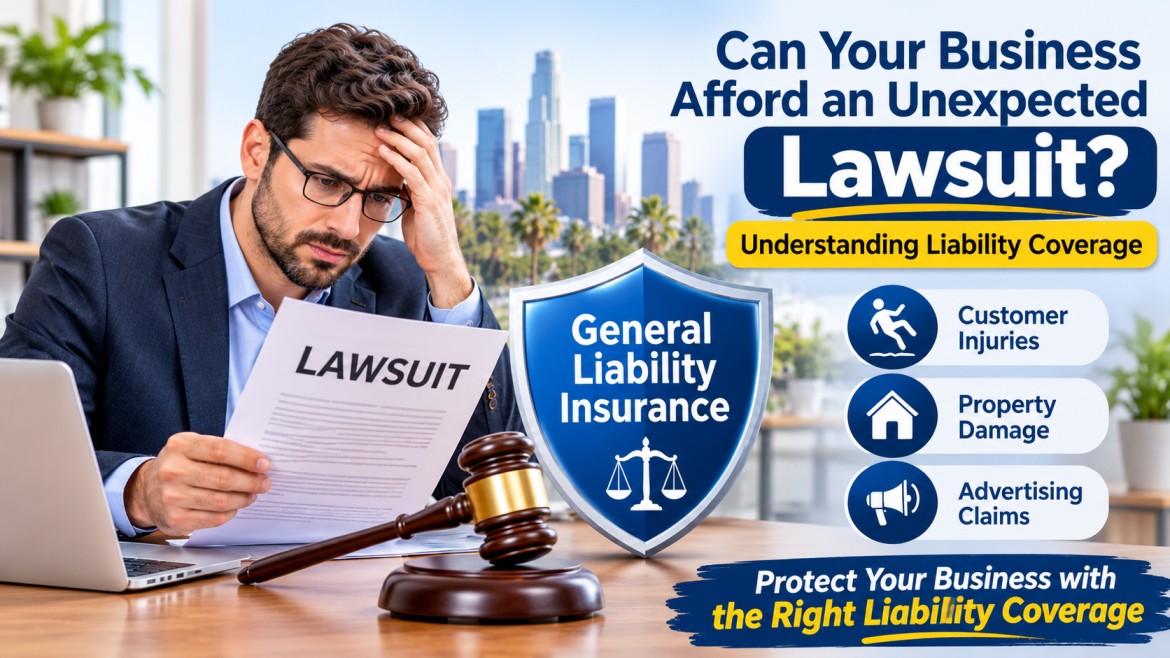
An unexpected lawsuit can put serious financial pressure on a business. A customer could slip and fall at your workplace, property could be damaged during a job, or your business could face a claim over advertising practices. Having the right liability protection can help businesses manage certain covered claims and related expenses. If you are looking for professional general liability insurance in Los Angeles, understanding what this coverage includes, what it excludes, and how it applies to your business can help you make a more informed insurance decision.
How Can One Lawsuit Affect Your Business Finances?
A legal claim can create expenses even when a business owner believes the company did nothing wrong. Depending on the situation, a business may need to respond to legal notices, work with an attorney, gather records, and handle a claim.
For a small business, these unexpected costs can affect daily operations. Money set aside for equipment, payroll, supplies, or business growth may have to be redirected toward legal expenses.
Consider a few common situations:
- Customer injuries: A visitor slips on a wet floor inside your business and claims your company is responsible.
- Property damage: An employee accidentally damages a customer's property while performing business activities.
- Advertising-related claims: Another party alleges that your business caused harm through certain advertising practices.
These situations can lead to third-party claims. Whether an insurance policy responds depends on its terms, conditions, exclusions, and the facts of the incident.
What Does General Liability Insurance Cover for Businesses?
General liability insurance is designed to help protect businesses against certain third-party claims involving bodily injury, property damage, and personal and advertising injury.
The exact protection depends on the policy. Common coverage areas include the following.
Bodily Injury Claims
Bodily injury coverage may apply when a third party is injured in connection with your business operations and alleges that your business is responsible.
For example, a customer visits your office, trips over an object, and suffers an injury. If the incident falls within the policy terms, general liability coverage may help with covered legal and claim expenses.
Property Damage Claims
Property damage coverage may help when your business is held responsible for accidental damage to someone else's property.
For example, a contractor accidentally damages a customer's property while working on a project. Whether the claim is covered depends on the circumstances and policy exclusions.
Personal and Advertising Injury
Some general liability policies include coverage for certain personal and advertising injury claims. These may involve allegations such as libel, slander, or specific types of advertising-related harm.
Not every disagreement or advertising complaint qualifies as a covered claim. The policy wording determines what protection applies.
Which Businesses Should Consider General Liability Coverage?
Many businesses interact with customers, clients, vendors, or members of the public. These interactions can create situations where third-party injury or property damage claims arise.
Businesses that may want to consider general liability coverage include:
- Retail stores and shops that welcome customers.
- Contractors and service providers who work at customer locations.
- Offices that regularly receive visitors.
- Small businesses that sell products or provide services.
- Commercial operators who interact with customers and other third parties.
The right policy depends on the business's activities, location, contracts, and potential risks. A business should review its actual operations rather than assume that every company needs identical coverage.
How Much Business Liability Protection Does Your Company Need?
There is no single liability limit that works for every business. The appropriate amount depends on several factors.
Your business activities: A company that regularly works at customer locations may face different liability exposures from a business that operates mainly online.
Customer and public interaction: Businesses that welcome customers or visitors should consider the possibility of third-party injury claims.
Contract requirements: Some customers, landlords, or business partners may require specific liability limits before allowing work to begin or an agreement to move forward.
Business assets and operations: Consider the financial impact a liability claim could have on your business and the resources available to respond.
Review these factors with an insurance professional before choosing coverage limits. The goal is to understand your potential exposure and select coverage that fits your operations.
What General Liability Insurance Does Not Usually Cover
Business owners should understand that general liability insurance is not designed to cover every business loss. Other policies may be needed for risks outside its scope.
For example:
- Employee injuries: Workers' compensation is generally the relevant coverage for work-related employee injuries.
- Damage to your own business property: Commercial property insurance may be appropriate for damage to buildings, equipment, inventory, and other covered business property.
- Commercial vehicle accidents: Commercial auto insurance is designed for covered risks involving business vehicles.
- Professional mistakes: Professional liability insurance may be relevant when a claim involves alleged errors or failures in professional services.
Coverage varies by policy, and exclusions apply. Review the terms carefully to understand where general liability protection ends and where other insurance may be needed.
How Can Business Owners Choose the Right Liability Coverage?
Choosing a policy should begin with a clear understanding of your business operations. Rather than selecting coverage based only on price, consider the risks your company faces and the protection required by your contracts.
Here are practical steps to follow.
- Describe your business activities. Explain what your company does, where work takes place, and how customers interact with your business.
- Identify possible third-party risks. Consider situations that could result in bodily injury, property damage, or personal and advertising injury claims.
- Review contract requirements. Check whether customers, landlords, or partners require specific liability limits or proof of insurance.
- Understand policy exclusions. Ask what situations are not covered and whether other policies may be necessary.
- Compare coverage details. Look beyond the premium and review limits, deductibles where applicable, conditions, and exclusions.
- Reassess your coverage regularly. Changes in employees, services, equipment, or business activities may affect your insurance needs.
Taking these steps can help business owners make more informed decisions about business liability insurance.
How Does General Liability Insurance Differ From Other Liability Coverage?
Not all liability policies protect against the same types of claims. Understanding the differences can help prevent gaps in your insurance plan.
For example, general liability insurance focuses on certain third-party injury, property damage, and personal and advertising injury claims. Commercial auto insurance addresses covered risks involving business vehicles. Professional liability insurance may address claims involving professional services.
Trucking businesses may also need to understand how different liability policies apply depending on whether a truck is being operated for business purposes or used outside those activities. knowing when each type of liability coverage applies can help readers understand the distinction between primary liability and non-trucking liability.
Each policy serves a different purpose. Having one type of insurance does not automatically mean every business risk is covered.
Finding Professional General Liability Insurance in Los Angeles
Business owners looking for professional general liability insurance in Los Angeles should consider coverage that reflects their company's operations, customer interactions, and potential liability exposures.
Universal 1st Insurance helps businesses explore commercial insurance options based on their individual operations. The agency specializes in commercial insurance, including commercial auto, truck, fleet, and transportation insurance. Its approach focuses on understanding how a business operates and helping identify coverage options suited to its needs.
Whether a business operates a single commercial vehicle, manages a fleet, or provides services across different locations, its insurance needs may change as operations grow. Reviewing coverage as the business evolves can help owners make informed decisions about their protection.
Frequently Asked Questions About General Liability Insurance
1. Is general liability insurance required for every business?
Not every business is subject to the same insurance requirements. However, customers, landlords, contracts, or other business agreements may require general liability coverage. Requirements depend on the industry and business arrangement.
2. Does general liability insurance cover customer injuries?
It may cover certain third-party bodily injury claims connected to business operations. Coverage depends on the circumstances, policy limits, conditions, and exclusions.
3. Does general liability insurance cover damage to customer property?
It may cover certain accidental property damage claims for which the business is legally responsible. The policy wording and circumstances determine whether a claim qualifies.
4. Is general liability insurance the same as business liability insurance?
The terms are sometimes used broadly, but they do not always mean the same thing. General liability insurance refers to a specific type of commercial coverage, while business liability insurance can describe different forms of liability protection.
5. Can a small business benefit from general liability insurance?
Yes. Small businesses may face third-party injury, property damage, or advertising-related claims. General liability coverage can help eligible businesses manage certain covered claims.
6. How often should a business review its liability insurance?
Business owners should review coverage when their operations change, such as adding services, expanding locations, hiring employees, or entering new contracts. Regular reviews can help identify whether existing coverage still fits the business.
Protect Your Business With Informed Insurance Decisions
An unexpected lawsuit can create financial and operational challenges for any business. General liability insurance can help address certain third-party claims, but it is important to understand the policy's limits, exclusions, and conditions.
Business owners should assess their risks, review contract requirements, and consider whether additional types of commercial insurance are needed. The right approach starts with understanding how the business operates and what protection may be appropriate.
If you are considering general liability insurance in Los Angeles, contact Universal 1st Insurance to discuss your business operations and explore suitable commercial insurance options. A conversation about your coverage needs can help you take a more informed approach to protecting your business.