
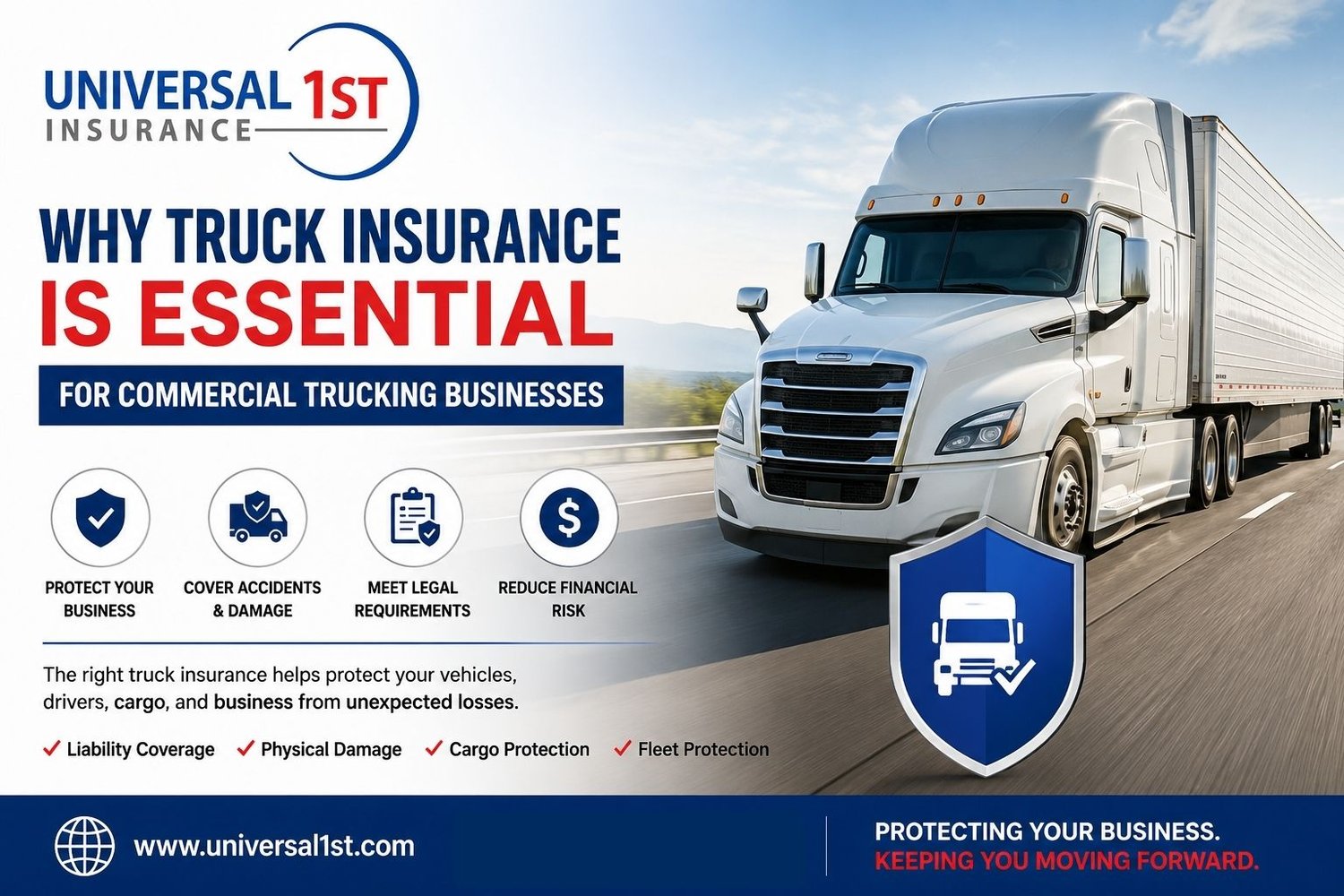
Running a commercial trucking business comes with risks that can affect your vehicles, drivers, customers, and finances. From highway accidents and vehicle damage to liability claims, unexpected events can create major costs for a trucking company. Having the right insurance can help manage these risks and protect the business from covered losses.
For businesses operating in Southern California, commercial truck insurance in San Diego can provide an important layer of protection for commercial vehicles and trucking operations. In this article, we will explain why truck insurance matters, what factors can affect coverage needs, and what trucking businesses should consider when reviewing their insurance.
Why Do Commercial Trucking Businesses Need Truck Insurance?
Commercial trucks are exposed to risks every day. A single accident can result in vehicle repairs, property damage, injuries, legal expenses, or other costs that can place significant pressure on a business.
Truck insurance is designed to help businesses manage these risks. Depending on the policy and the business's needs, coverage may address liability and physical damage risks associated with commercial vehicles.
Insurance is especially important for trucking businesses because their vehicles are often used for long distances, carry valuable equipment or cargo, and spend substantial time on public roads.
What Risks Can Truck Insurance Help Address?
Every trucking operation is different, but several risks are common across the industry.
Accidents and Liability Claims
A commercial truck accident can cause damage to another vehicle or property and may result in injuries. Liability coverage can help a business manage covered claims for which it is legally responsible.
Damage to Commercial Trucks
Trucks are valuable business assets. Damage caused by collisions or other covered events can create unexpected repair or replacement costs. Appropriate physical damage coverage can help address eligible losses involving the insured vehicle.
Business Interruption
When a truck is unavailable after an accident, a business may have difficulty completing scheduled work or deliveries. While insurance coverage varies by policy, protecting the vehicle can be an important part of managing operational risks.
Changing Business Risks
A trucking company's insurance needs can change as the business grows. Adding vehicles, drivers, routes, or new types of work may affect the business's overall risk profile.
Regularly reviewing coverage can help business owners determine whether their insurance continues to match their current operation.
What Should Businesses Consider When Choosing Commercial Truck Insurance?
There is no single insurance setup that works for every trucking company. Business owners should consider several factors before selecting coverage.
Type of Truck and Vehicle Use
The type of commercial vehicle and how it is used can affect insurance needs. A truck used for local deliveries may have different risks from one that regularly travels long distances.
Operating Area
Where a truck operates is another important consideration. Businesses operating across multiple states may face different requirements and risks than companies that primarily operate within one area.
Drivers
Driver experience, driving history, and who is permitted to operate the vehicle can all be important considerations when reviewing commercial truck insurance.
Cargo and Business Activities
The type of work performed and the goods being transported can affect the risks associated with a trucking operation. Business owners should make sure their insurance professional understands how the trucks are actually being used.
Existing Contracts and Requirements
Some customers, brokers, lenders, or other business partners may have specific insurance requirements. Reviewing these requirements before choosing coverage can help prevent problems later.
How Can Trucking Businesses Avoid Coverage Gaps?
Choosing a policy is only one part of managing insurance risk. Businesses should also review their coverage when their operations change.
For example, a company that adds several trucks or begins operating in new areas should not assume its existing coverage automatically reflects those changes.
Business owners should keep their insurance information current and discuss significant operational changes with their insurance professional. They should also understand the limits, exclusions, deductibles, and conditions that apply to their policies.
For businesses comparing reliable truck insurance in Los Angeles, reviewing coverage based on the actual operation is an important step toward making an informed decision.
Why Reviewing Truck Insurance Regularly Matters
A trucking business can change significantly over time. A company may add vehicles, hire new drivers, change routes, transport different types of cargo, or take on new customers.
These changes can affect the company's insurance needs.
A regular insurance review gives business owners an opportunity to discuss changes in their operations and determine whether their current coverage still fits.
It can also help identify questions about limits, deductibles, exclusions, and other policy details before a claim occurs.
What Causes Trucking Insurance Premiums to Increase?
Insurance premiums can change for many reasons. Claims history, driving records, vehicle characteristics, operating areas, business growth, and broader market conditions can all play a role.
Businesses should not assume that a higher premium automatically means they should reduce important coverage. Instead, they should first understand what is driving the increase and whether their current policy still reflects their needs.
Several factors can contribute to rising trucking insurance premiums, including claims history, driving records, vehicle types, operating areas, and changes in the overall insurance market.
How Can Trucking Businesses Make Better Insurance Decisions?
Business owners can take several practical steps when reviewing their truck insurance.
Keep Business Information Updated
Make sure your insurance professional has accurate information about vehicles, drivers, routes, cargo, and business activities.
Review Coverage Before Major Changes
If you are purchasing additional trucks, adding drivers, expanding operations, or changing the type of work you perform, discuss the change before putting the new operation into service.
Understand Your Policy
Ask questions about coverage limits, deductibles, exclusions, and other important policy terms. Understanding what a policy does and does not cover can help avoid surprises.
Compare Coverage Based on Business Needs
Price is important, but it should not be the only factor. A lower premium may not provide the protection a business actually needs.
The goal should be to find coverage that balances the company's risks, requirements, and budget.
How Universal 1st Insurance Helps Commercial Trucking Businesses
Universal 1st Insurance is a commercial insurance agency that serves businesses nationwide. The agency provides commercial insurance, commercial auto insurance, truck insurance, fleet insurance, and transportation insurance.
Its approach focuses on understanding how a business operates before recommending coverage. This can be especially important for trucking businesses because insurance needs can vary based on vehicles, drivers, operations, and transportation activities.
Whether a business operates a single commercial truck or a larger fleet, Universal 1st Insurance helps business owners understand their insurance options and identify coverage that fits their operations.
Frequently Asked Questions About Truck Insurance
Is truck insurance required for commercial trucking businesses?
Commercial trucking businesses may be subject to insurance requirements depending on their operations, vehicles, location, and applicable regulations. Businesses should review the requirements that apply to their specific operation and discuss their coverage needs with an insurance professional.
What does commercial truck insurance cover?
Coverage depends on the policy. Commercial truck insurance can include protection for liability and physical damage risks, among other coverages depending on the business and policy structure.
Is commercial truck insurance different from personal auto insurance?
Yes. Commercial trucks used for business purposes have different risks and insurance needs than personal vehicles. Commercial truck insurance is designed around the risks associated with business vehicle operations.
What can affect trucking insurance premiums?
Factors can include claims history, driver records, vehicle types, operating territory, business activities, and broader insurance market conditions. The specific factors considered can vary by insurer and policy.
Should I review my truck insurance when my business grows?
Yes. Adding trucks, drivers, routes, or new business activities can change your risk profile. Reviewing your insurance when major operational changes occur can help ensure your coverage continues to match your business.
How can a trucking business choose the right insurance?
Start by understanding your operation, including your vehicles, drivers, routes, cargo, and business activities. Then discuss your risks and coverage requirements with an insurance professional who can help you evaluate appropriate options.
Summary
Truck insurance is an important part of managing the risks associated with commercial trucking. Accidents, vehicle damage, liability claims, changing operations, and other unexpected events can create significant financial challenges for a business.
The right approach is to look beyond the price of a policy and consider how well the coverage fits the actual trucking operation. Reviewing insurance regularly and discussing major business changes with an insurance professional can help businesses make more informed coverage decisions.
For businesses looking for Commercial Truck Insurance in San Diego, understanding their risks and insurance needs is a good first step toward protecting their vehicles and operations.
Protect Your Trucking Business With the Right Coverage
Universal 1st Insurance helps businesses nationwide with commercial insurance, commercial auto insurance, truck insurance, fleet insurance, and transportation insurance. If you need help understanding your truck insurance options, contact Universal 1st Insurance to discuss coverage based on your business and operations.