
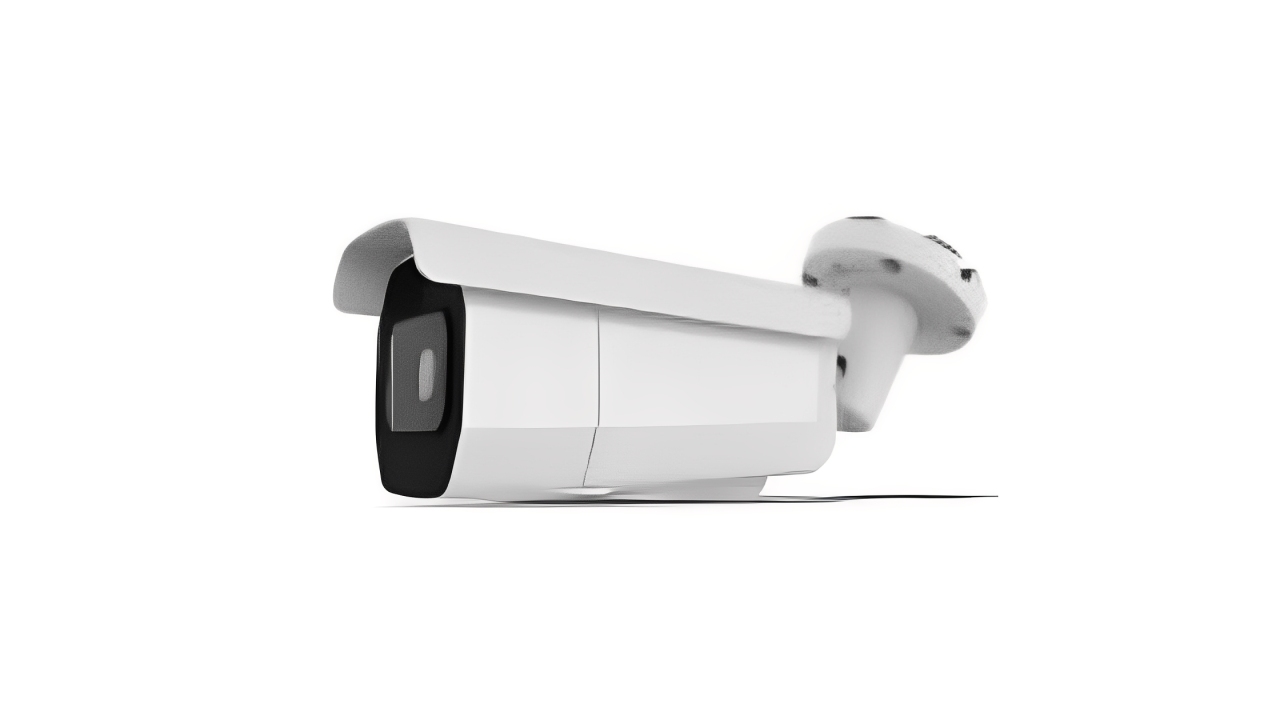
Overview
IP cameras play a crucial role in modern surveillance systems. When a camera malfunctions, repair can often be more cost-effective than replacement. The cost of IP Camera repair varies depending on multiple factors, including the type of camera, the severity of damage, and the complexity of the system. Understanding these factors can help property owners plan for maintenance and make informed decisions about their security systems.
Table of Contents
- Importance of IP Camera Maintenance
- Factors Affecting Repair Costs
- Typical Cost Ranges
- Repair vs Replacement Considerations
- Ways to Manage Repair Costs
- IP Camera Repair Support
Importance of IP Camera Maintenance
IP cameras, also known as security IP cameras, transmit video over networks and are often equipped with high-resolution sensors, night vision, and advanced features. Regular maintenance helps ensure these cameras function reliably. Timely repairs prevent small issues from becoming larger problems, maintaining the effectiveness of the surveillance system. Reliable cameras also support safety and monitoring needs consistently.
Factors Affecting Repair Costs
Several elements can influence the cost of repairing an IP camera.
- Type and Severity of Damage
- Minor issues such as loose cables or connection problems are usually less expensive to fix. Damage to internal components like circuit boards, sensors, or power modules requires specialized work and increases costs.
- Camera Model and Complexity
- Basic fixed-lens cameras are generally cheaper to repair than high-end PTZ (pan-tilt-zoom) cameras or models with advanced analytics. Features like motion tracking, high-definition video, and infrared sensors make repairs more complex and expensive.
- Installation Location
- Cameras installed in hard-to-reach locations, such as high poles, building corners, or outdoors, require additional labor, which can raise repair costs.
- Environmental Factors
- Cameras exposed to weather, dust, or extreme temperatures may experience corrosion or water damage. Repairs involving housing replacement or weatherproofing typically cost more.
- Internal Components
- Issues with sensors, circuit boards, or night vision LEDs are more technically demanding and therefore more costly.
- Network and Power Issues
- IP cameras rely on consistent power and network connections. Malfunctions in cabling, power supply, or network equipment can contribute to repair expenses.
- Availability of Replacement Parts
- Older or discontinued camera models may require hard-to-find parts, which can increase the cost of repairs.
- Labor Costs
- The experience and skill of the technician performing the repair affect pricing. Complex internal repairs or troubleshooting require more time and expertise, increasing labor charges.
Typical Cost Ranges
- Minor wiring or connector repairs often cost between $75 and $200.
- Repairs for internal components like circuit boards or sensors can range from $200 to $500.
- Weatherproofing or housing replacement typically costs $50 to $150.
- High-end cameras with advanced features may incur costs closer to $500 or more for certain repairs.
These ranges illustrate that the cost can be modest for simple fixes but increases significantly with more complex issues.
Repair vs Replacement Considerations
Sometimes repairing a camera may not be the most cost-effective solution. If the repair cost exceeds half the price of a new camera, replacement might be more practical. Additionally, older cameras may lack updated features or compatible parts. Replacement may also improve overall system performance and reliability. Repair, however, preserves the camera’s field of view and placement, which can be important for maintaining consistent surveillance coverage.
Ways to Manage Repair Costs
There are several strategies to minimize repair expenses:
- Perform regular maintenance to prevent small issues from escalating.
- Use quality cables, connectors, and power supplies to reduce wear and damage.
- Maintain a service contract or warranty to cover part of the repair costs.
- Consider having spare cameras or components on hand for quick replacement.
- Work with trained technicians to avoid unnecessary part replacements or repeated repairs.
Proactive maintenance and early detection of issues often reduce the overall cost of keeping the system functional.
IP Camera Repair Support
For property owners seeking reliable support for security camera repair, professional service providers can help with diagnostics, repair, and maintenance. Companies like Voltex Security provide repair and service options for various types of security cameras. Their expertise allows property owners to maintain operational cameras and address issues efficiently.
Concluding words
The cost of security camera repair is influenced by damage type, camera complexity, installation location, environmental exposure, component availability, and labor requirements. While repair can be more economical than replacement, it is important to evaluate the condition and age of the camera. Regular maintenance and timely attention to issues help reduce repair costs and keep security IP cameras functioning effectively.
Working with experienced service providers like Voltex Security ensures that repairs are handled properly and efficiently. So, contact them today to discuss your security camera repair needs and get a reasonable quote.