
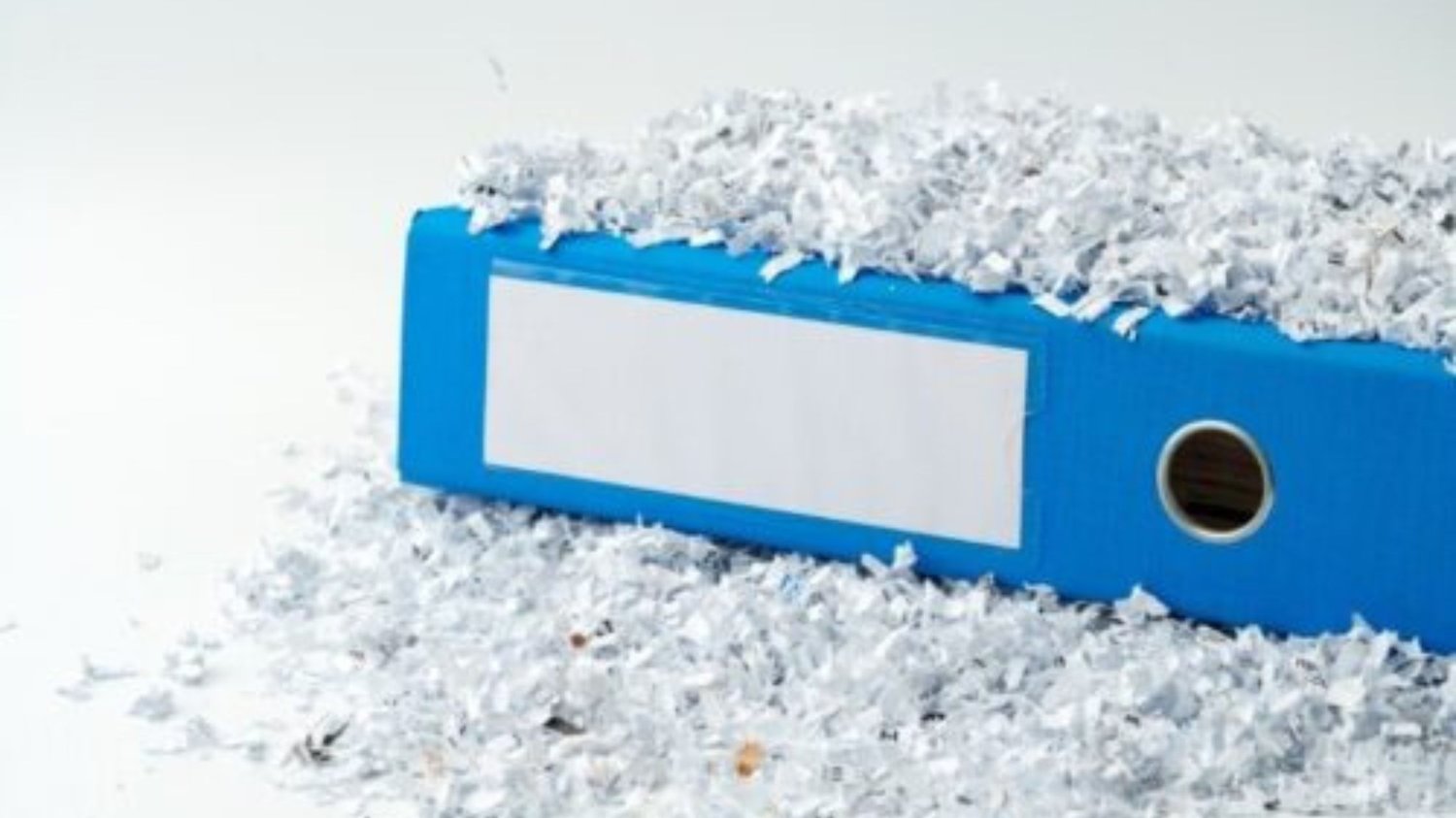
Shredding sounds simple. Feed paper into a machine. Watch it turn into strips. Toss it away. Done.
But any business owner in Los Angeles knows it is not that simple. Files carry names, social security numbers, health records, contracts, tax data, and trade details. One loose document can undo years of trust. So the real question is not just how to shred, but what makes shredding truly safe.
In busy offices across the city, paper shredding in Los Angeles is no longer a side task handled at the end of the day. It has become part of a larger strategy tied to compliance, risk control, and brand protection. That shift did not happen by accident. It happened because the stakes are higher than ever.
Let us break down what actually makes shredding safe, not just convenient.
Safety Starts With Process, Not Machines
Many offices still rely on small shredders tucked under desks. They hum along. They jam. They overheat. They get ignored.
A machine alone does not create security. A process does.
Ask yourself a few honest questions. Who decides what gets shredded? Where do documents sit before destruction? Who has access to them? Is there proof once the job is done?
Safe shredding begins with a structured system. Locked collection containers replace open bins. Clear schedules replace random cleanouts. Trained professionals handle documents from pickup to final destruction. Each step is documented.
Without process, even the best machine leaves gaps.
Chain of Custody Matters More Than You Think
If you hand over confidential records, you should know where they go next. That is called chain of custody. It tracks documents from the moment they leave your hands until they are destroyed.
Why does that matter? Because risk does not disappear once files leave your office. It shifts.
A safe shredding program tracks movement carefully. Containers are sealed. Trucks are secure. Facilities are monitored. Staff are trained and screened. There is accountability at every stage.
One operations manager once said, "Security is not about shredding paper. It is about controlling every step before and after it." That perspective changes how businesses think about document destruction.
Compliance Is Not Optional in Los Angeles
Los Angeles businesses operate under strict state and federal privacy laws. Healthcare providers, legal firms, financial institutions, and many others handle regulated data daily.
Improper disposal can trigger fines and lawsuits. It can also damage reputation. Clients expect protection.
Safe shredding aligns with legal requirements. It produces certificates of destruction. It supports audit readiness. It shows regulators and clients that records were handled responsibly.
When shredding becomes part of a compliance plan, it shifts from a task to a safeguard.
What Safe Shredding Programs Include
Core Elements of a Secure System
- Locked document collection containers placed in controlled areas
- Scheduled pickups performed by trained professionals
- Secure transport vehicles with restricted access
- Monitored destruction facilities
- Certificates of destruction for documentation
- Retention policy guidance to avoid premature or delayed disposal
Each piece plays a role. Remove one, and risk increases.
Human Behavior Plays a Big Role
Security plans often fail because of habits. Papers left on desks. Boxes stacked in hallways. Staff unsure what to shred and what to store.
A strong shredding partner helps build better habits. Clear policies are communicated. Staff know where to deposit documents. Regular schedules remove guesswork.
There is a subtle benefit here. Once employees see a system working smoothly, they respect it. They participate. They stop seeing shredding as a chore and start seeing it as protection.
Sometimes the safest upgrade is simply replacing confusion with clarity.
On Site Versus Off Site Destruction
Many business owners ask which option is safer. The answer depends on structure.
With on site destruction, documents are shredded at your location. You can witness the process. That brings immediate assurance.
With off site destruction, materials are transported to a secure facility and destroyed under strict controls. Surveillance systems, restricted access, and industrial equipment often make facility destruction highly efficient and secure.
Reliable secure shredding services in Los Angeles offer both options, backed by documented procedures and trained teams. The focus remains the same. Control. Transparency. Accountability.
The method may vary. The standard should not.
Why Volume Changes the Risk Equation
As companies grow, document volume increases. More clients. More transactions. More records.
Small shredders that once seemed adequate begin to fall short. Files pile up. Destruction gets delayed. Exposure expands quietly.
Growth requires systems that scale. Professional shredding programs handle bulk destruction without slowing operations. They integrate into daily workflows rather than interrupt them.
Think of it like upgrading from a household appliance to commercial equipment. The goal is not just speed. It is reliability.
Data Is Not Just Paper Anymore
Safety does not stop at paper files. Hard drives, backup tapes, and electronic media store sensitive data long after devices stop working.
Deleting files does not erase them permanently. Physical destruction ensures information cannot be recovered.
A complete shredding strategy addresses both physical documents and electronic storage. It treats information as an asset that must be protected through its entire lifecycle.
The Personal Side of Security
It is easy to talk about policy and process. But at its core, safe shredding protects people.
It protects employees whose personal data sits in HR files. It protects patients whose records require privacy. It protects clients who trust you with financial details.
That human element makes security real.
One business owner shared, "I sleep better knowing our records are handled professionally." That peace of mind has value. It cannot be measured in pages shredded.
Final Remarks
Williams Data Management has built its reputation on structured processes and dependable service. They combine secure storage, certified destruction, and document management expertise developed over decades. Their team works closely with organizations across Southern California to reduce risk and strengthen compliance. Through consistent standards and professional oversight, they help businesses treat information security not as an afterthought, but as a core responsibility.