
An honest look at what AI can and can't do for the everyday working professional
I want to give you an honest account of this, because most content about AI at work falls into one of two camps: either it's breathless enthusiasm ("this tool will change everything!") or complete dismissal ("it's just autocomplete, it's overhyped"). Neither of those is very useful if you're just trying to figure out whether AI can actually help you get through your inbox faster.
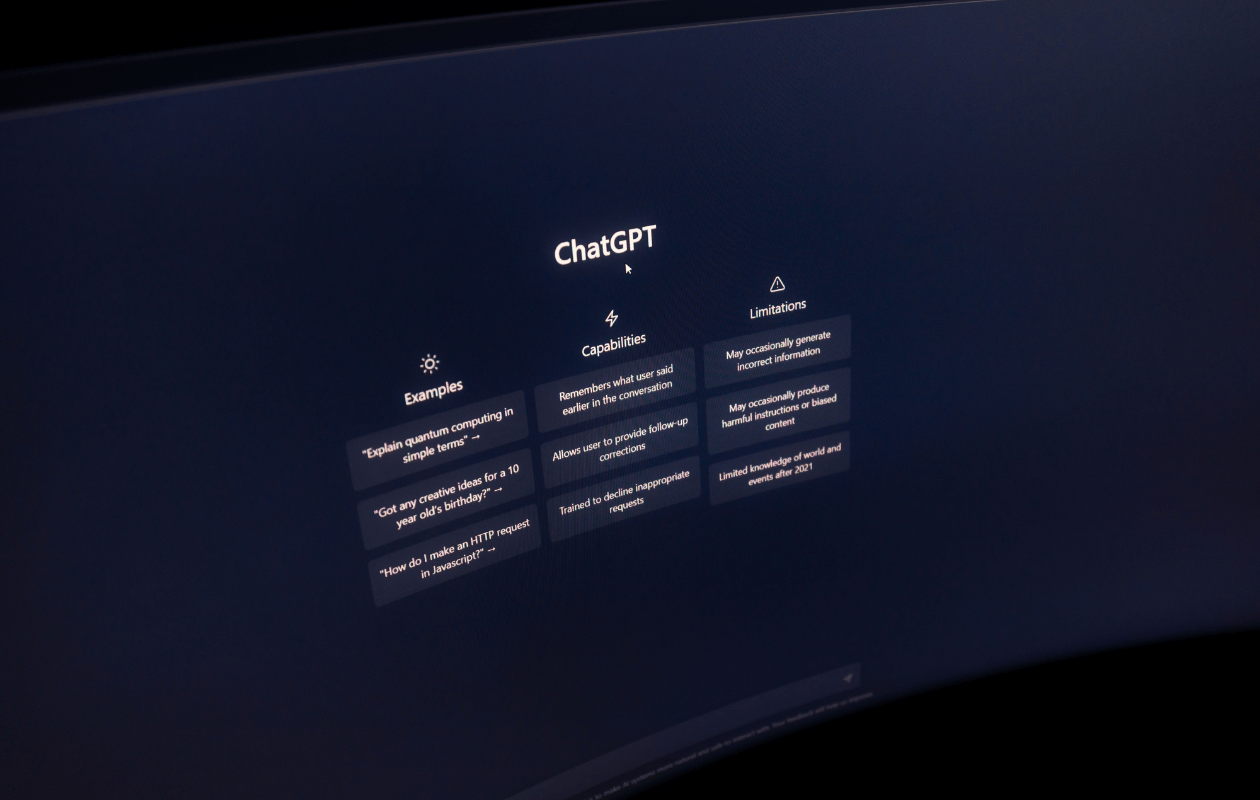
So here's what I found when I committed to using ChatGPT deliberately across a full working week, for real tasks.
Monday: HR documentation
I had to write a job description for a role we were hiring for. Normally this takes me about an hour, mostly because I stare at a blank document for forty minutes and then write something mediocre.
I gave ChatGPT the role title, the team size, the main responsibilities, and a few sentences about our company culture. I told it to write in a professional but human tone, under 450 words, with bullet points for requirements. What I got back was a solid first draft in about thirty seconds. I edited it for about ten minutes and sent it off.
Total time: twelve minutes instead of sixty.
Tuesday: Summarising a long email thread
We had a project with a 47-message email chain that I needed to catch up on before a meeting. I pasted the thread into ChatGPT and asked it to give me a three-sentence summary, a list of decisions that had been made, and a list of anything still open.
It did this accurately. I walked into the meeting fully caught up, having spent about four minutes on it instead of twenty.
Wednesday: Writing something I was dreading
I needed to write a performance improvement communication for a team member. This is the kind of writing that is emotionally heavy and professionally high-stakes. I didn't use ChatGPT to write the final version, because that needed to come from me. But I used it to draft a structure, and having a scaffold to react to was genuinely easier than starting from nothing. The final document was mine. The thirty minutes I saved staring at a blank page was AI's.
Thursday: Research summary
I needed to brief myself on a competitor before a client call. I asked ChatGPT to give me a summary of what a company in this space would typically position around, what objections I might face, and what questions I should be prepared to answer. It gave me a useful starting framework that I then built out with actual current research.
What it couldn't do: give me accurate, current information. I had to verify everything. But having the framework laid out was a meaningful time saver.
Friday: Status report
On Friday afternoon I paste my week's bullet points into a prompt and ask for a stakeholder update. I've been doing this for months. This is maybe the single most consistent time saver I've found. The report goes out looking polished. I spend about five minutes reviewing it. What used to take me forty-five minutes now takes about seven.
What I've actually concluded
ChatGPT is genuinely useful for: first drafts of anything, summarising long documents or threads, structuring your thinking when you're stuck, and turning bullet points into polished prose. It's not useful for: creative thinking you haven't already done, accurate current facts, judgment calls, or anything that needs the specific context only you have.
The people who get the most out of it treat it like a talented assistant with a limited brief. The more specific you are about what you want, the better the output. Vague prompts get vague results.
If you want a practical library of prompts that actually work for HR, marketing, and operations tasks, the AI-Enhanced Professional has 102 of them, organised by role and use case. No technical setup. No jargon. Just copy and go.
WorkWell Studio publishes practical guides for working professionals. Browse the full collection here.